

15 years of the EU Strategy for the Danube Region: implications for Ukraine and the Ukrainian Danube area
 Danube
31.01.2026
Danube
31.01.2026

Fifteen years ago, the European Union and the countries of the Danube basin set a clear course: to address shared, cross-border challenges through structured cooperation and to unlock the region’s full potential. Adopted by the European Commission in 2010 and formally launched in 2011, the EU Strategy for the Danube Region (EUSDR) has evolved into a long-term framework for connectivity, resilience and future-oriented development across the Danube macro-region.
Scope and format. EUSDR brings together 14 countries—EU Member States as well as candidate and partner countries, including Ukraine and Moldova—across a shared space stretching from the upper Danube to the river’s delta and the Black Sea. The territory covered is home to over 110 million people. The Strategy’s governance is organised around four pillars and a set of priority areas, enabling coordination where fragmented national or sectoral actions would be insufficient.
IDR comment: why the EUSDR anniversary matters for Ukraine?
For Ukraine, EUSDR is not a parallel discussion platform but a practical coordination mechanism—particularly relevant under conditions of war-related disruption, accelerated European integration, and the need for resilient recovery. Its added value lies in aligning reforms, investments and project pipelines with a macro-regional logic in areas where the cost of fragmentation is especially high: transport corridors, environmental and water security, risk management, and human-capital development in border regions.
The Ukrainian Danube area as a strategic “interface” zone
The Ukrainian Danube area (Odesa region; Danube communities; river and sea ports) is a location where EUSDR can deliver tangible outcomes, for three systemic reasons:
-
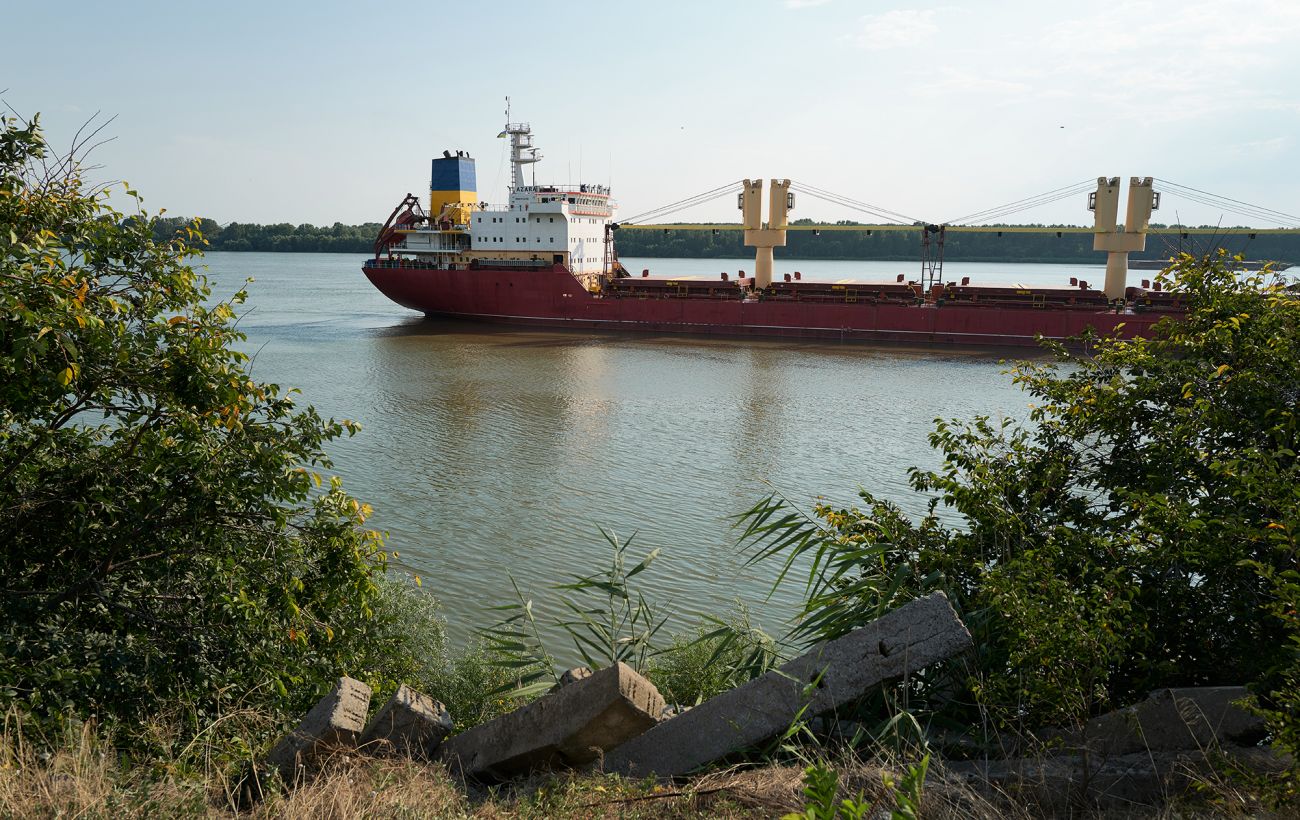
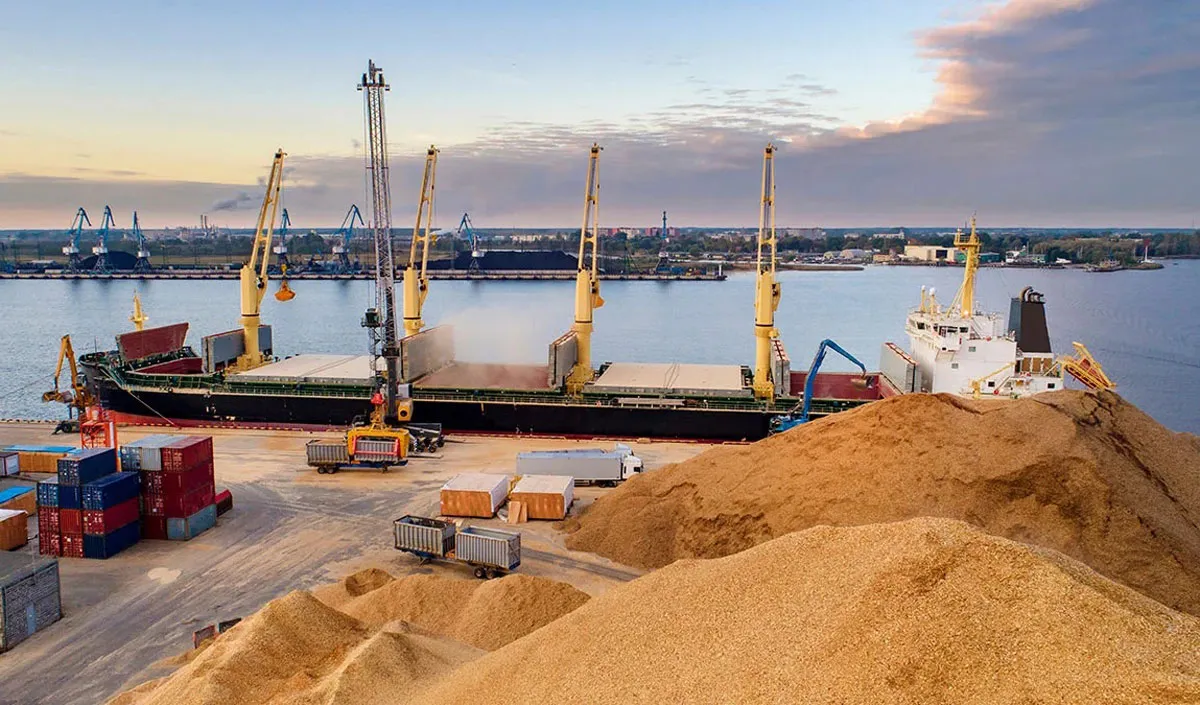
Logistics and corridor competitiveness (Danube–Black Sea). Port modernisation, border-crossing capacity and digital procedures deliver maximum effect only if synchronised with neighbouring countries—standards, interoperability, navigational safety, and institutional routines.
-
Environmental and water resilience in delta and coastal ecosystems. The lower Danube requires coordinated solutions for climate adaptation, water management, biodiversity protection and pollution reduction—issues that do not follow national borders and cannot be solved through isolated interventions.
-
Socio-economic cohesion and recovery. Border communities need investment in resilient public services, jobs, SMEs, vocational skills and innovation. A macro-regional framework strengthens the “policy weight” of these needs and improves their compatibility with EU partners’ programming approaches.
A practical 2026 agenda for Ukraine within EUSDR
(1) Build a coherent “Ukrainian Danube portfolio” aligned with EUSDR priorities—linking infrastructure, environment and human capital into an integrated results logic, rather than fragmented project submissions.
(2) Strengthen institutional capacity for participation and coordination (expert teams, stakeholder networks, evidence-based communication), ensuring continuity beyond single events or political cycles.
(3) Connect recovery priorities with cross-border and investment instruments so that projects do not “fall between” different funds, rules and programming calendars, and to ensure systemic, cross-border impact.
Сonclusion by Director IDR Vitaliy BARVINENKO:
"The 15th anniversary of EUSDR signals the institutional maturity of the EU’s macro-regional approach. For Ukraine, it is an opportunity to convert participation into measurable outcomes for the Ukrainian Danube area: a safer and more efficient transport-logistics corridor, stronger environmental and water governance, and long-term socio-economic cohesion of border communities within the trajectory of European integration".

 Bulgaria
 Hungary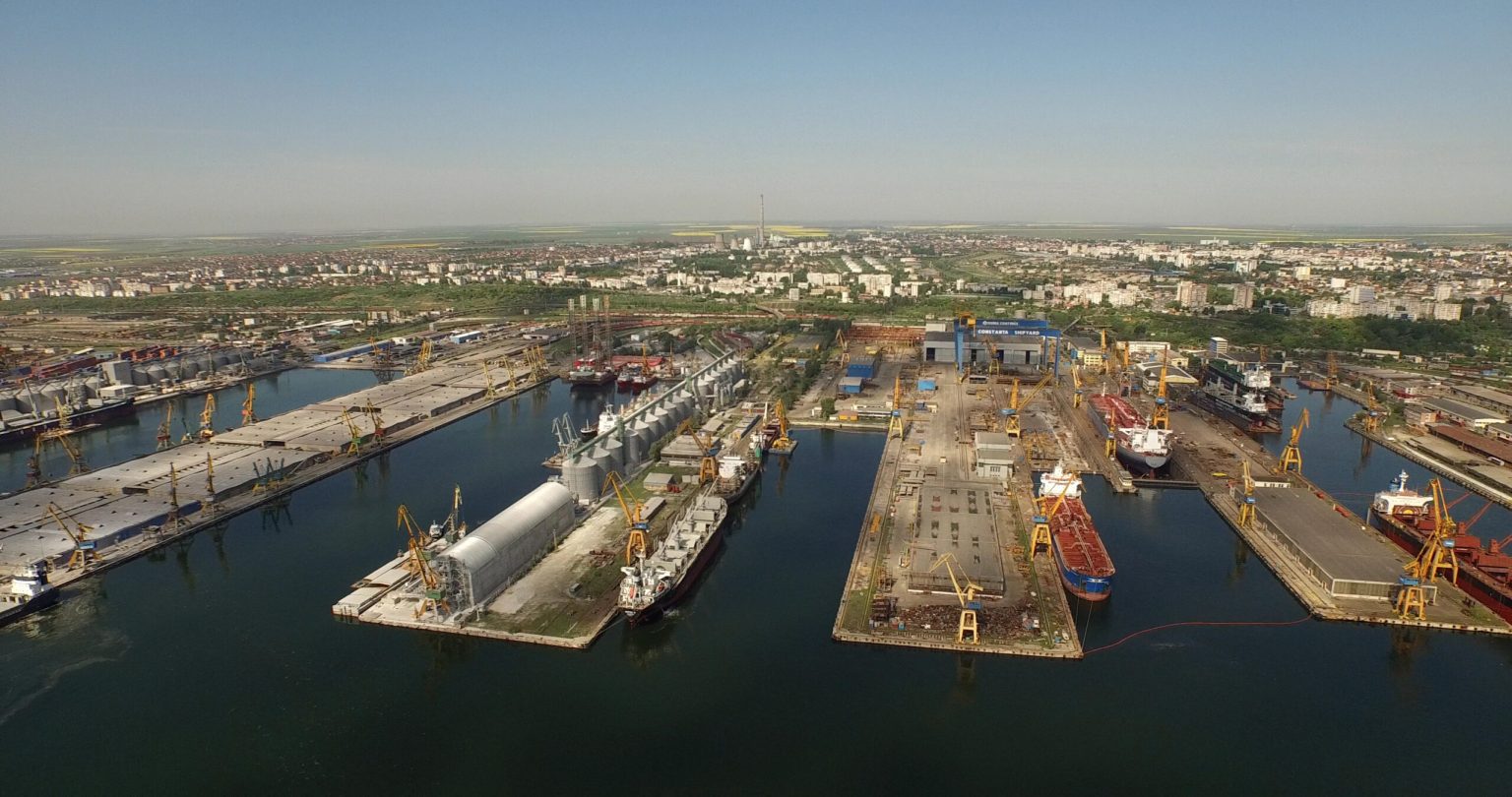
 Romania
 Ukraine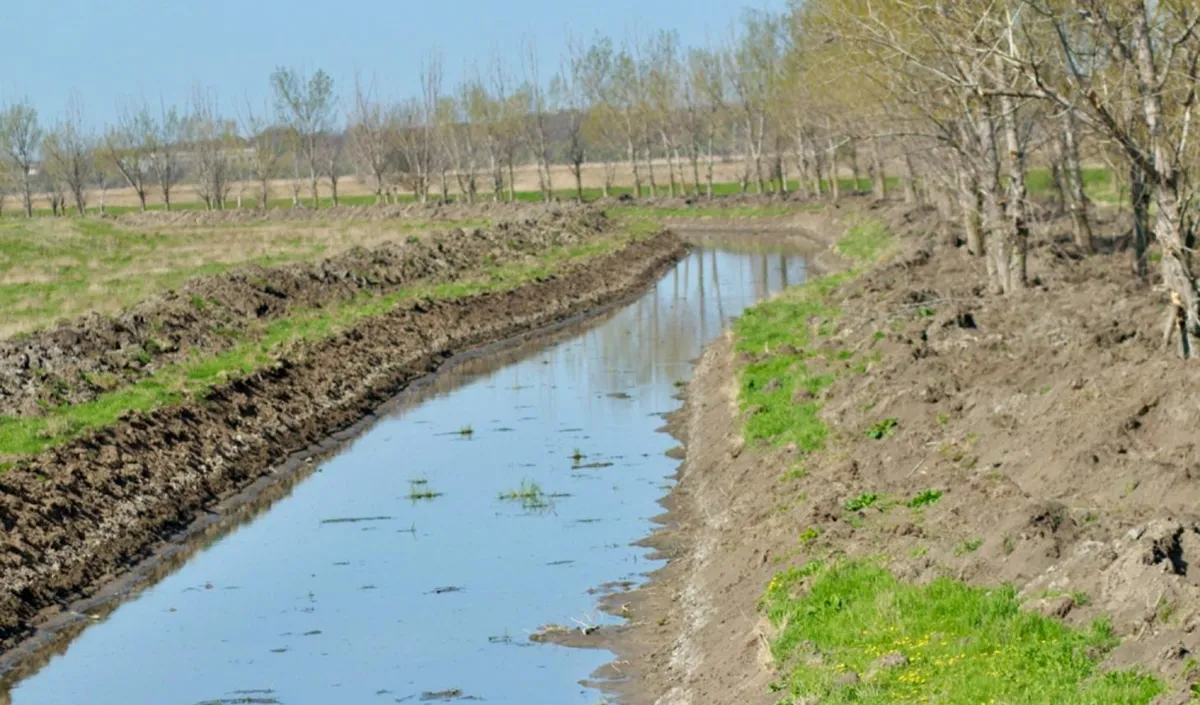
 Moldova
 Serbia