

Ukraine and Romania Bring the Orlivka–Isaccea Bridge Back onto the Agenda: An Infrastructure Project of Regional and European Importance
 Ukraine
24.04.2026
Ukraine
24.04.2026
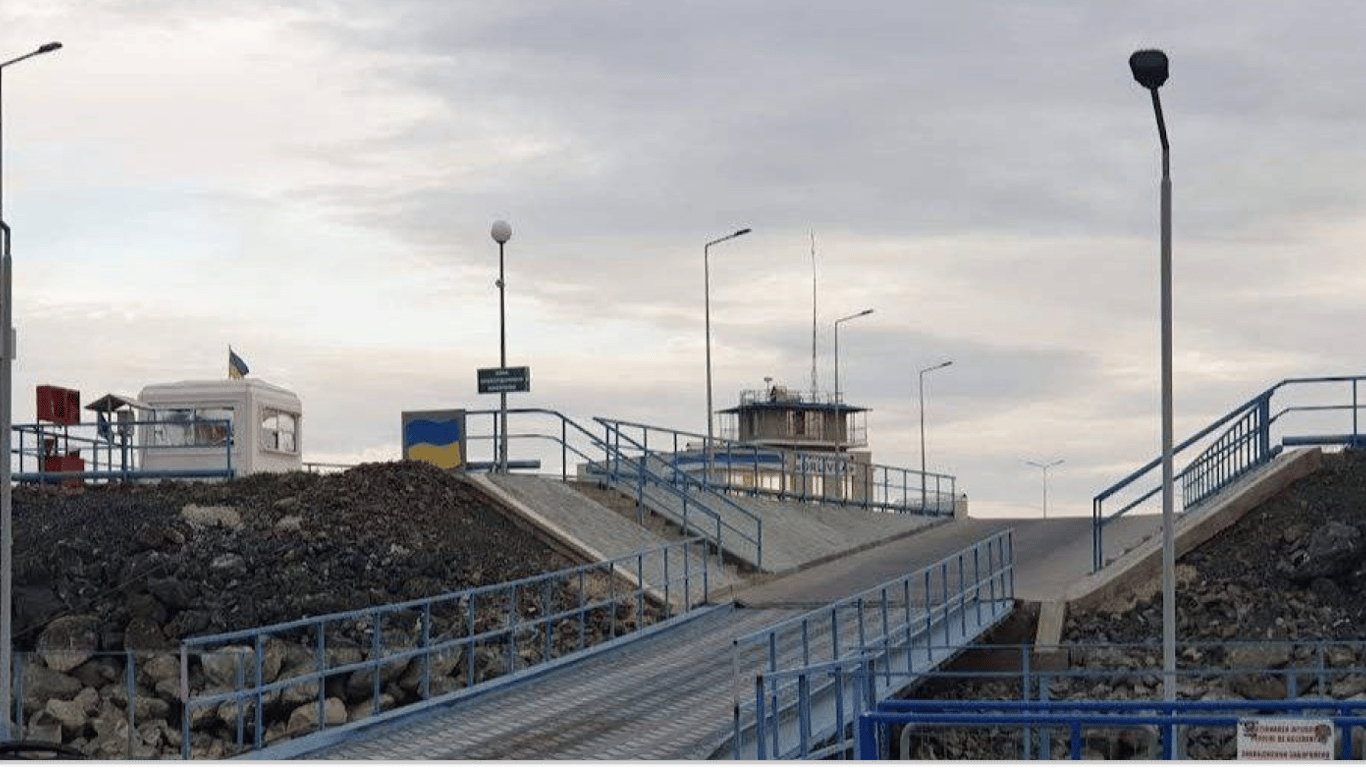
Ukraine and Romania have discussed the prospects for constructing a bridge across the Danube between Orlivka in Odesa Oblast and Isaccea in Tulcea County.
This is not merely about a potential new border crossing point, but about a possible element of a transport corridor capable of strengthening the connectivity of the Ukrainian Danube region with Romania, the Balkans, and the broader space of the European Union.
The Bridge as Part of a Broader Ukrainian-Romanian Transport Policy
As previously reported by the Institute of Danube Research on the Danube.eu platform, the issue of the Orlivka–Isaccea bridge was raised following Ukrainian-Romanian negotiations held on 12 March 2026. The Ukrainian side considered this project in the context of expanding border infrastructure, developing transport corridors, and increasing the capacity of the border between Ukraine and Romania.
It is important to emphasize that, at this stage, the matter is not about an already approved start of construction, but about officially bringing the initiative to the interstate level. The next steps should include a feasibility study, intergovernmental coordination, environmental procedures, determination of a financing model, and synchronization of access infrastructure on both sides of the Danube. This clarification is essential for an accurate public understanding of the project.
From Ferry Crossing to Sustainable Transport Connectivity
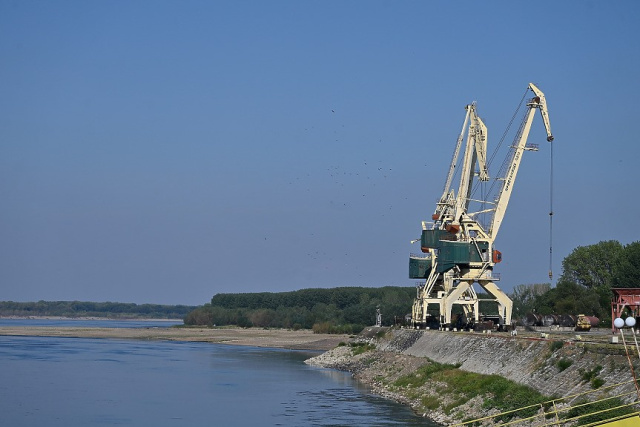
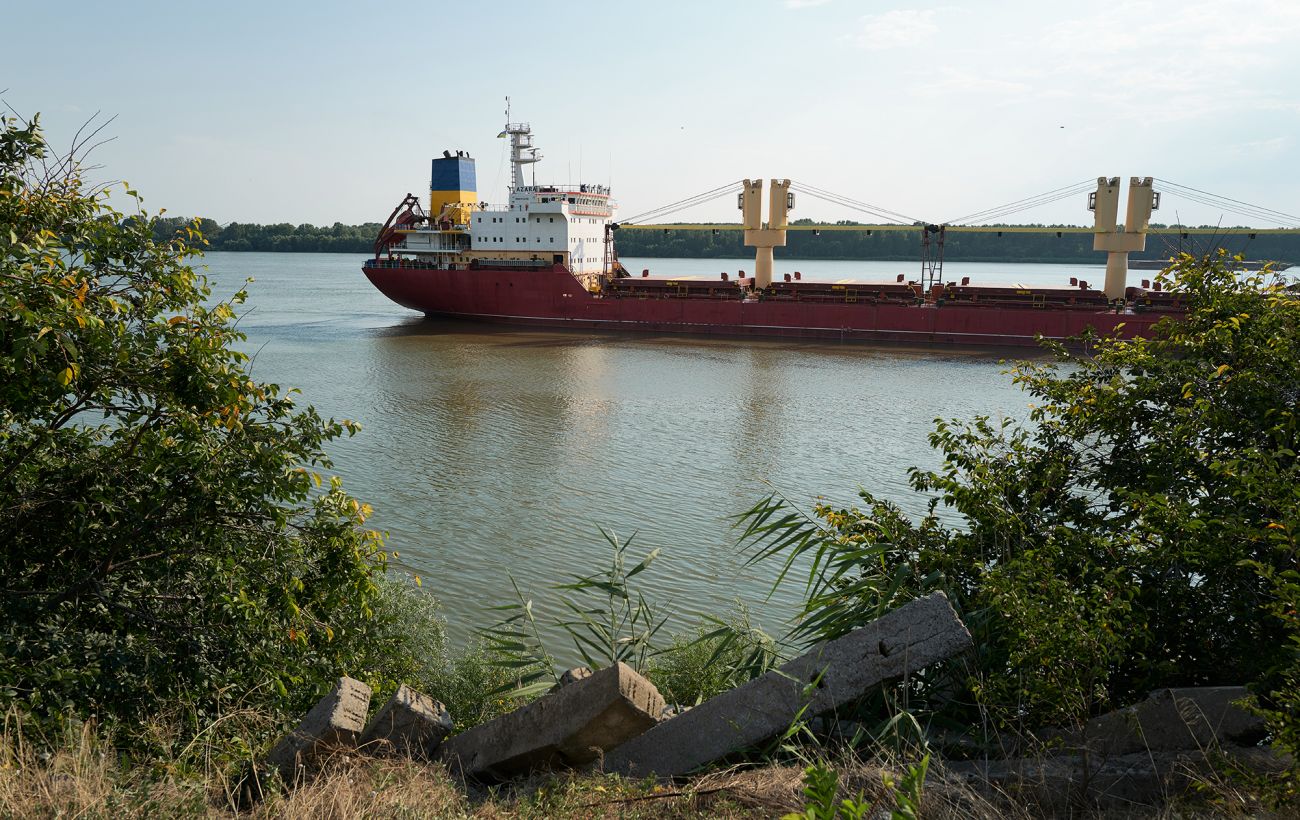
At present, the Orlivka–Isaccea ferry crossing plays a key role on this route. Since the beginning of Russia’s full-scale war against Ukraine, it has become one of the important routes connecting southern Odesa Oblast with Romania. At the same time, the ferry model has objective limitations: dependence on weather conditions, the navigation regime, the security situation, the capacity of quay infrastructure, and operational stability.
The construction of a bridge could potentially change the logic of this route. Instead of a point-based ferry service, a permanent transport hub could be formed, integrated into road, customs, border, service, and logistics infrastructure. For the Ukrainian Danube region, this would mean not only more convenient communication with Romania, but also broader opportunities for freight transport, tourism flows, small and medium-sized businesses, cross-border cooperation, and citizen mobility.
Importance for Odesa Oblast and Danube Communities
For Odesa Oblast, the Orlivka–Isaccea bridge is undoubtedly of particular importance, as it could strengthen the role of the region’s southern transport belt. The potential impact of the project would concern both Izmail District and the Danube communities, including Kiliia, Izmail, Reni, Vylkove, and adjacent territories.
In strategic terms, such a bridge could create an additional gateway to European markets, reduce the logistical peripherality of southern Odesa Oblast, and strengthen the competitive position of Ukrainian Danube ports. It is especially important that this project may complement, rather than replace, existing port and road infrastructure. Its main function is to form a more resilient, diversified, and predictable connectivity system.
Security Dimension: Reserving Routes to the EU
In wartime conditions, transport infrastructure performs not only an economic but also a security function. The Ukrainian Danube region has become one of the key logistics areas through which exports, imports, humanitarian shipments, cross-border mobility, and connections with EU countries have been ensured.
Therefore, a new bridge across the Danube should be viewed as an element of route redundancy. Given wartime risks, the overloading of certain border crossing points, and the need to rapidly redirect flows, any additional stable border crossing acquires strategic significance. In this sense, Orlivka–Isaccea could become not only an infrastructure project, but also a security project.
European Context: Ukraine’s Transport Integration
The Orlivka–Isaccea bridge project logically fits into the broader policy of Ukraine’s integration into the European transport space. The development of new border crossing points, joint border control, road and rail routes is part of Ukraine’s gradual approximation to the EU transport system.
For Romania, this project is also significant, as it strengthens the role of Tulcea County and the Lower Danube direction in regional logistics. For the European Union, it represents an additional opportunity to reinforce transport connectivity with Ukraine as a candidate country and an important partner in the Black Sea-Danube region.
Vitaliy Barvinenko, Director of the Institute of Danube Research, Doctor of Law, Professor:
“The Orlivka–Isaccea bridge project should not be viewed as a local engineering idea, but as a strategic infrastructure instrument for the entire Ukrainian Danube region. Its significance lies in the fact that it may change the spatial logic of the region: from a border periphery to an active node of European transport interaction.
For Odesa Oblast, this bridge potentially means shorter logistics distances, an increased role for Danube communities, and new opportunities for ports, businesses, tourism, and cross-border cooperation. But even more importantly, it is a matter of resilience. In wartime, every additional stable route to the European Union is an element of the state’s economic security.
At the same time, it is necessary to avoid an oversimplified approach in which the very fact of constructing a bridge is automatically regarded as a solution to all problems. The bridge will produce a real effect only when it is synchronized with roads, the border crossing point, customs infrastructure, environmental procedures, service logistics, and European financing mechanisms. Therefore, it is already important to develop a joint Ukrainian-Romanian roadmap for the implementation of this project.
For the Institute of Danube Research, it is clear that Orlivka–Isaccea could become one of the symbols of a new development policy for the Lower Danube, where infrastructure works simultaneously for the economy, security, European integration, and the development of communities.”
The return of the Orlivka–Isaccea bridge to the agenda of Ukrainian-Romanian negotiations is an important signal for the entire Lower Danube region. The project is still at the stage of political and technical consideration, but its potential significance goes far beyond a single border crossing.
If implemented, the bridge could become a new transport corridor to the EU, strengthen the logistics resilience of southern Ukraine, increase the role of Danube communities, and create an additional foundation for economic cooperation between Ukraine and Romania. For the Ukrainian Danube region, it may become one of the key infrastructure projects of the next stage of European integration.

 Bulgaria
 Hungary
 Romania

 Moldova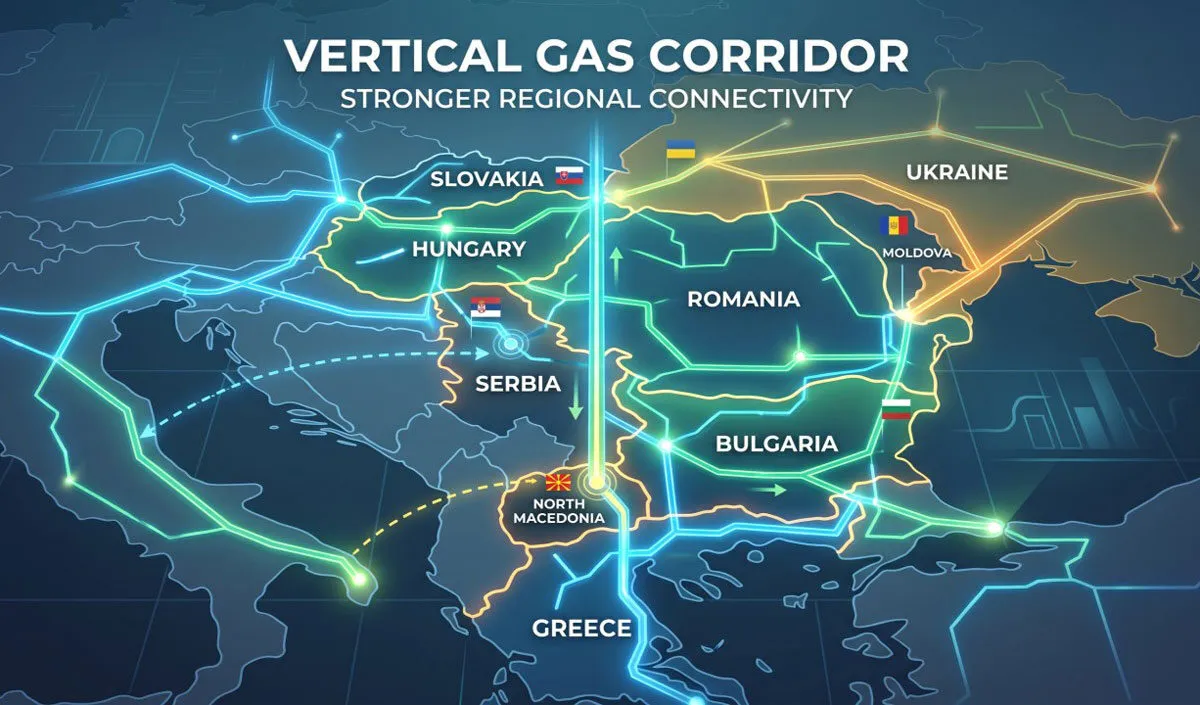
 Serbia

 Danube