

The Cost of the “Black Sea Hormuz”: Port Blockade Adds €50–90 per Tonne to Agricultural Export Logistics
 Ukraine
08.09.2026
Ukraine
08.09.2026
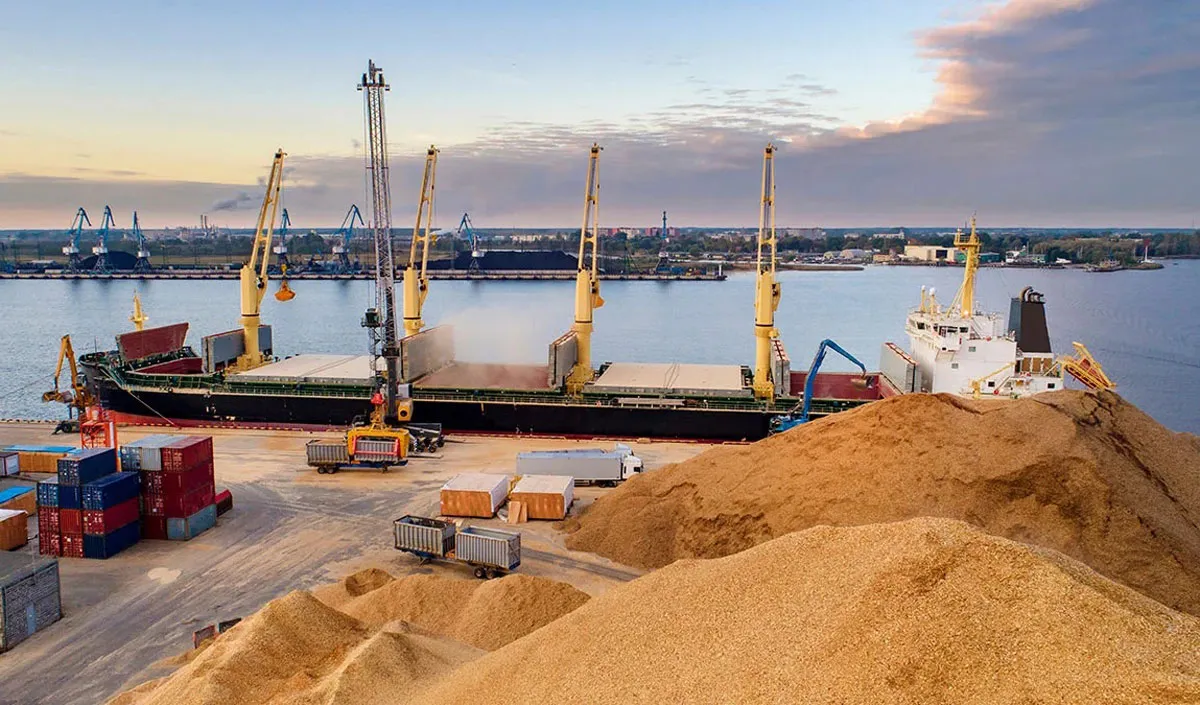
The disruption of full-scale operations at Ukraine’s Black Sea ports is becoming not only a logistical problem but also a systemic source of pressure on the agricultural sector. According to estimates by the Ukrainian Agribusiness Club, rerouting exports via the Danube, rail corridors and EU ports adds €50–90 to the transportation cost of every tonne of agricultural products.
These additional expenses cannot be fully passed on to foreign buyers, since Ukrainian grain competes with supplies from the United States, South America, Australia and the European Union. As a result, a significant share of the additional logistics costs is effectively deducted from the purchase price received by Ukrainian producers.
Alternative routes allow exports to continue, but they cannot fully replace Black Sea ports in terms of capacity, speed and transportation costs.
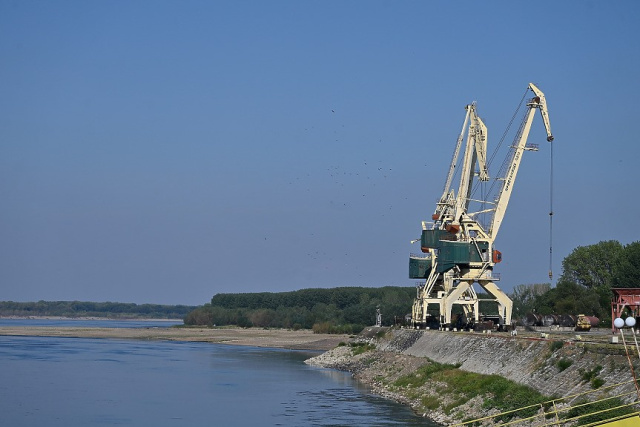
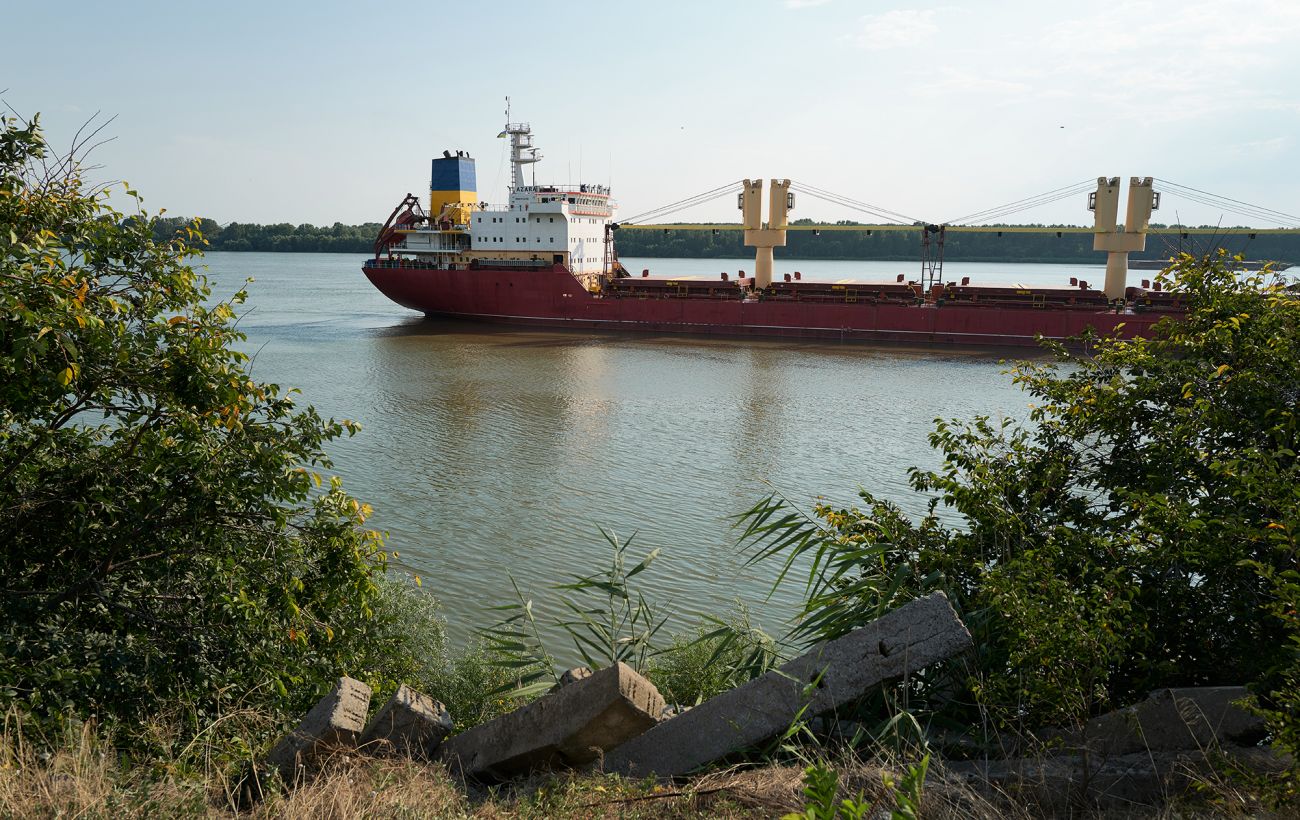
The pressure is particularly evident along the Danube corridor. The availability of coaster vessels at the ports of Reni and Izmail has declined significantly, while congestion on the Sulina Canal is extending voyage times and reducing vessel turnover. Each day of waiting may cost a shipowner around $5,000–8,000, an expense that is subsequently incorporated into freight rates.
Over the past week alone, freight rates on short routes to the Sea of Marmara and eastern Greece increased by around $10 per tonne, while voyages to the Eastern Mediterranean, Italy and Spain became $20–25 per tonne more expensive. Freight rates for grain shipments from Ukraine’s Danube ports to Egypt approached $100 per tonne, while barge transportation costs increased by approximately €5 per tonne.
Comment by the Institute of Danube Research
The Institute of Danube Research notes that the concept of a “Black Sea Hormuz” accurately reflects the economic nature of the current situation. Restrictions on the operation of Ukraine’s main seaports create a transport bottleneck whose consequences extend across the entire export system.
Ukrainian agricultural producers bear the greatest share of these costs. Global buyers can switch to grain from alternative origins, whereas Ukrainian farmers depend on the availability and competitiveness of specific transport corridors. As a result, a substantial part of the additional €50–90 in logistics costs effectively reduces producers’ revenues.
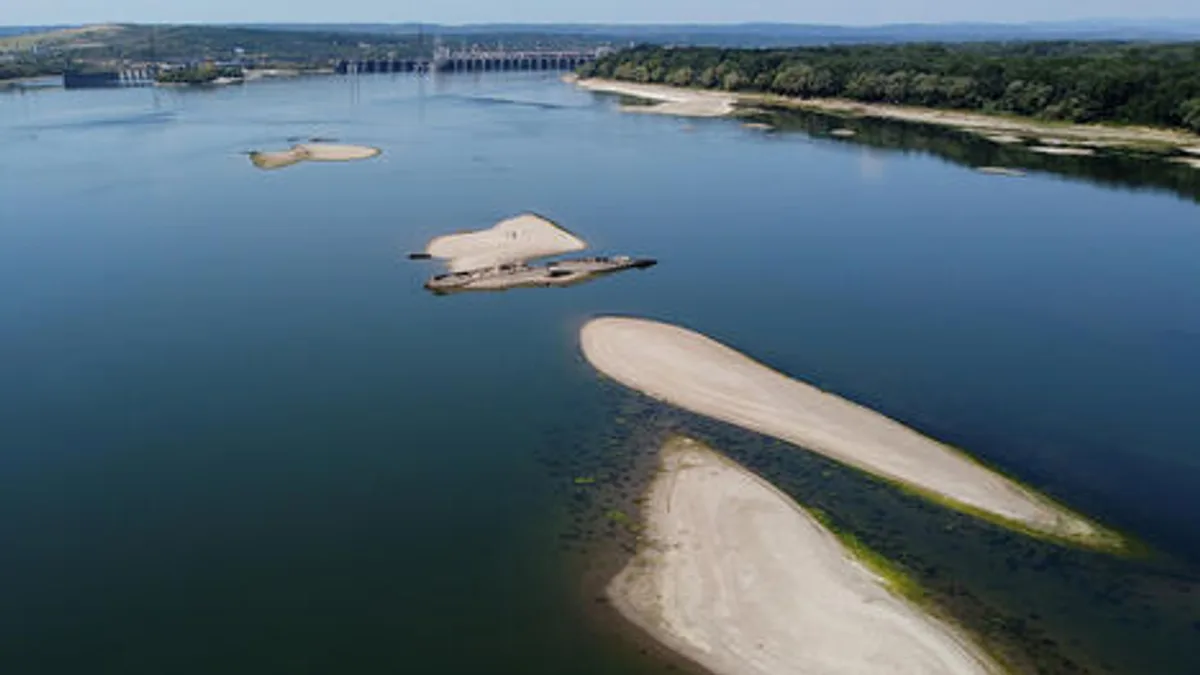
At the same time, the current situation once again demonstrates the strategic importance of the ports of Reni and Izmail. They cannot fully replace the deep-water ports of Greater Odesa, but without the Danube corridor the economic consequences of the maritime blockade would be considerably more severe.
The priorities should therefore remain increasing the effective capacity of the Sulina Canal, improving traffic coordination between Ukraine and Romania, reducing vessel waiting times and further integrating the Danube ports with railway and road infrastructure.
In a broader context, the “Black Sea Hormuz” means not only higher logistics costs, but also lower revenues for Ukrainian farmers, reduced foreign-currency earnings and a gradual restructuring of international agricultural trade flows.

 Bulgaria
 Hungary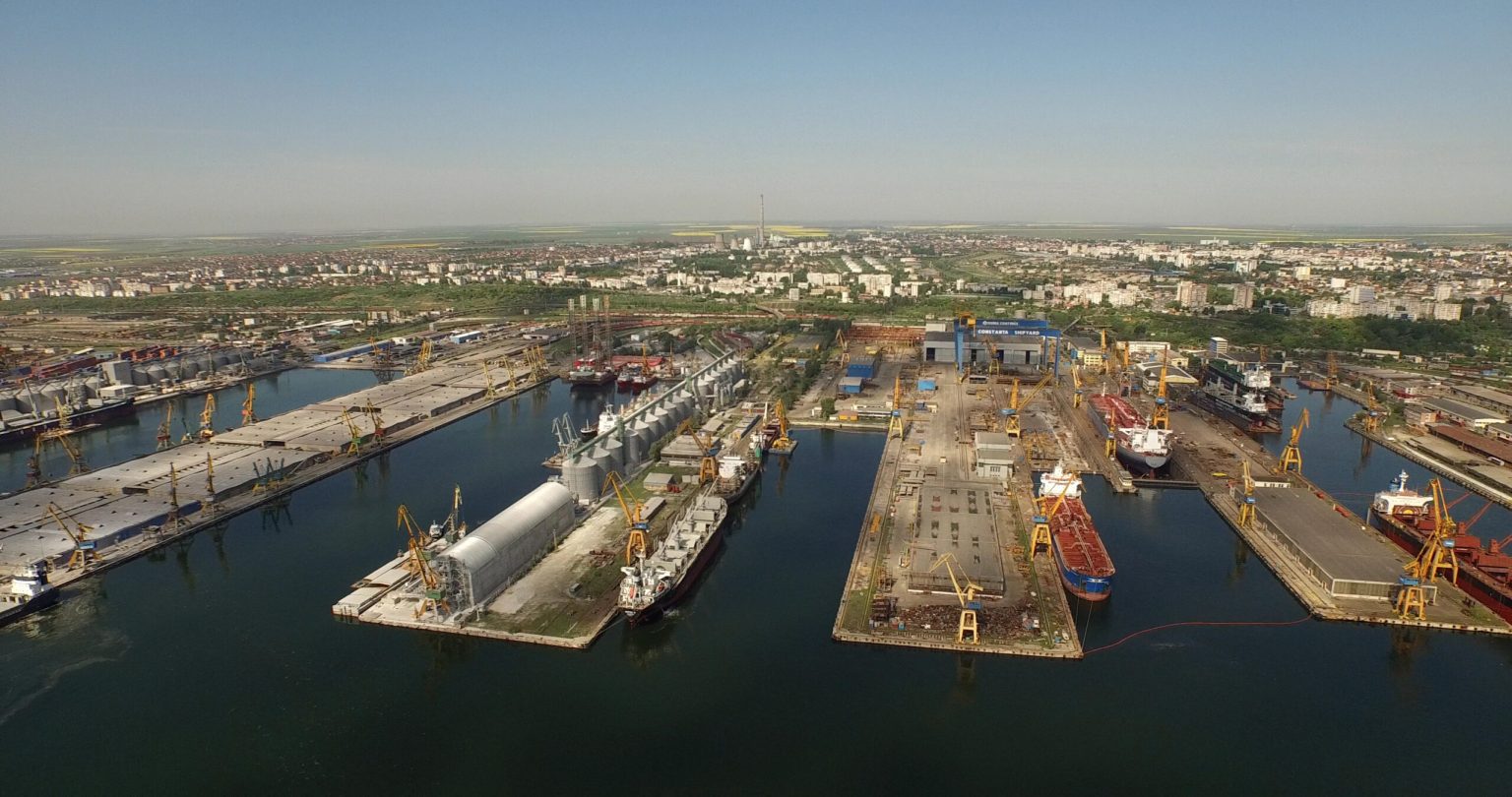
 Romania
 Moldova
 Serbia

 Danube