

Ukraine Participates in the 17th Meeting of the Carpathian Convention Implementation Committee
 Danube
07.09.2026
Danube
07.09.2026

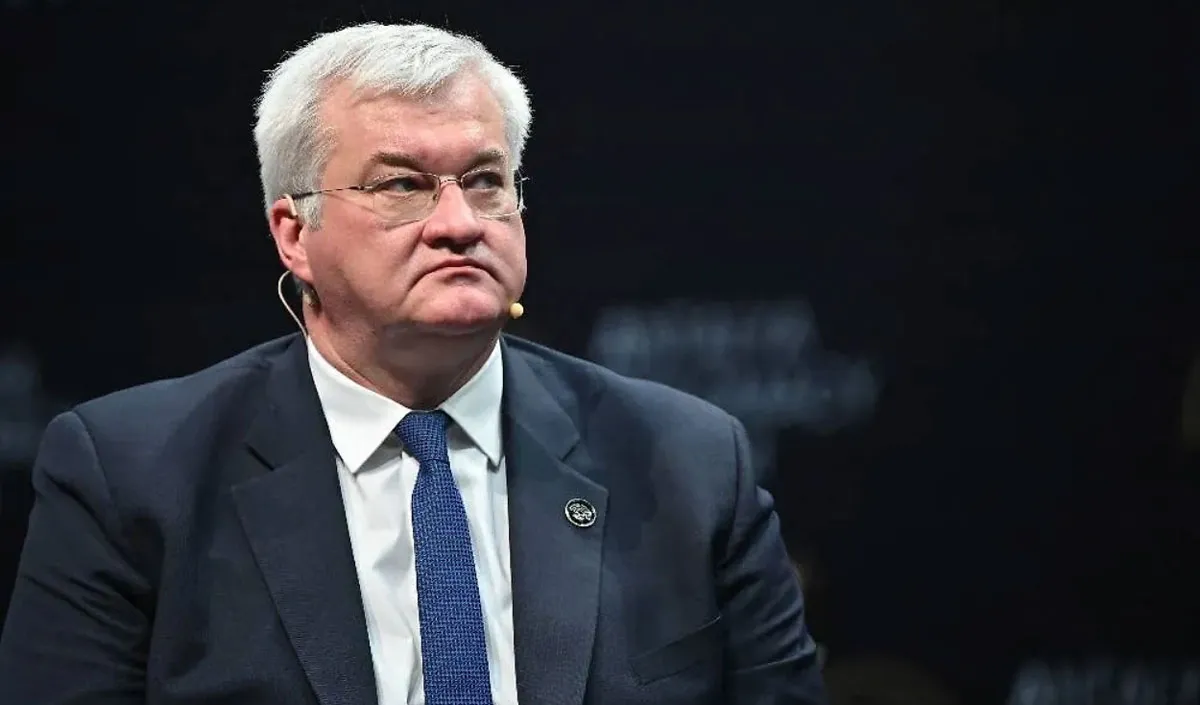
Vitaliy Barvinenko, Director of the Institute of Danube Research, is representing Ukraine at the 17th Meeting of the Carpathian Convention Implementation Committee, one of the key working formats for cooperation among the countries of the Carpathian region.
The Carpathian Convention was signed in Kyiv on 22 May 2003. Its objective is to protect the natural environment and promote the sustainable development of the Carpathian region. The Convention brings together seven countries: Ukraine, Poland, Slovakia, the Czech Republic, Hungary, Romania and Serbia.
The Implementation Committee serves as the Convention’s working body responsible for preparing draft policy and regulatory decisions for subsequent consideration by the Conference of the Parties.
Over two days, participants are expected to review and negotiate more than twenty draft decisions to be submitted to the Eighth Conference of the Parties to the Carpathian Convention — COP8, scheduled for 1–4 December.
A separate session is dedicated to discussing whether the Convention should establish a dedicated compliance mechanism to assess the implementation of commitments by the Parties, including with reference to the experience of the Alpine Convention.
The meeting brings together delegations from all seven Parties, representatives of the United Nations Environment Programme Secretariat, the European Commission, the European Environment Agency, UNIDO, secretariats of other international environmental conventions, the Science for the Carpathians network, Eurac Research, the Carpathian Network of Protected Areas, WWF and numerous non-governmental organisations.
For Ukraine, participation in the work of the Carpathian Convention is important not only from an environmental perspective but also in terms of broader regional strategy.
The Carpathians constitute one of Central and Eastern Europe’s major natural and water-resource areas and are directly linked to the Danube basin. A significant share of the runoff feeding Danube tributaries originates in the Carpathians. Consequently, decisions concerning forest protection, climate adaptation, water management, transport, energy and ecological infrastructure have direct implications for territories further downstream.
The institutional connection between the Carpathian and Danube regions is already reflected in established cooperation mechanisms. The Carpathian Convention has signed memoranda of cooperation with the Tisza Group of the International Commission for the Protection of the Danube River, as well as with priority areas of the EU Strategy for the Danube Region dealing with water quality, energy and transport.
In addition, the Danube–Carpathian region is being considered as a model for planning a Trans-European nature network, further strengthening the need for coordinated environmental policies across the Carpathians and the wider Danube basin.
The current meeting is particularly important because the next Presidency of the Carpathian Convention will pass to Ukraine.
The agenda also contains a dedicated item on support for Ukraine and a draft decision aimed at facilitating the implementation of the Convention in the country.
This means that during the next three-year cycle, the Ukrainian Carpathians and the upper Tisza basin will assume a particularly important role within the system of regional environmental diplomacy.
For Ukraine, the forthcoming Presidency creates an opportunity to play a more active role in shaping the regional agenda on water security, biodiversity protection, climate adaptation, sustainable development of mountain areas and closer cooperation between the Carpathian and Danube regions.
Ukraine is participating in this process not as an external observer, but as a country that will help shape its agenda and assume direct responsibility for advancing regional cooperation in the years ahead.

 Bulgaria
 Hungary
 Romania
 Ukraine
 Moldova
 Serbia