

Greece’s Metlen to Develop Three Solar Power Plants with Nearly 290 MW Capacity in Southern Romania
 Romania
28.10.2026
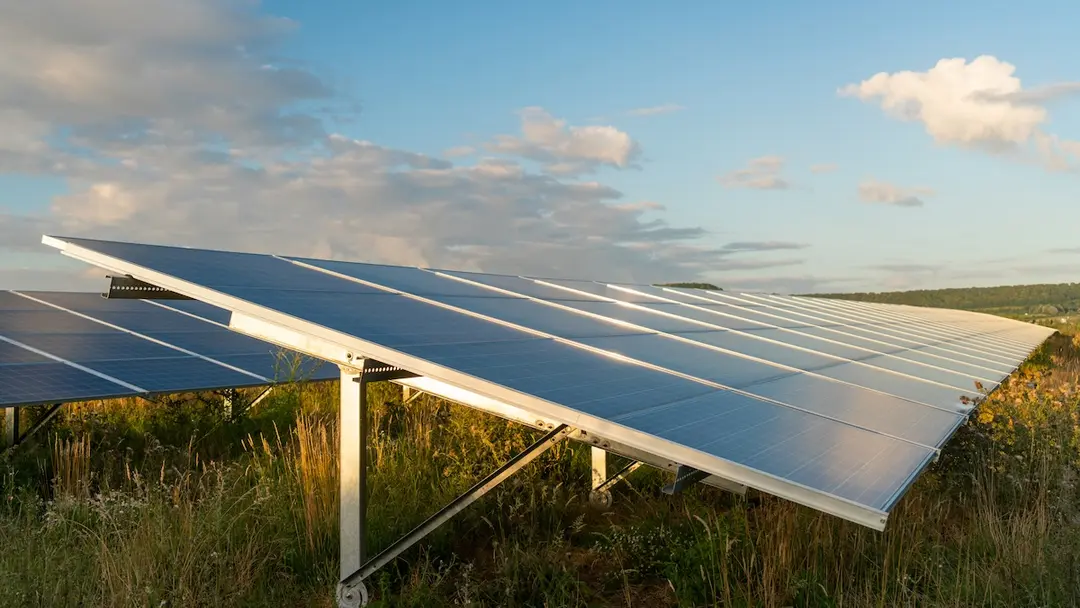
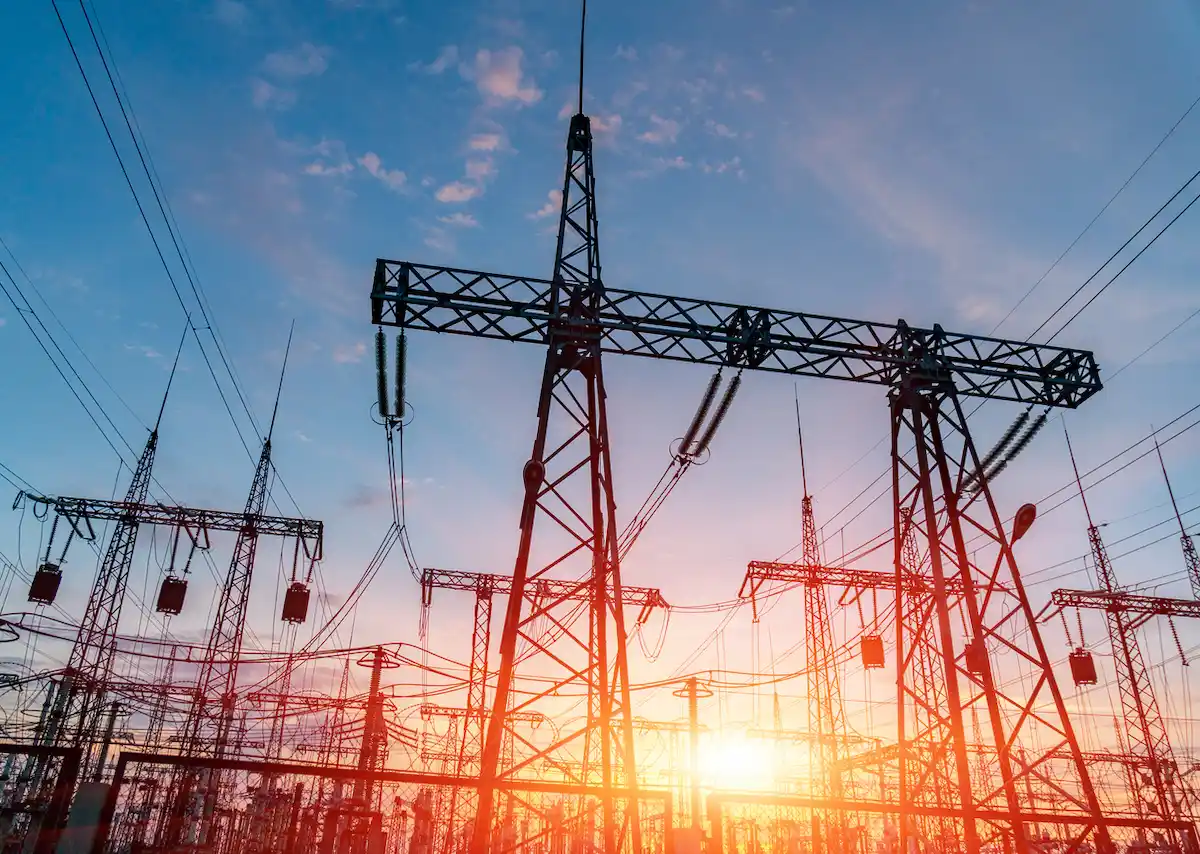
Greek energy group Metlen has obtained permits for the development of three photovoltaic parks with a combined capacity of approximately 290 MW in Teleorman County, southern Romania. The projects will be implemented by Black Sea Renewables SRL, a company controlled by Metka EGN, part of the Metlen Group.
The permits were issued by Romania’s National Energy Regulatory Authority (ANRE) and are valid for 24 months.
The three solar power plants, Trivalea-Moșteni BSR 1, BSR 2 and BSR 3, will be located in the commune of Trivalea-Moșteni. Their planned capacities are approximately 155 MW, 69 MW and 63 MW, respectively. Obtaining the permits represents an important step towards developing the new electricity generation facilities.
Metka already has considerable experience implementing major energy projects in Romania. In particular, the company participated in the construction of OMV Petrom’s 860 MW Brazi combined-cycle gas power plant in partnership with General Electric.
Metlen, formerly known as Mytilineos, operates in metallurgy, electricity generation, natural gas, renewable energy, energy storage and sustainable engineering solutions.
In February 2024, the group announced the acquisition of three solar projects in Romania. Previously, Mytilineos had also developed two photovoltaic projects of 90 MW each, which were subsequently acquired by Enel Green Power Romania, later taken over by the Greek energy group PPC.
Commentary by the Institute of Danube Research (IDR)
According to experts from the Institute of Danube Research, the growing presence of Greek energy companies in Romania reflects increasing investment integration across Southeast European energy markets.
The development of new solar power facilities will contribute to diversifying Romania’s electricity generation mix, reducing dependence on fossil fuels and strengthening regional energy resilience.
However, the increasing share of solar generation also requires corresponding investments in electricity grids, energy storage systems and balancing mechanisms. Without these supporting elements, the expansion of renewable energy capacity may create additional challenges for power system stability.
The Institute of Danube Research emphasises that Romania’s renewable energy development also has strategic significance for Ukraine. Strengthening the generation capacity of neighbouring countries, together with the expansion of cross-border electricity interconnections, creates additional opportunities for regional energy integration and improved security of electricity supply.
 Hungary
 Ukraine

 Moldova
 Bulgaria
 Danube


 Serbia