

Moldova Resumes Rail Imports of Scrap Metal from Romania After Several Years
 Romania
22.10.2026
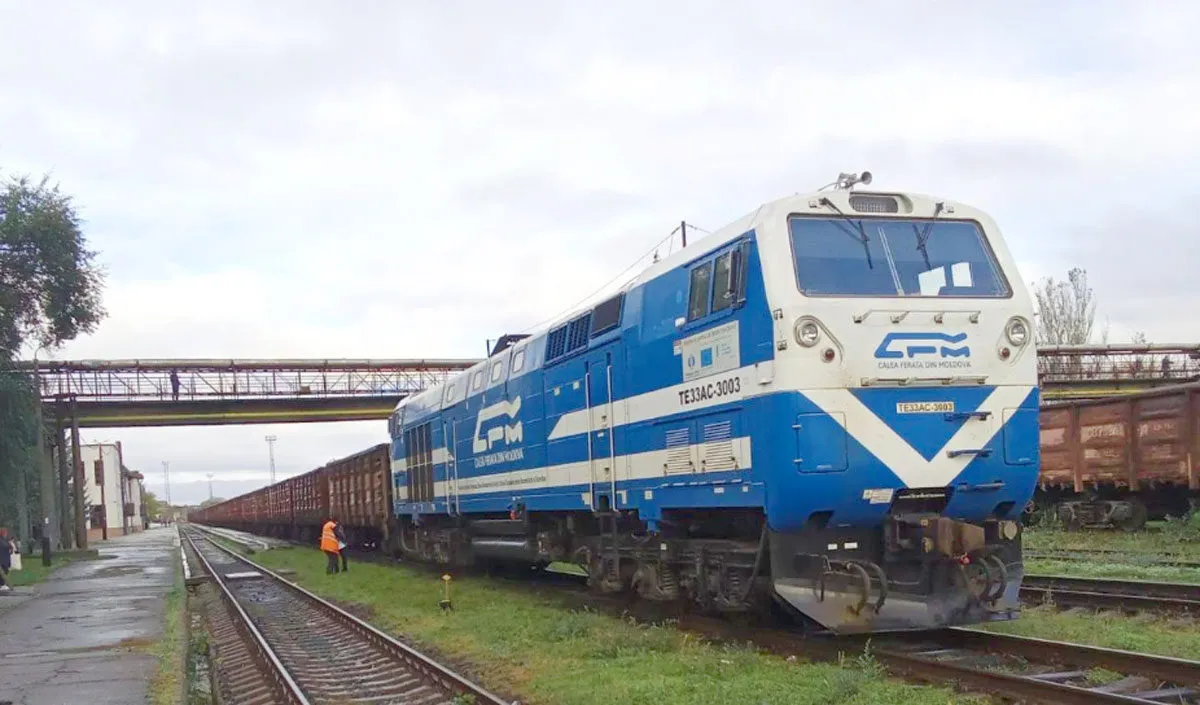
The state-owned enterprise Calea Ferată din Moldova (CFM) has resumed rail imports of scrap metal from Romania to the Republic of Moldova following a suspension lasting several years. The development creates new opportunities for cross-border railway logistics and the diversification of freight flows between the two countries.
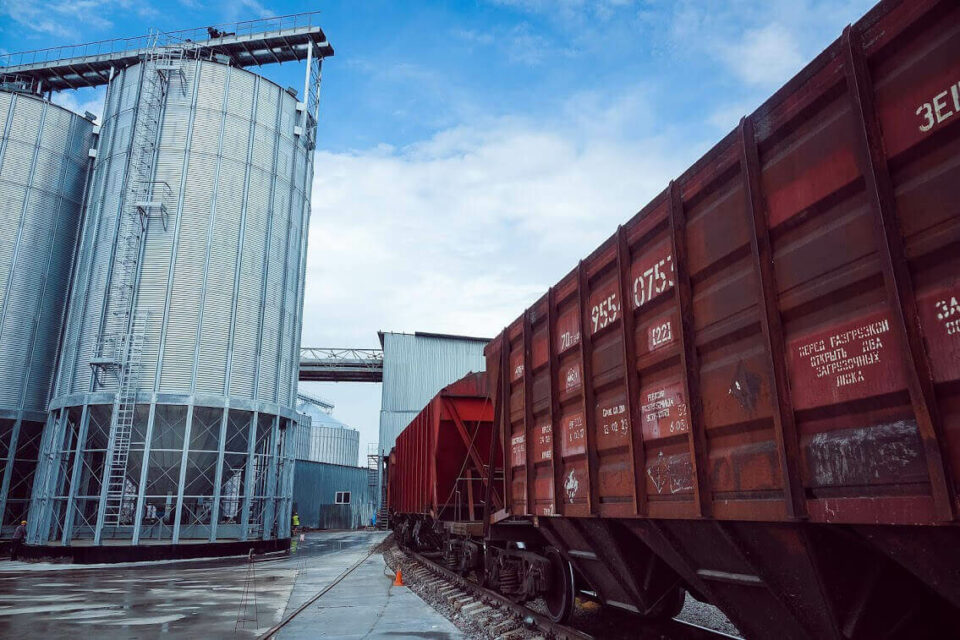
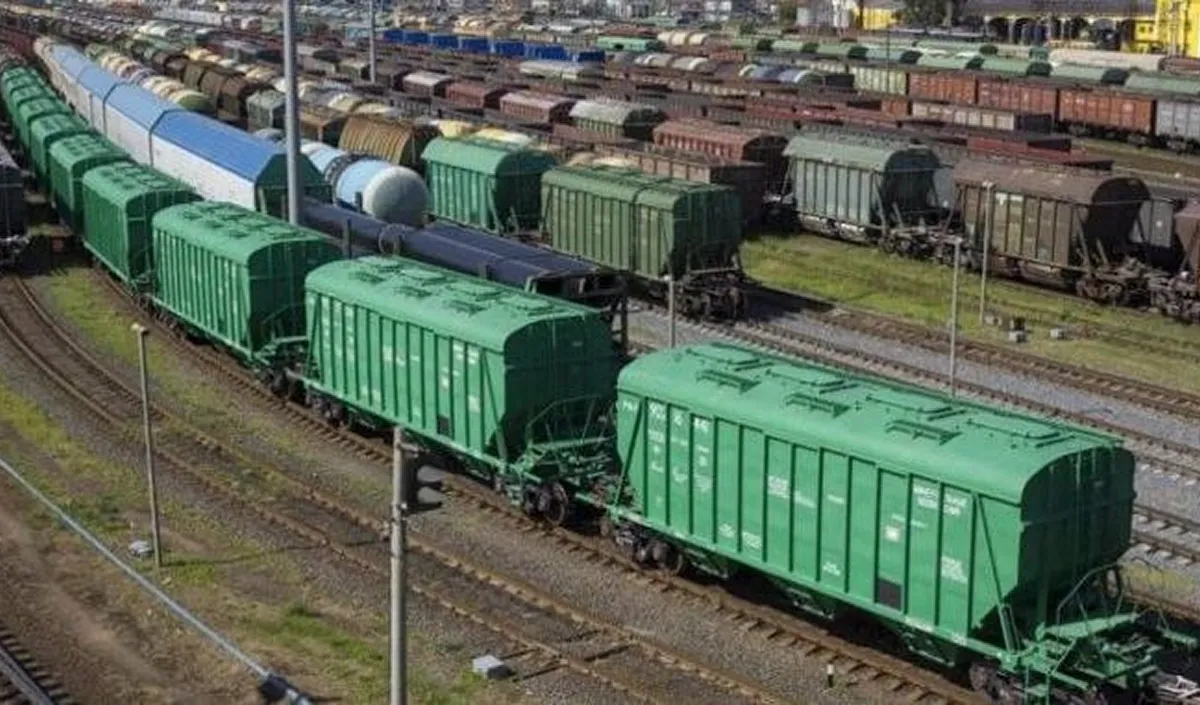
On October 19, 2026, a shipment of 1,125 tonnes of scrap metal crossed the border through the Ungheni–Cristești-Jijia railway crossing. The freight train consisted of 26 wagons operating on a 1,520 mm broad-gauge railway line.
According to CFM, the resumption of these shipments will contribute to more efficient use of railway infrastructure, diversification of transported goods, and stronger economic and transport cooperation between Moldova and Romania.
Moldovan media have reported that the scrap metal is intended for the metallurgical plant in Rîbnița, located in the Transnistrian region. Future shipments will also depend on compliance with environmental and regulatory requirements.
Commentary by the Institute of Danube Research
The resumption of scrap metal imports by rail demonstrates the potential for expanding Moldova's railway freight operations and strengthening transport cooperation with Romania.
The Ungheni–Cristești-Jijia border crossing is particularly important as it connects railway systems operating with different track gauges.
According to IDR experts, developing such transport operations could reduce pressure on road infrastructure, improve international logistics efficiency, and support Moldova's integration into European supply chains.
However, the key measure of success will be the transition from individual shipments to stable and regular freight flows. Achieving this requires competitive railway tariffs, efficient border procedures, and predictable demand from industrial enterprises.
From a broader regional perspective, the resumption of these shipments highlights the strategic importance of modernizing Moldova's railway corridors and strengthening transport connectivity between Romania, Ukraine, and the wider Danube region.

 Hungary
 Ukraine


 Moldova


 Bulgaria
 Danube
 Serbia