

Romania plans to streamline freight train access to the Port of Constanța
 Romania
20.10.2026
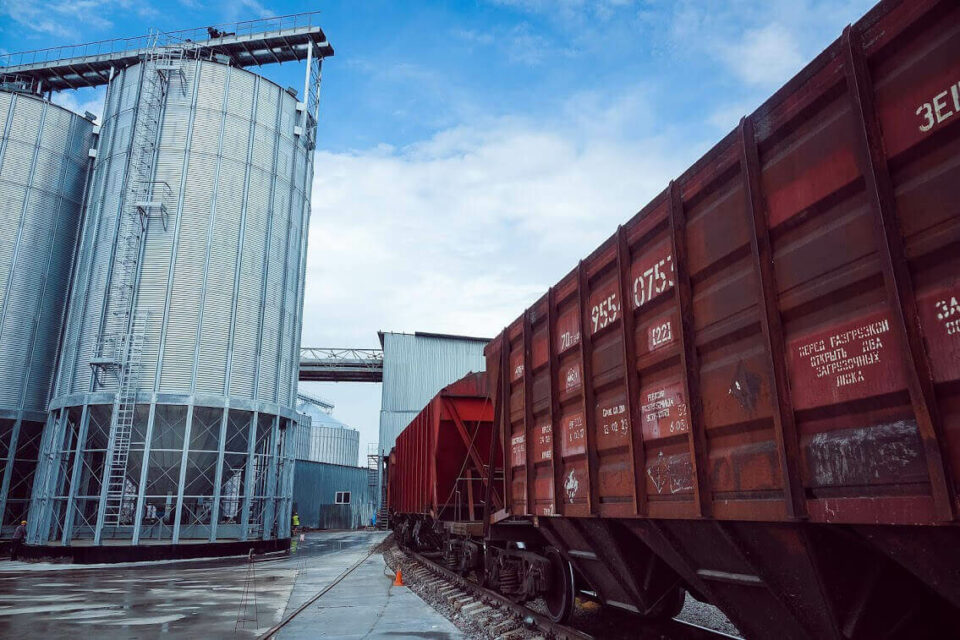
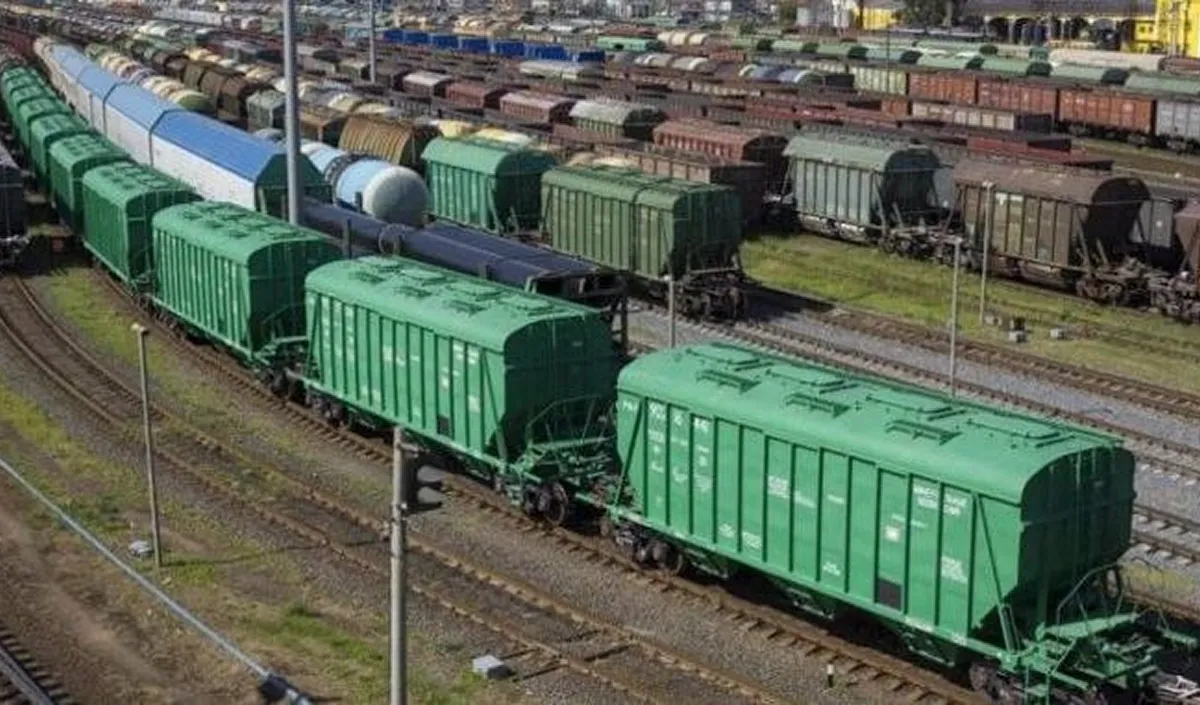
Romania’s Ministry of Transport has prepared a draft order and submitted it for public consultation to improve the scheduling of freight trains entering the Port of Constanța. The proposed changes aim to prevent unscheduled trains from receiving unjustified priority over those with an agreed place in the queue, according to interim Transport Minister Radu Miruță.
The initiative envisages coordinated planning throughout the logistics chain: from wagon loading and rail transit through Romania to shunting operations within the port and vessels’ readiness to receive cargo.
According to the minister, if a train is delayed because of CFR, neither the rail operator nor the port operator would be penalised. Another train from the already agreed schedule could be handled instead. If the delay is attributable to the rail operator, that operator would bear responsibility. Unjustified breaches of the agreed sequence would result in the loss of the loading slot and higher financial penalties.
Miruță said that preferential treatment of certain trains had caused prolonged wagon idle time on the approaches to the port, effectively turning them into “warehouses on wheels”. The proposed changes remain subject to public consultation and are not yet in force.
Commentary by the Institute of Danube Research
The proposed approach seeks to address delays caused by inadequate coordination in port logistics. Aligning rail schedules with terminal and vessel readiness could accelerate wagon turnaround, reduce idle-time costs and improve the predictability of agricultural exports.
However, results will depend on transparent queue management, timely data exchange and an objective assessment of the causes of delays. The system should allow schedules to be adjusted promptly when infrastructure disruptions occur, without creating additional delays for operators complying with the rules.
For Ukrainian exporters using the Constanța route, clear scheduling procedures and non-discriminatory access to port capacity will be particularly relevant. The effectiveness of the changes should be measured by shorter waiting times, faster rolling stock turnaround and lower overall logistics costs.


 Hungary
 Ukraine


 Moldova



 Bulgaria
 Danube

 Serbia