

Ukraine and Moldova Strengthen Cooperation in Security, Energy, Transport and Trade
 Ukraine
27.10.2026
Ukraine and Moldova have signed a military-technical cooperation agreement and agreed to develop joint projects in transport, trade, energy and regional security.
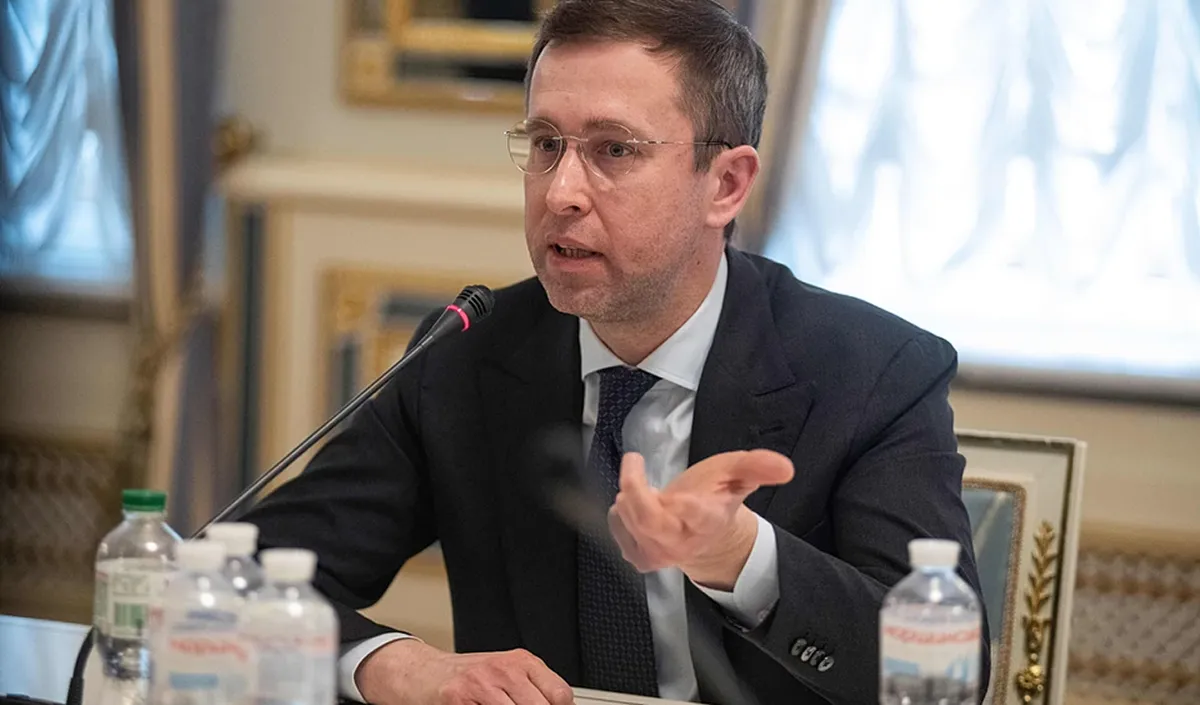
The agreements were reached on October 26, 2026, in Kyiv during a meeting between Ukrainian Prime Minister Sergii Koretskyi and his Moldovan counterpart Vasile Tofan. The two sides also discussed coordinating their efforts towards European Union membership.
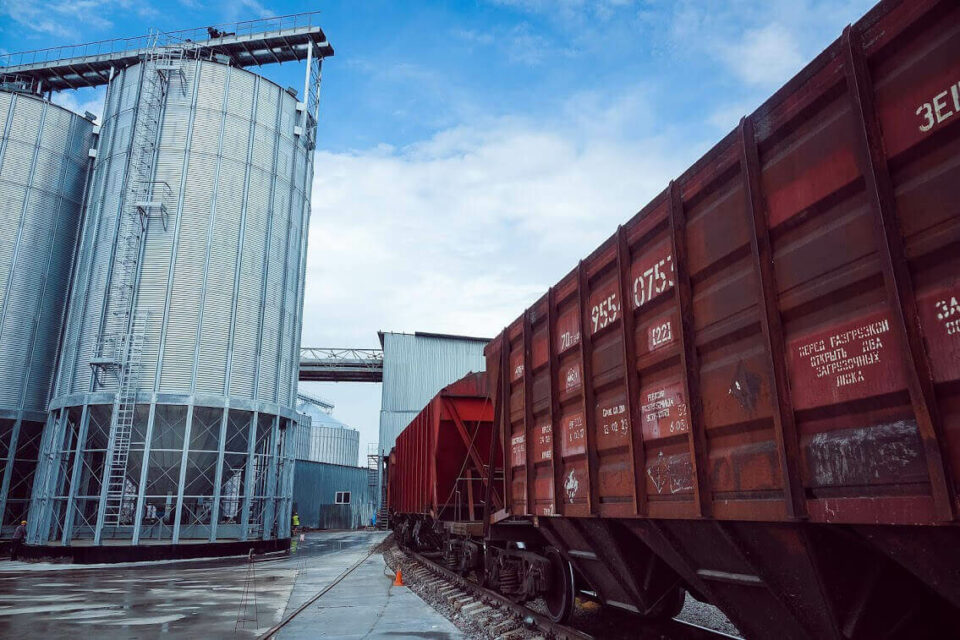
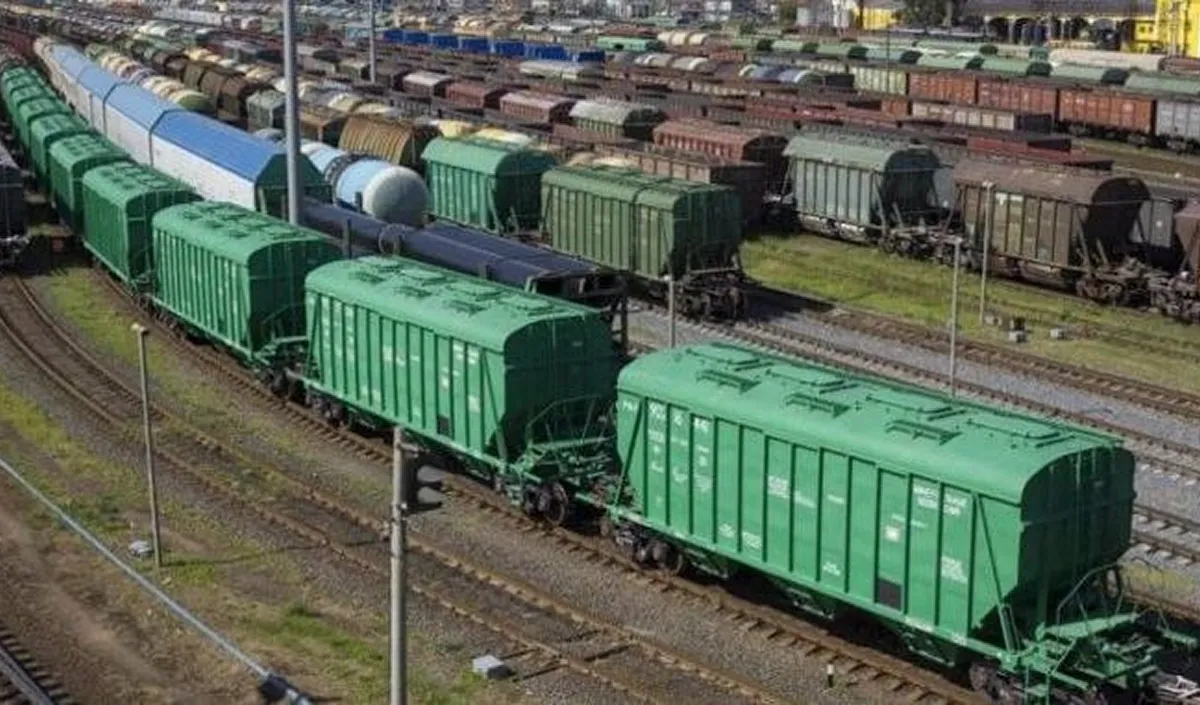
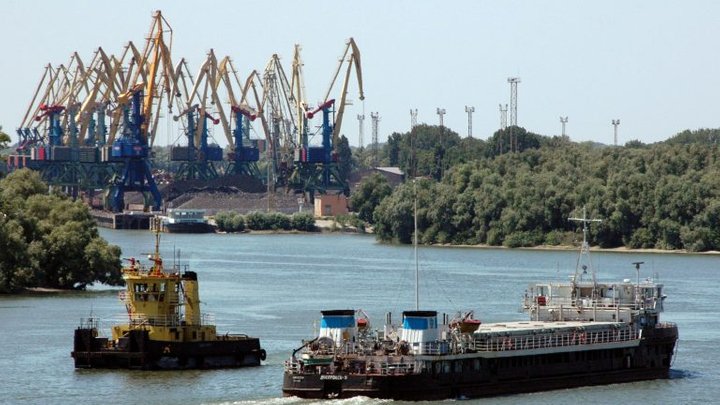
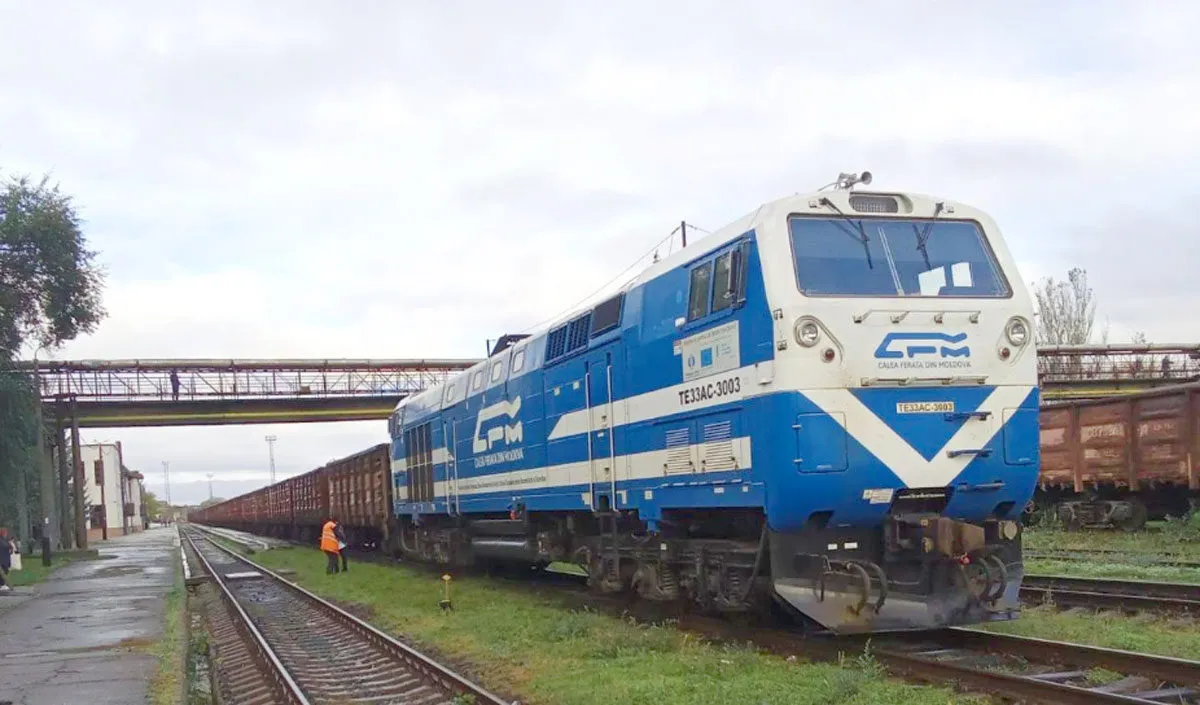
In the transport sector, discussions focused on developing road and railway corridors for Ukrainian cargo under the European Solidarity Lanes initiative, modernizing border infrastructure and expanding joint border controls. Increased transit volumes are expected to create additional opportunities for Moldova's railway sector, logistics companies and investments in warehousing infrastructure.
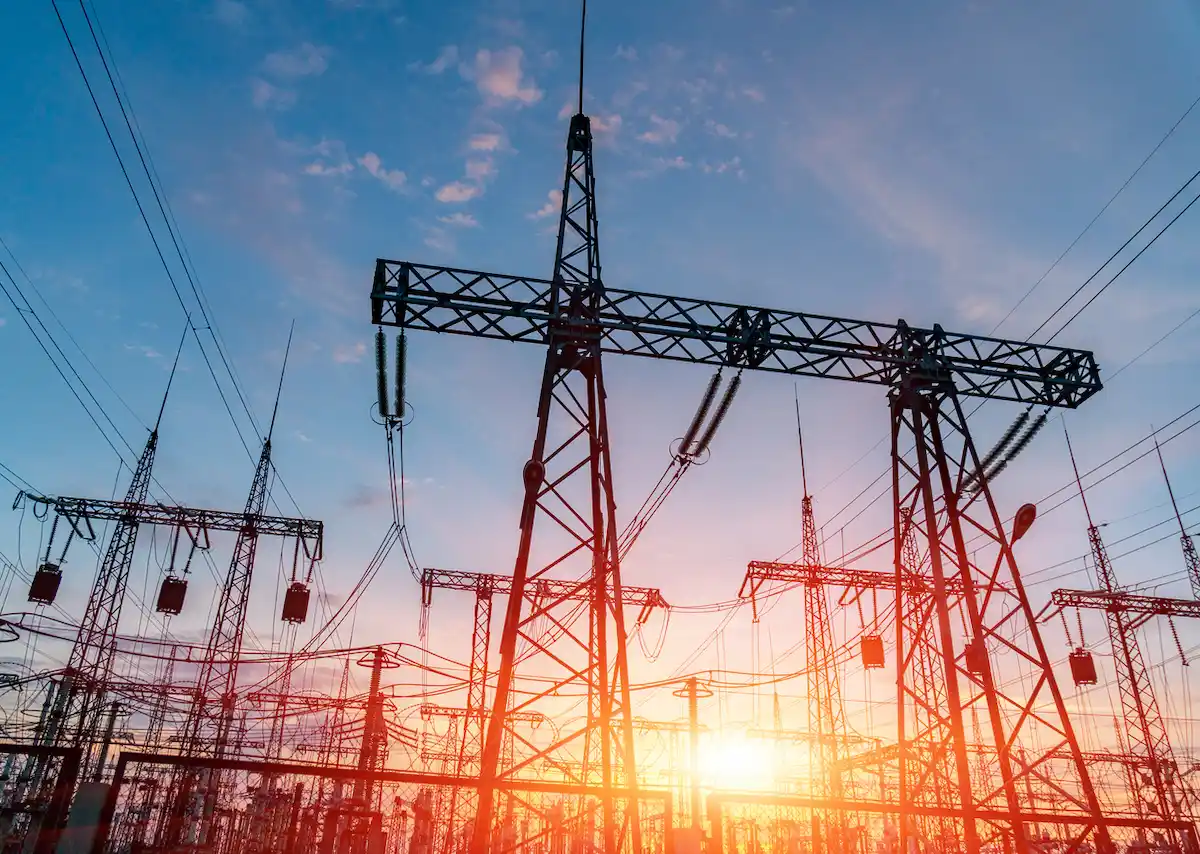
In the energy sector, the two countries discussed accelerating the signing of a memorandum of understanding between Moldelectrica and Ukrenergo, as well as preparing the second circuit of the Bălți–Dnestrovsk electricity transmission line. The project could increase cross-border electricity exchange capacity by approximately 500 MW, strengthening energy security and system resilience. The parties also addressed further cooperation in the natural gas sector.
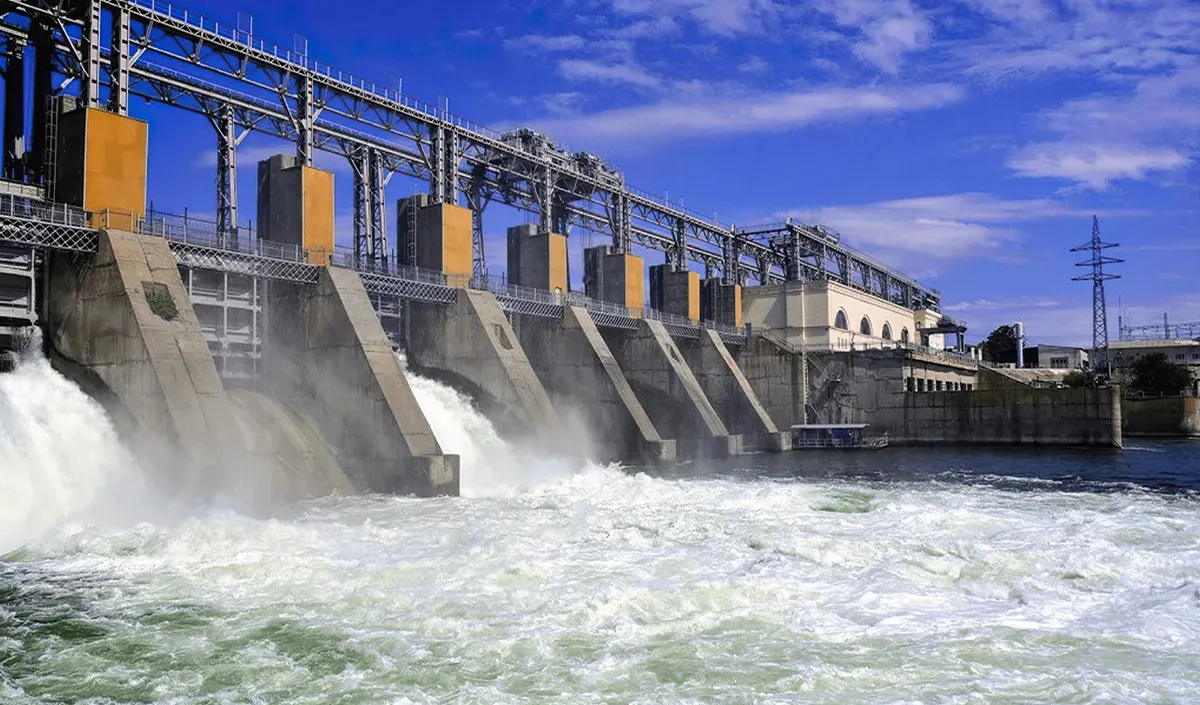
Another important issue was the management of water resources in the Dniester River basin, particularly coordination of water releases and ensuring stable water supplies to communities in both countries.
A major outcome of the meeting was the signing of a military-technical cooperation agreement by Moldova's Minister of Defence Anatolie Nosatîi and Ukraine's Minister of Defence Yevhen Khmara. The agreement provides a framework for exchanging expertise, developing defence technologies and applying Ukrainian experience in countering drones and protecting national airspace.
Prime Minister Vasile Tofan emphasized that Moldova's neutral status does not eliminate the need to strengthen its defence capabilities. According to the Moldovan government, the country's airspace has been violated more than 100 times since the beginning of the war.
The two governments also agreed to resume the activities of the Intergovernmental Commission on Trade and Economic Cooperation and revive the Odesa Triangle cooperation format involving Ukraine, Moldova and Romania.
Commentary by the Institute of Danube Research (IDR)
The expansion of Ukrainian–Moldovan cooperation reflects a gradual transition from individual bilateral agreements towards a more comprehensive model of regional interaction integrating security, energy, transport and economic interests.
These developments are particularly important for the Lower Danube region, where cross-border infrastructure development and the revival of the Odesa Triangle format could strengthen coordination among Ukraine, Moldova and Romania.
At the same time, management of the Dniester River's water resources is becoming increasingly important amid climate change and growing risks of water scarcity. Ensuring water security requires coordinated decisions, continuous hydrological monitoring and consideration of the environmental interests of both countries.
The Institute of Danube Research considers that the practical implementation of these agreements could contribute to strengthening the economic resilience of border communities, developing regional logistics and deepening Ukraine's and Moldova's integration into the European economic and institutional framework.
 Romania

 Hungary
 Moldova
 Bulgaria
 Danube
 Serbia