

Moldova Becomes the Leading Destination for Romanian Companies’ Real Foreign Investments
 Moldova
27.10.2026
The Republic of Moldova ranks first among foreign countries in terms of Romanian direct investment directed toward actual economic activities. The accumulated volume of these investments has reached €659 million.
According to data from the National Bank of Romania (BNR), Romania's total outward foreign direct investment stock reached approximately €9.68 billion at the end of 2025. However, around €5.59 billion effectively returned to the Romanian economy through intermediary jurisdictions, including Luxembourg, the Netherlands, and Cyprus. This phenomenon, known as round-tripping, involves domestic capital being transferred abroad and subsequently reinvested in its country of origin as foreign direct investment.
As reported by Ziarul Financiar, Moldova leads among the ultimate foreign destinations for Romanian investment (€659 million), followed by Italy (€406 million), Bulgaria (€372 million), and France, including Monaco (€335 million).
Approximately 1,600–1,700 companies with Romanian capital are registered in Moldova. The main investment sectors include banking and insurance, trade, industrial manufacturing, energy, infrastructure, and information technology.
Major examples of Romanian economic involvement include Banca Transilvania's investment in Victoriabank and the activities of Vestmoldtransgaz, associated with Romania's Transgaz, which operates Moldova's natural gas transmission system.
Energy interconnections, transport infrastructure development, and Moldova's integration into the European economic area are becoming increasingly important.
Commentary by the Institute of Danube Research (IDR)
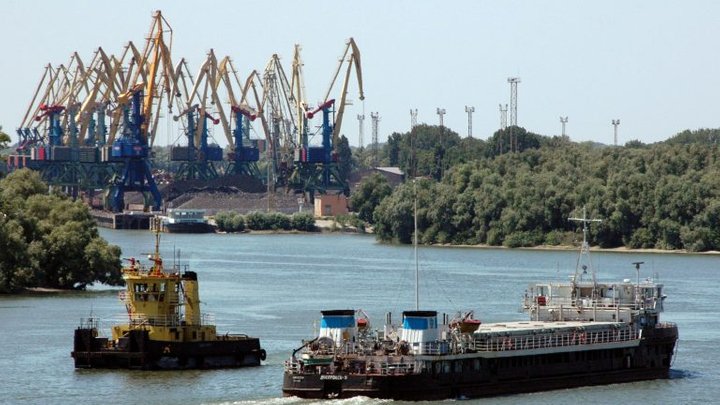
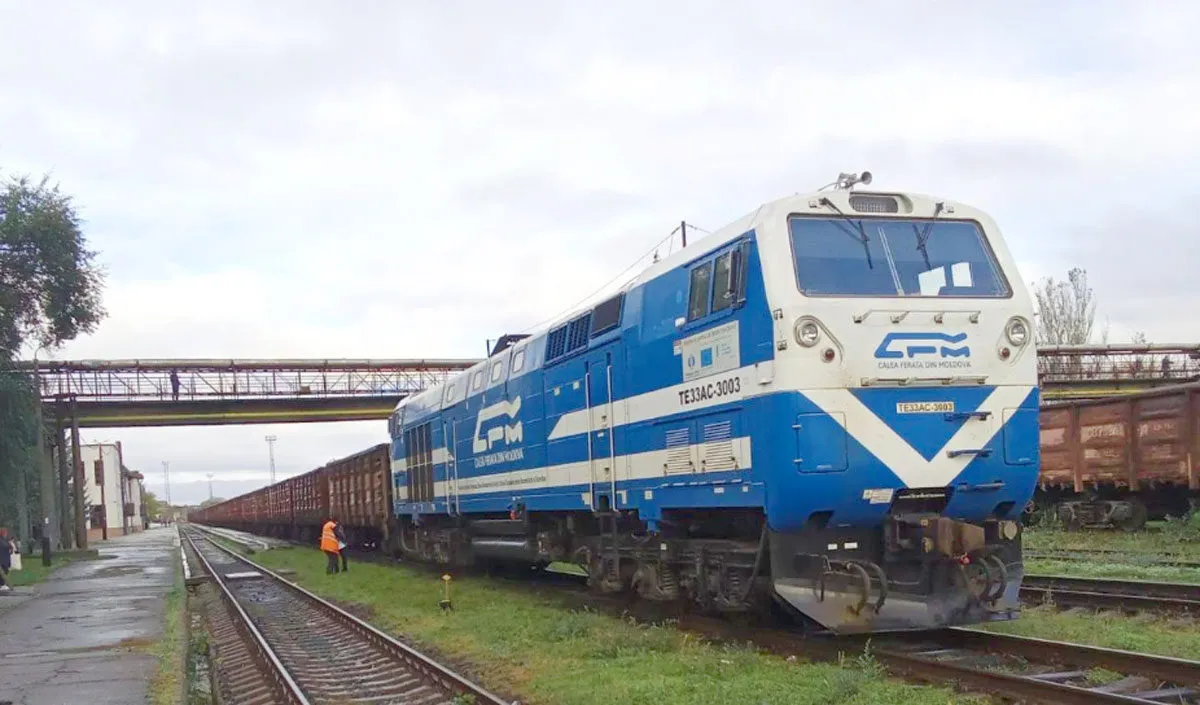
Romanian capital in Moldova is not only an economic factor but also a security one. Energy and transport assets linked to the Romanian system reduce Moldova’s dependence on a single source of supply and strengthen the country’s resilience amid instability in the Black Sea region. This bears directly on the Danube as a logistics axis. Moldova’s Giurgiulești port, Romania’s Galați and Constanța, and Ukraine’s Reni and Izmail operate as parts of a single Danube–Black Sea corridor, and growing investment in industry, trade and energy increases the cargo flows that need port capacity, rail and road connections, and coordinated border and customs control.
For Ukraine, this means synchronizing the development of its Danube ports with Romanian–Moldovan infrastructure projects, so that the corridor remains an alternative route protected from the risk of failure at any one node. At the same time, capital “round-tripping” is a reminder that official statistics do not always reflect the real structure of investment, so the security and logistics implications should be assessed by actual projects rather than by aggregate figures alone.

 Romania

 Hungary
 Ukraine



 Bulgaria
 Danube

 Serbia