

Ukraine and Romania Work to Expand Night Navigation on the Sulina Channel
 Ukraine
27.10.2026
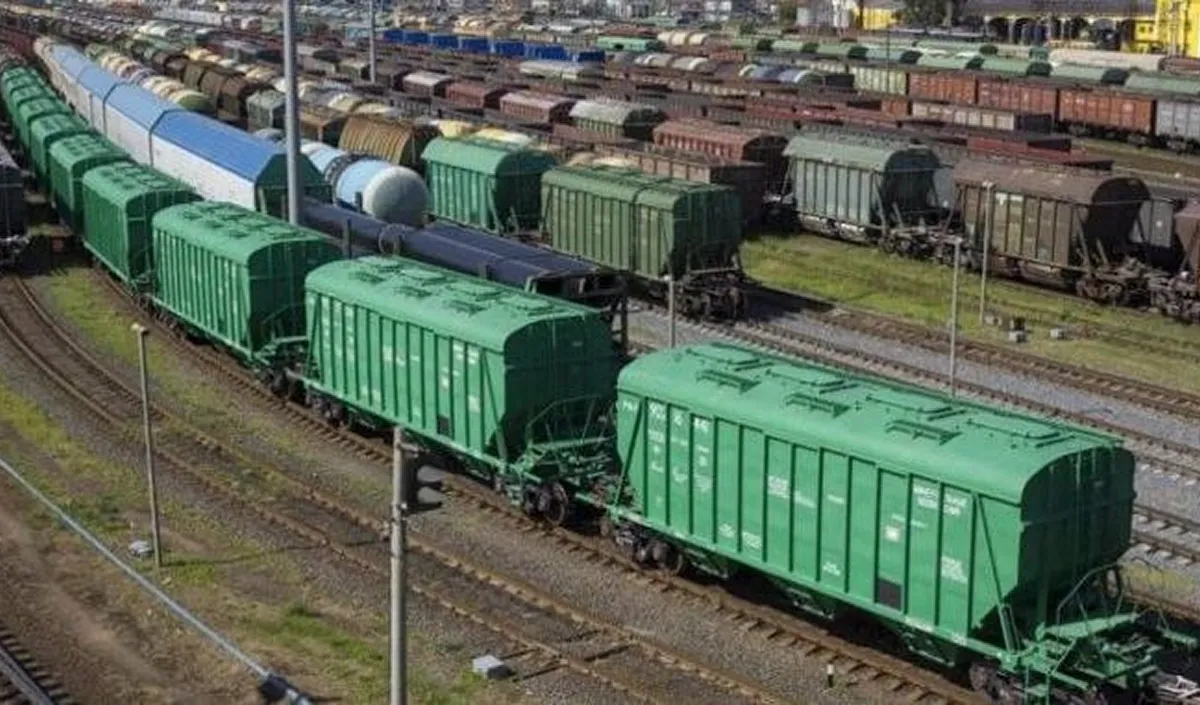
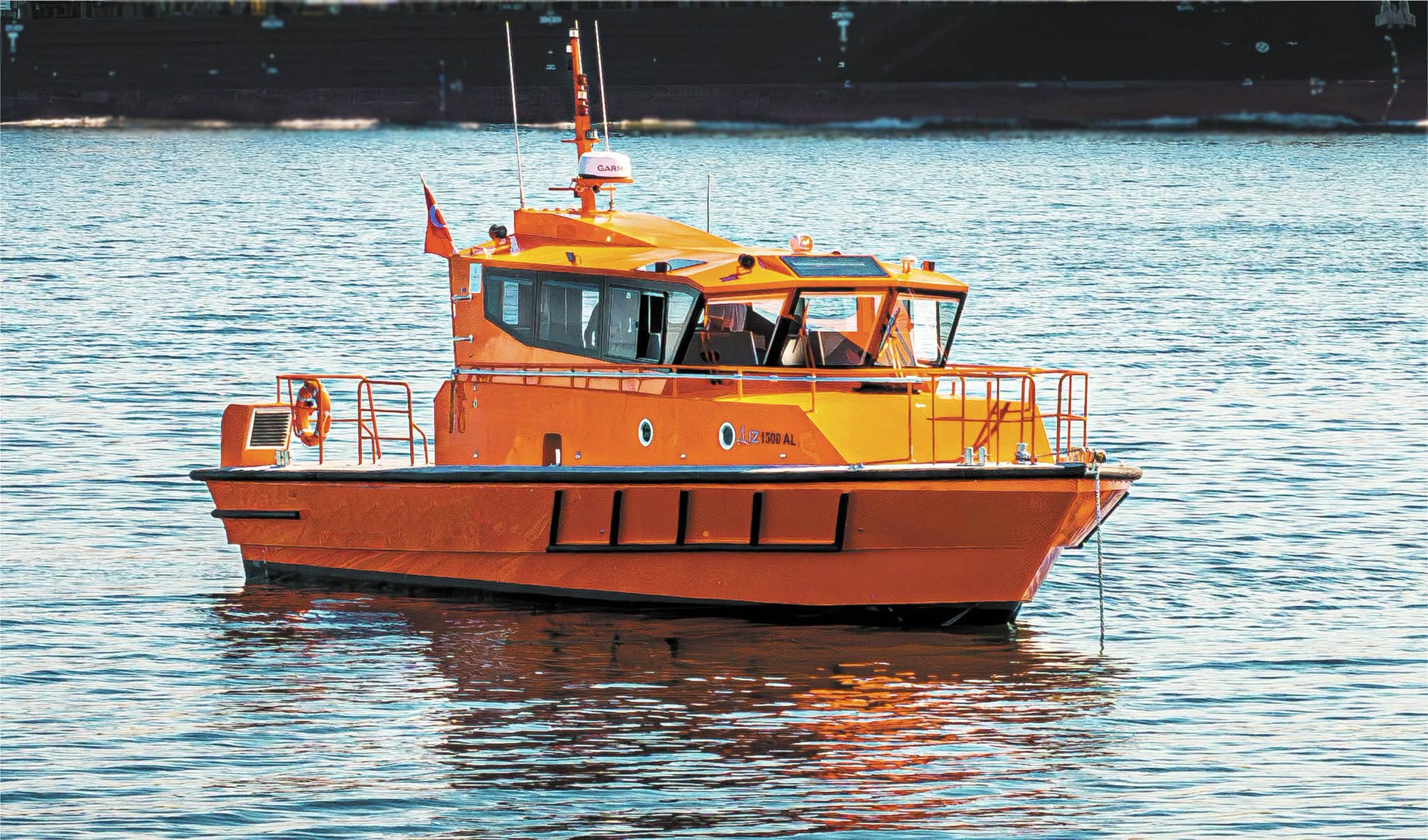
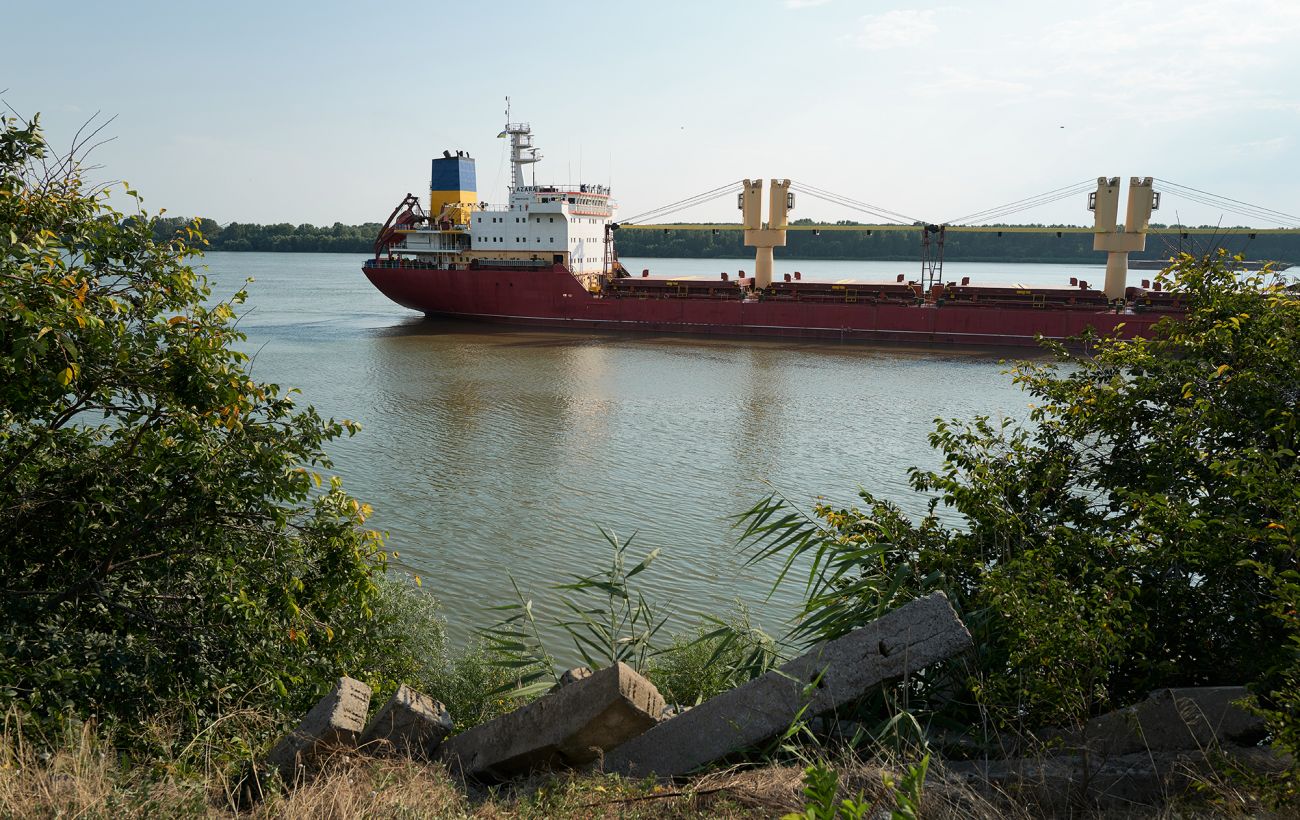
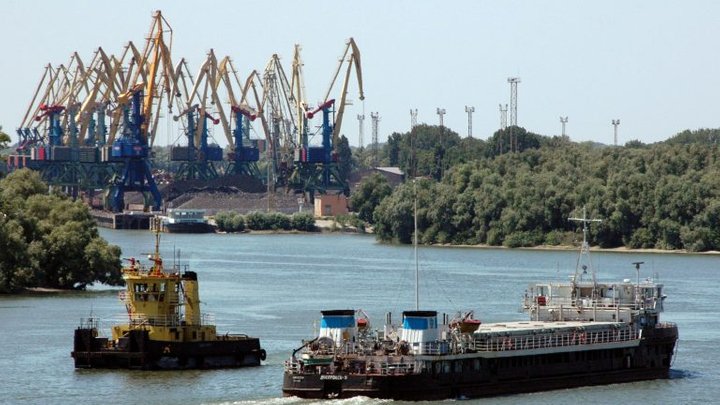
Ukraine and Romania are holding negotiations to increase the capacity of the Sulina Channel, including the introduction of regular nighttime vessel transits. This could boost export and import cargo volumes handled by Ukrainian Danube ports.
This was reported by Vitalii Nikula, Director of the Izmail Commercial Sea Port, in an interview with Ukrinform.
The Sulina Channel remains one of the key routes connecting the Danube River with the Black Sea, allowing vessels with a draft of up to 7 metres to navigate. Its limited capacity currently constrains the development of cargo transportation.
According to Nikula, negotiations are being conducted by the relevant ministries of Ukraine and Romania, together with the Ukrainian Sea Ports Authority.
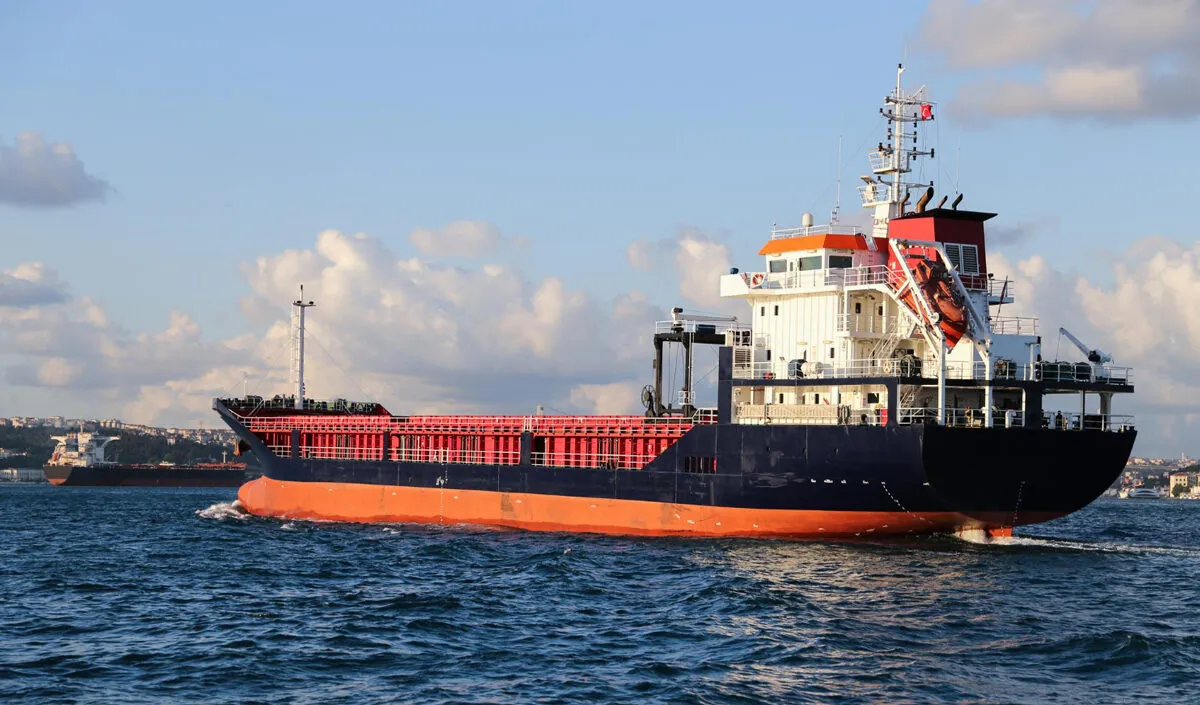
Another major challenge is the critically low water level of the Danube. Due to seasonal low-water conditions, barges capable of carrying 2,000–2,500 tonnes of grain are currently being loaded with only 750–800 tonnes, significantly reducing the efficiency of river logistics.
The Director of Izmail Port also emphasized the need for investment in modernizing cargo-handling equipment to improve port productivity.
Commentary by the Institute of Danube Research (IDR)
Expanding nighttime navigation on the Sulina Channel is undoubtedly of strategic importance for the Ukrainian Danube port cluster. Increasing the channel's capacity could reduce vessel waiting times, improve the predictability of cargo transportation, and strengthen the competitiveness of the ports of Izmail and Reni.
However, nighttime navigation alone will not resolve the problem of seasonal low water levels in the Danube, which directly affects vessel loading capacity and transportation costs. Therefore, the development of Danube logistics requires a comprehensive approach combining port infrastructure modernization, improved navigation management, and deeper cooperation with Romania.
As experts from the Institute of Danube Research have repeatedly emphasized, a priority should be the establishment of a coordinated Ukrainian–Romanian navigation management system in the Lower Danube region, taking into account hydrological limitations, navigational safety, and the needs of international trade.

 Romania

 Hungary


 Moldova


 Bulgaria
 Danube

 Serbia