

Bulgaria’s Danube River Agency Marks 70th Anniversary with International Conference in Ruse
 Bulgaria
23.10.2026
On October 21, 2026, the Bulgarian city of Ruse hosted an international conference entitled “Challenges and Prospects for the Development of Navigation on the Danube River”, dedicated to the 70th anniversary of the Executive Agency for Exploration and Maintenance of the Danube River (EAEMDR). The discussions focused on ensuring year-round navigation, adapting to climate change and modernising waterway infrastructure.
The conference brought together Bulgaria’s Deputy Minister of Transport and Communications Anna Natova, President of the Danube Commission Hristo Polendakov, European Coordinator for the Rhine–Danube Transport Corridor Margarida Marques, Director General of the Danube Commission Manfred Seitz, and representatives of local authorities, international organisations and the transport sector.
EAEMDR Executive Director Ivelin Zanev emphasised the importance of combining the agency’s decades of experience with modern technologies, developing information systems and strengthening cooperation among Danube administrations.
A central topic was ensuring reliable navigation conditions throughout the year. Participants discussed the impact of climate change and fluctuating water levels on transport operations, the need for regular maintenance of navigable waterways and the importance of long-term investment in river infrastructure.
Special attention was given to the Danube’s strategic role as a European Union transport corridor and its contribution to regional economic integration.
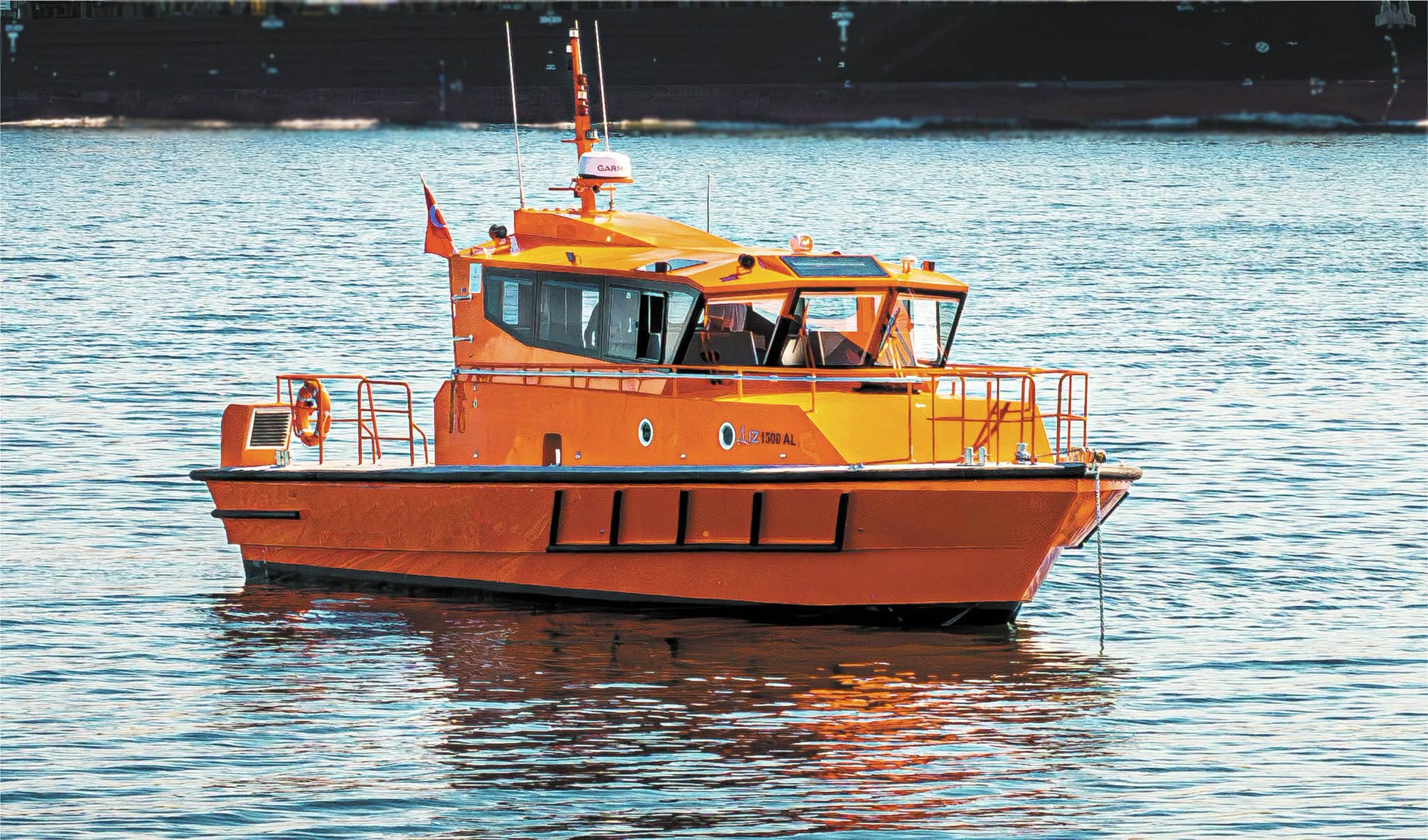
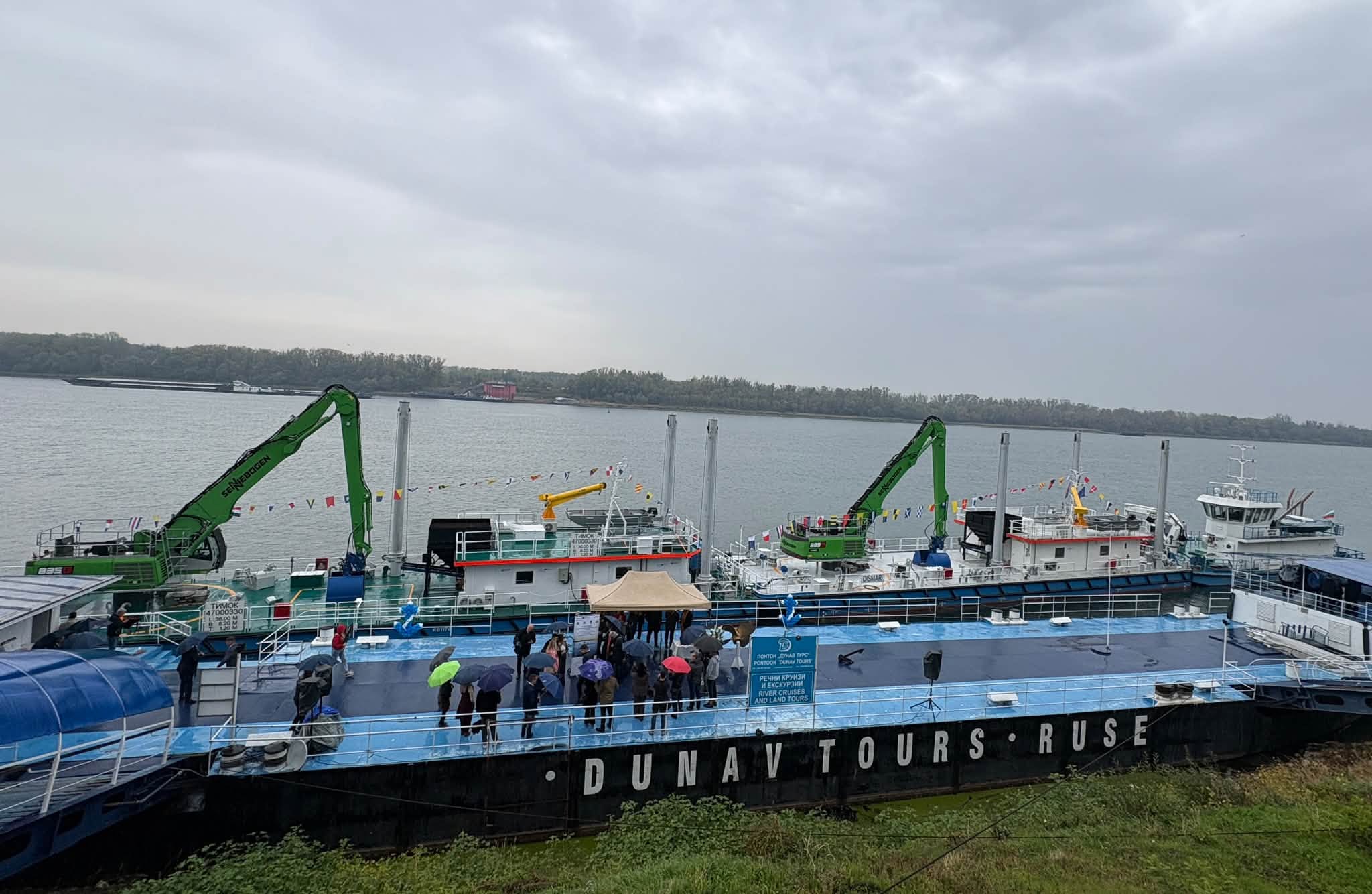
The anniversary celebrations included the official launch of a commemorative postage stamp marking the agency’s 70th anniversary. On October 22, the celebrations continued with the official naming of two new specialised vessels, Timok and Dismar, designed to maintain navigation signs along the shared Bulgarian–Romanian section of the Danube.
The conference took place within the framework of Bulgaria’s 2026 Presidency of the EU Strategy for the Danube Region.
Commentary by the Institute of Danube Research
According to the Institute of Danube Research (IDR), the Bulgarian agency’s 70 years of experience highlight the strategic importance of systematic hydrological monitoring, maintaining navigable depths and coordinating waterway management internationally.
Amid climate change and increasingly prolonged periods of low water levels, ensuring reliable navigation is becoming one of the most significant challenges facing the Danube region’s transport system.
Insufficient navigable depths directly affect vessel loading capacity, transport costs, corridor throughput and the competitiveness of Danube ports.
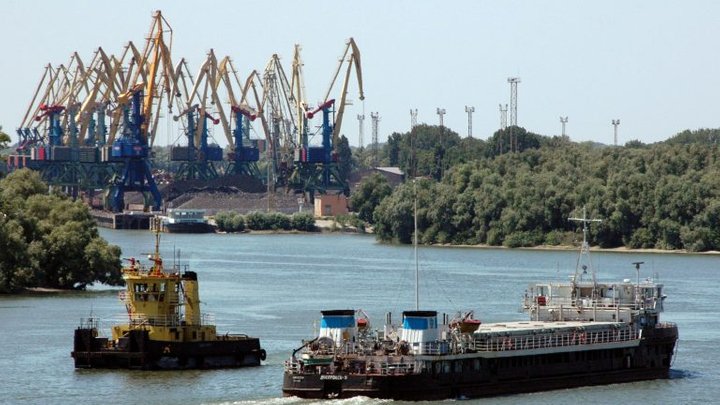
For Ukraine, these challenges are particularly important given the strategic role of the ports of Izmail and Reni in supporting international trade and their integration into European logistics networks.
The IDR considers closer cooperation between Ukraine, Bulgaria, Romania and other Danube countries particularly promising in hydrological data exchange, digitalisation of River Information Services, low-water forecasting and coordinated navigation maintenance.
Developing joint approaches to adapting Danube transport infrastructure to climate change, while respecting environmental requirements and sustainable water management principles, should become a regional priority.
The future of Danube navigation will depend not only on modernising individual waterway sections but also on the ability of Danube countries to establish a coordinated system for managing navigation, infrastructure and water resources.
Such an approach can strengthen the long-term resilience of Danube transport and reinforce the region’s importance within the European economy.

 Romania

 Hungary
 Ukraine


 Moldova


 Danube


 Serbia