

Moldova launches “Mile 72” mechanism for agricultural cargo transshipment on the Danube
 Moldova
20.10.2026
A logistics mechanism known as “Mile 72” has become operational near Moldova’s Giurgiulești port complex, enabling grain and other agricultural products to be transshipped outside port berths, according to Logos Press.
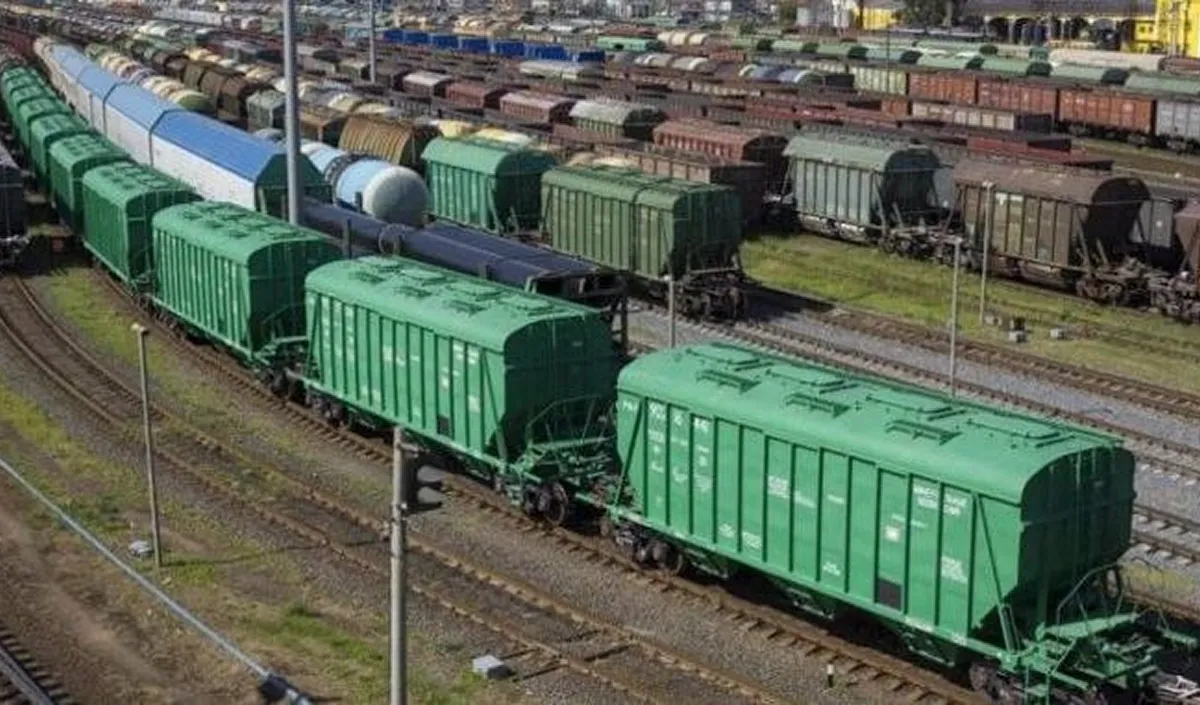
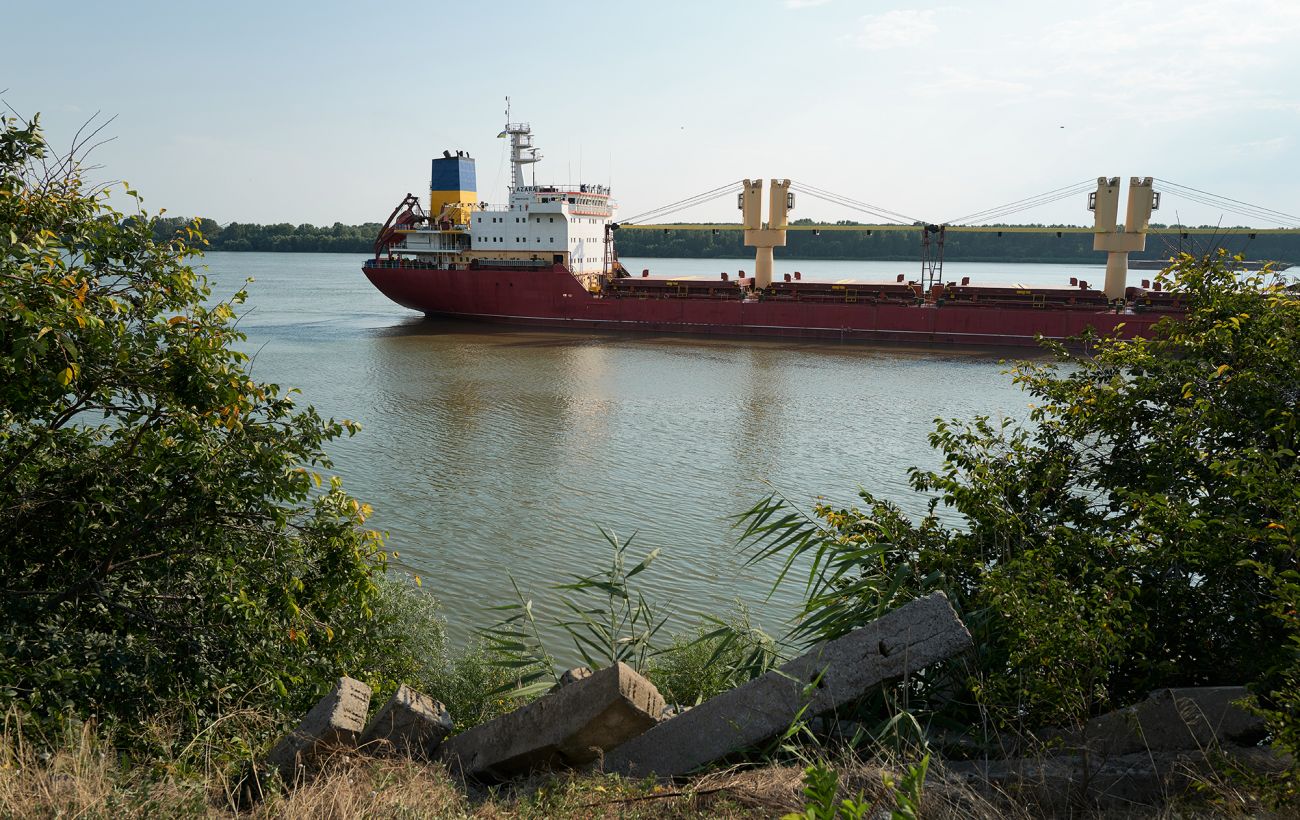
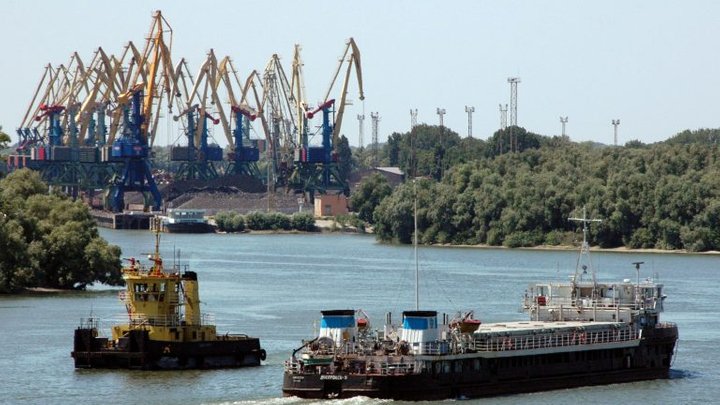
Agricultural cargo is loaded from trucks onto barges at a designated section of the Danube riverbank. A floating crane then transfers the cargo from barges to larger vessels at anchorage.
According to expert estimates cited in the report, the use of the “Mile 72” site could increase the port’s cargo handling capacity by approximately 10%. The mechanism is also expected to accelerate cargo turnover through warehouses and grain elevators and reduce pressure on internal port transport infrastructure.
The launch resulted from cooperation between Moldovan authorities, the port administration and grain businesses. According to the publication, loading operations outside port berths were coordinated with European Commission representatives, while technical preparations, including mapping the site, were undertaken in cooperation with Romania’s Galați regional harbour authority, Căpitănia Zonală Galați.
Commentary by the Institute of Danube Research
The “Mile 72” mechanism illustrates how changes in cargo handling arrangements can increase the capacity of Danube logistics. Moving some transshipment operations beyond port berths could ease local bottlenecks and enable more flexible use of port and river transport capacity.
However, the projected 10% capacity increase remains an anticipated benefit that will require confirmation through actual cargo handling volumes. Economic performance will depend on the cost of additional handling operations, the availability of barges and floating cranes, hydrological conditions and coordination of transport schedules.
For Ukraine’s Danube region, this experience is relevant to the development of interconnected logistics across Ukraine, Moldova and Romania. Such arrangements should be assessed against their overall results: shorter delivery times, transport costs per tonne, and compliance with navigational and environmental safety requirements.

 Romania

 Hungary
 Ukraine





 Bulgaria
 Danube



 Serbia