

Danube Ports Outpace Greater Odesa in Daily Grain Wagon Unloading
 Ukraine
22.10.2026
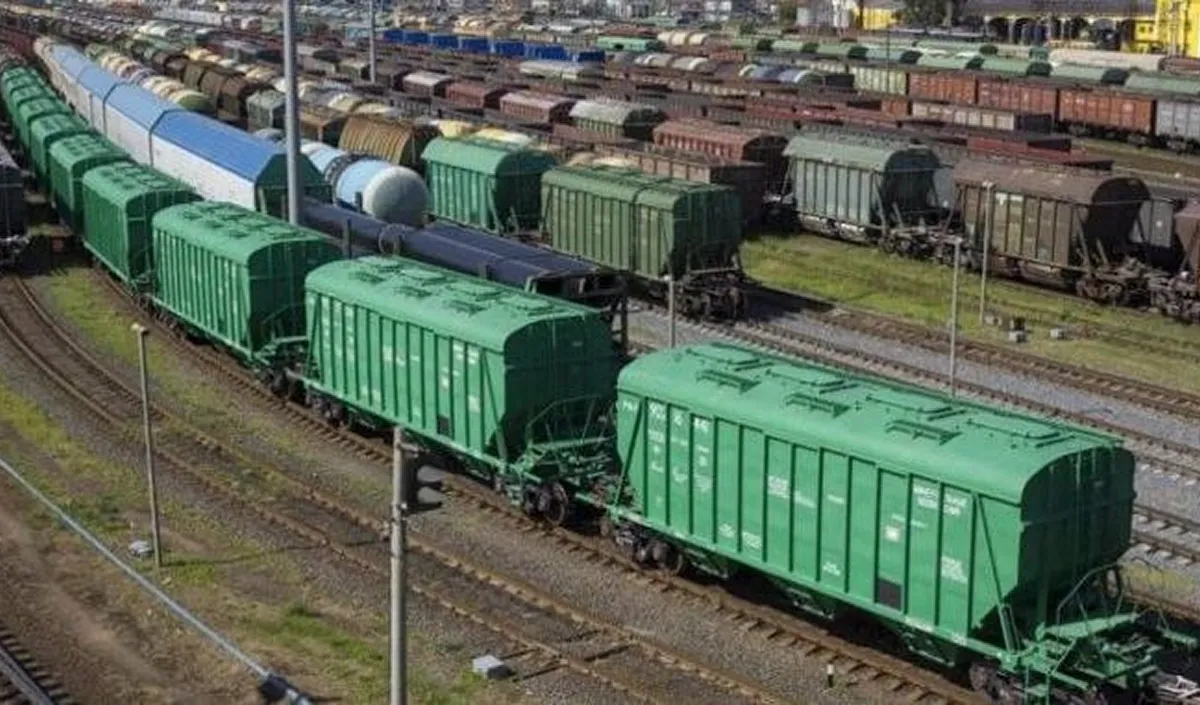
The ports of Izmail and Reni are unloading an average of 2.4 times as many grain wagons per day as the ports of Greater Odesa, highlighting the importance of the Danube route for Ukraine’s agricultural export logistics.
According to Passenger Transport, citing Valeriy Tkachov, Deputy Director of Ukrzaliznytsia’s Department of Transportation Technology and Commercial Operations, average daily unloading during the week preceding 15 October reached 78 grain wagons in Izmail and Reni, compared with 32 in Greater Odesa.
A total of 1,269 grain wagons were heading towards the Danube ports: 575 to Izmail and 694 to Reni. Average daily loading for these destinations stood at 56 wagons. By comparison, 80 grain wagons were heading towards Greater Odesa, with daily loading averaging approximately 10 wagons.
Unloading slowed on both routes. The daily average at the Danube ports fell from 82 to 78 wagons, a decline of approximately 5%, while Greater Odesa recorded a decrease from 42 to 32 wagons, or nearly 24%. The number of grain wagons heading towards Izmail and Reni declined by 15%, from 1,501 to 1,269.
Ukraine’s western border crossings also remained under considerable pressure, with 20,756 wagons waiting, including 4,422 grain wagons. An average of 507 grain wagons crossed the western border each day, primarily towards Hungary, Poland, Romania and Slovakia.
Commentary by the Institute of Danube Research
These figures underscore the contribution of Izmail and Reni to the resilience of Ukraine’s export logistics. However, the lead in grain wagon unloading relates specifically to rail deliveries and does not imply that the Danube ports have surpassed Greater Odesa in total cargo throughput.
The decline in the number of wagons heading towards the Danube ports coincides with slower unloading and is therefore insufficient, on its own, to demonstrate that logistical constraints have eased. A comprehensive assessment must also consider wagon waiting times, vessel availability, terminal capacity and navigation conditions.
The strategic priority is to coordinate rail deliveries, port handling and shipping. Combining Danube, Black Sea and overland routes reduces dependence on any single corridor and strengthens the transport system’s ability to respond to security and hydrological risks.

 Romania

 Hungary


 Moldova




 Bulgaria
 Danube




 Serbia