

Rising Danube Water Levels Allow Kozloduy NPP to Increase Unit 5 Output
 Bulgaria
02.09.2026
Bulgaria
02.09.2026
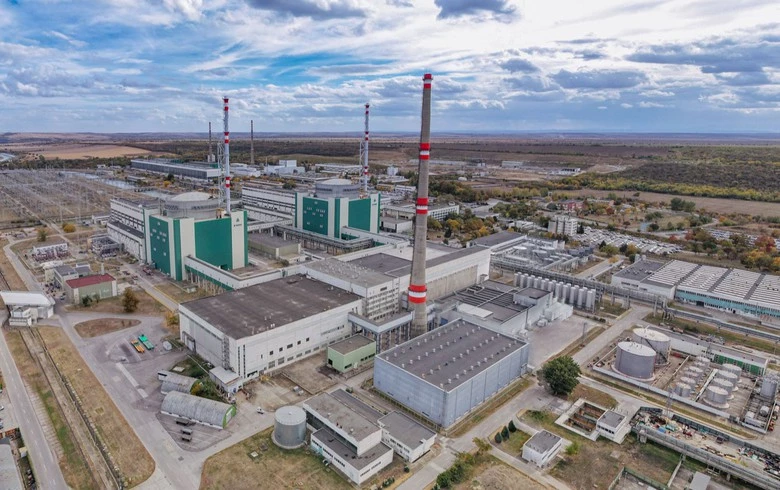
Bulgaria’s Kozloduy Nuclear Power Plant has begun gradually restoring the output of Unit 5 following an improvement in the Danube’s hydrological conditions.
The planned increase began at 10:00 on 31 August. By 17:00, the unit had reached 950 MW. The decision to return to normal operation was taken after water levels rose along the Bulgarian section of the Danube over several days, Kozloduy NPP reported.
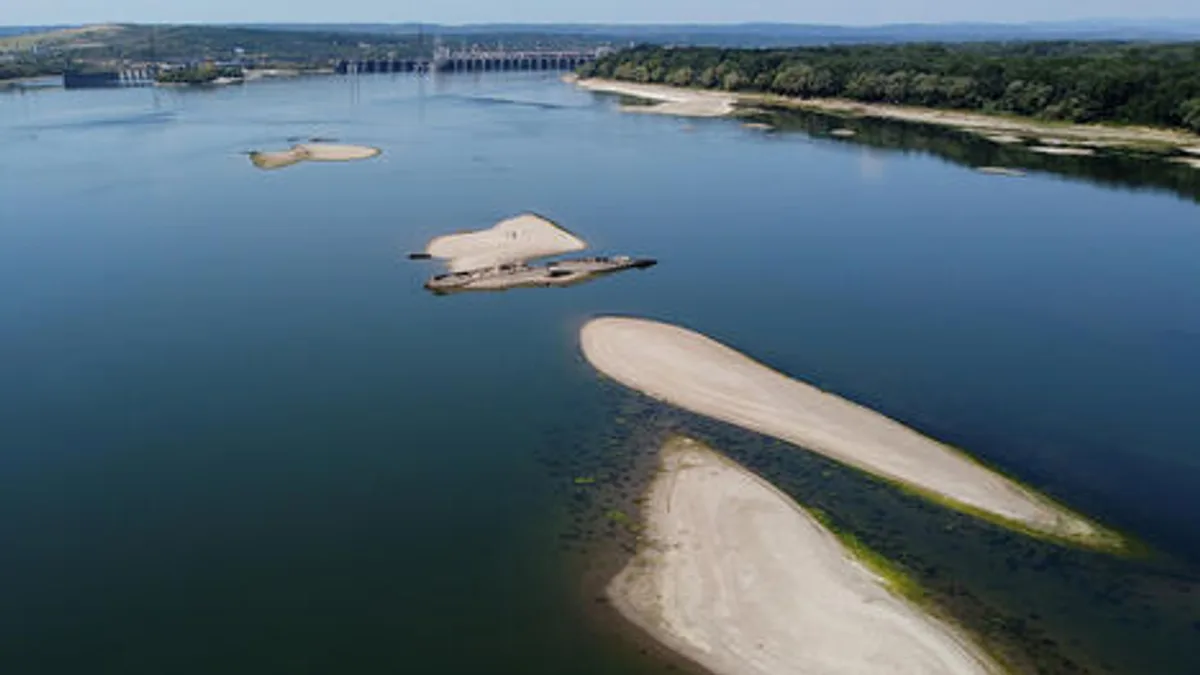
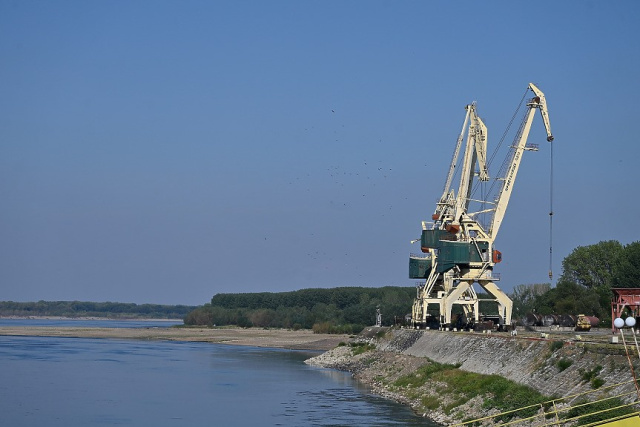
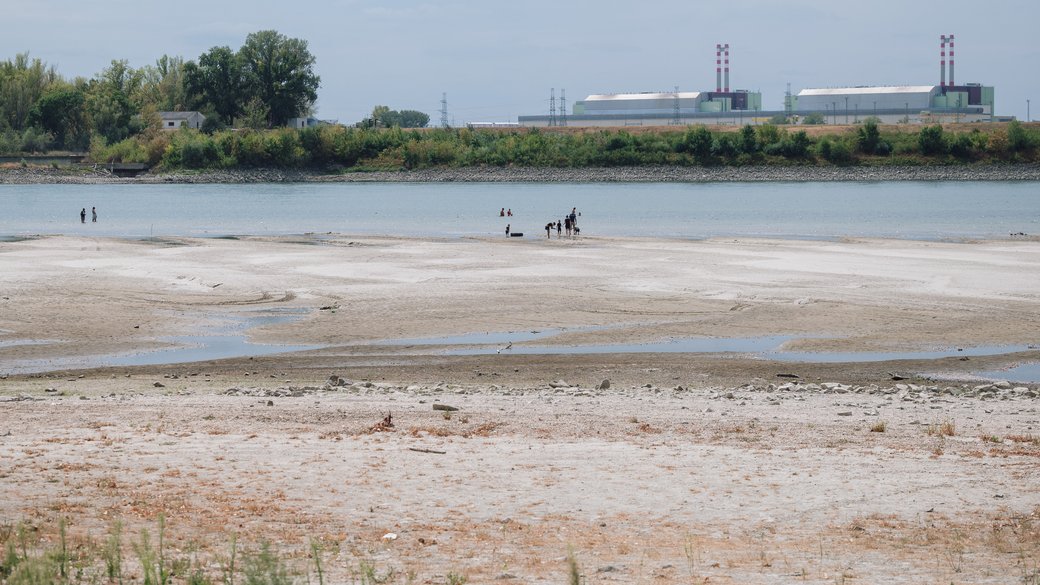
Unit 5’s output had been preventively reduced by approximately 120 MW on 21 August due to unprecedentedly low river levels. Unit 6, which also has a nominal capacity of 1,000 MW, continued operating without a similar reduction.
The Bulgarian government is also considering a hydraulic engineering project near the plant to mitigate the effects of prolonged low-water conditions on its technical water supply.
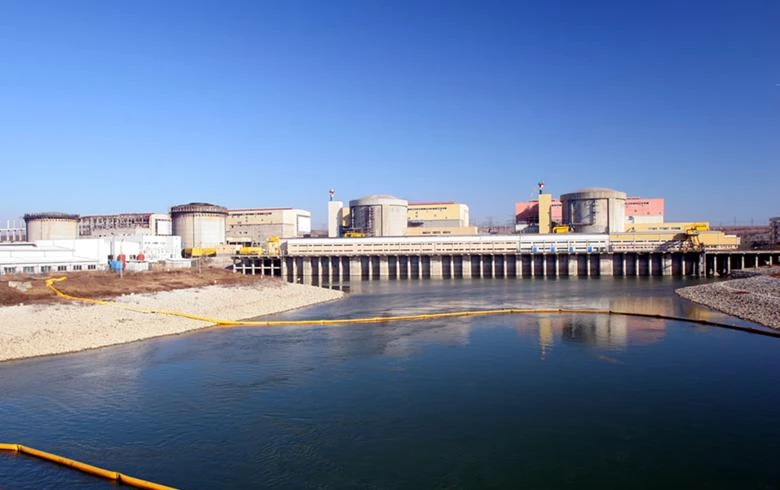
The situation reflects a broader regional problem. The first unit of Romania’s Cernavodă NPP was shut down in late July because of critically low Danube levels. On 13 August, the controlled shutdown of Unit 2—the station’s last operating reactor—began, temporarily leaving Romania without nuclear generation.
Comment by the Institute of Danube Research
The restoration of Unit 5’s output demonstrates the direct dependence of energy-system stability in the Danube region on the river’s hydrological regime. A short-term rise in water levels may allow generating capacity to return, but it does not eliminate the systemic risks associated with prolonged droughts and higher water temperatures.
Developments at Kozloduy and Cernavodă show that low water levels can no longer be regarded solely as a problem for navigation or agriculture. They have become a regional energy-security factor capable of affecting generation, electricity prices and cross-border power flows.
The Danube countries therefore require coordinated response scenarios, modernised technical water-supply systems, additional reserve generation and energy-storage capacity. Joint hydrological monitoring is also essential for the early identification of risks to critical energy infrastructure.


 Hungary
 Romania
 Ukraine
 Moldova
 Serbia

 Danube