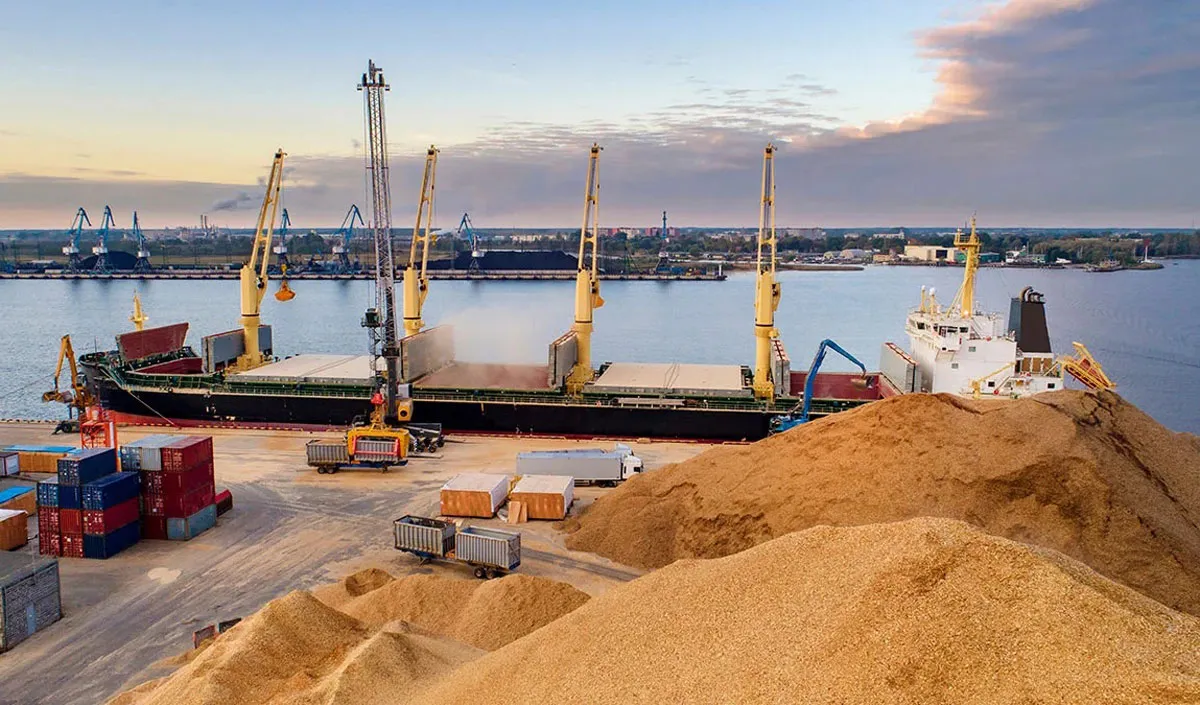


Moldova Invests Over 68 Million Lei in Riverbed Rehabilitation
 Moldova
09.09.2026
Moldova
09.09.2026
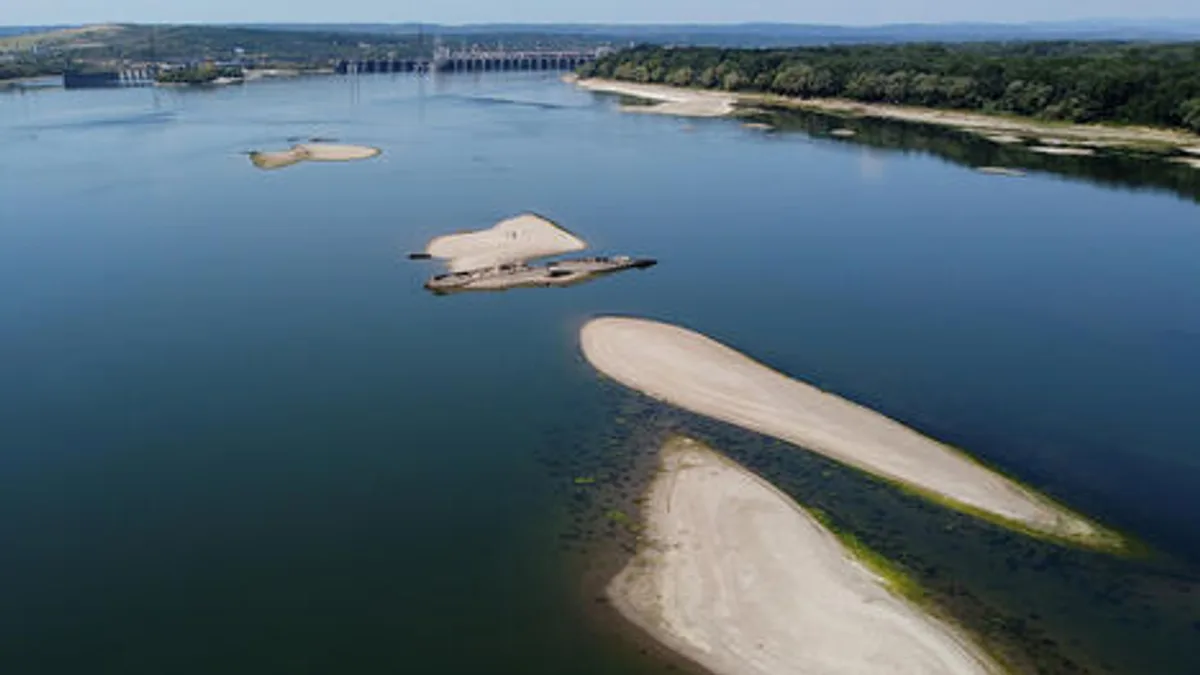
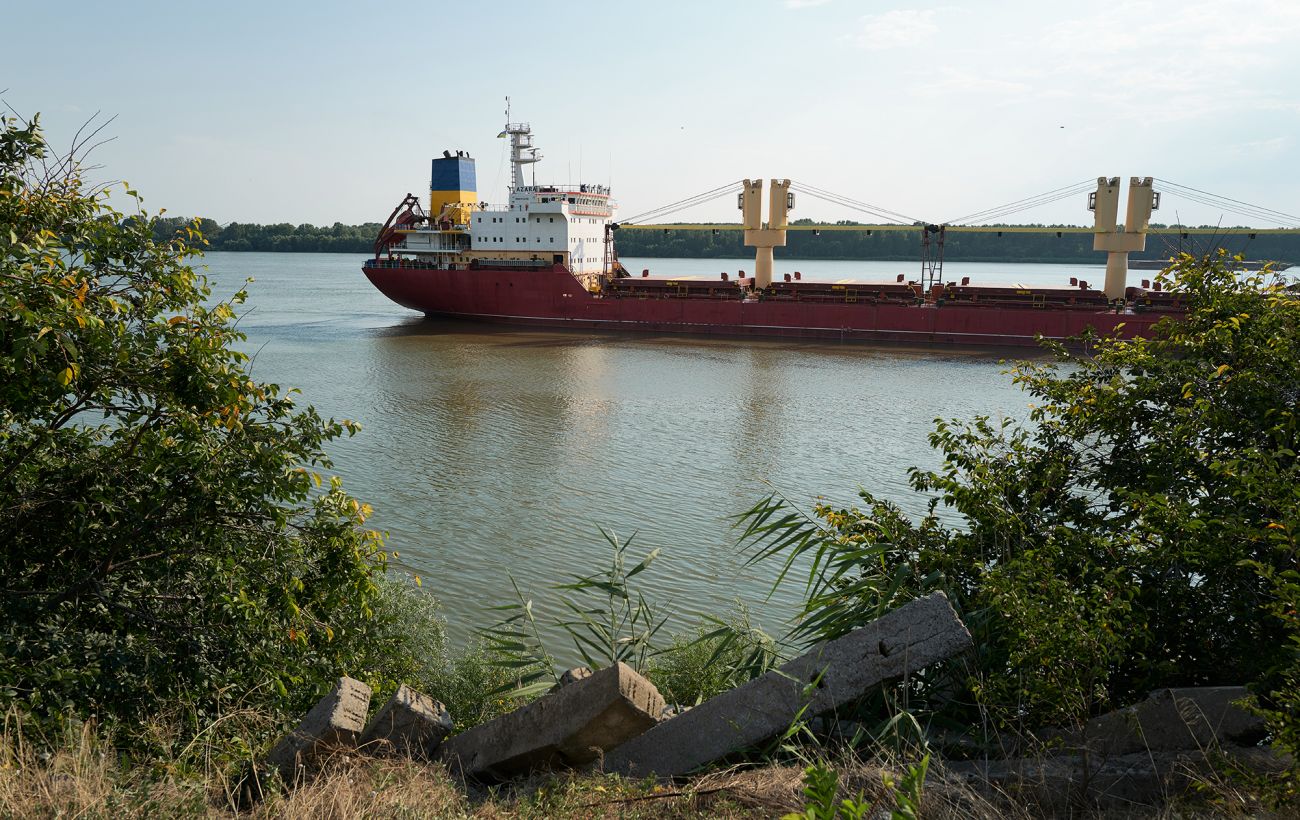
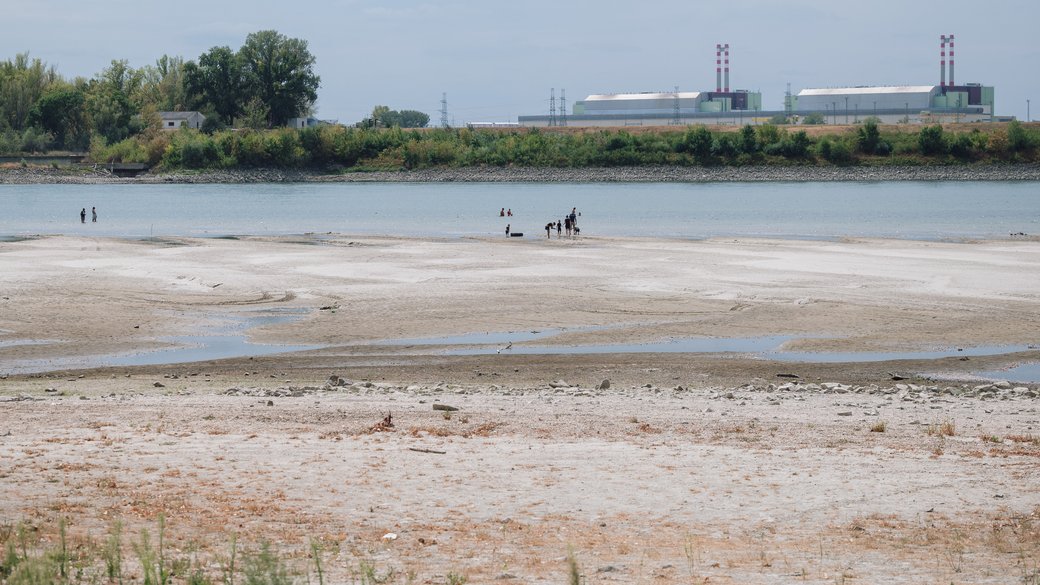
These investments are being implemented against the backdrop of a difficult hydrological situation. In late August and early September, reduced flows persisted across most of Moldova’s small rivers. The Dniester’s discharge was around 30% of the long-term average, while on some sections of the Prut it stood at approximately 20–30%.
Moldova is therefore facing two increasingly relevant and seemingly opposite risks at the same time: prolonged water shortages and the threat of local flooding. River rehabilitation is consequently becoming part of a broader policy aimed at adapting the country’s water management system to climate change.
Comment by the Institute of Danube Research
The Institute of Danube Research notes that riverbed cleaning and rehabilitation are necessary elements of water management policy, but they cannot by themselves solve the problem of water scarcity.
For the Dniester, Prut and Danube basins, integrated water resource management is becoming increasingly important. It should include not only engineering works, but also the restoration of floodplains and wetlands, preservation of the natural capacity of landscapes to retain water, modernization of monitoring systems and creation of reserves for periods of low water availability.
At the same time, any dredging or straightening of river channels should be based on hydrological and environmental assessments, since excessively rapid drainage may conflict with the strategic objective of retaining water within the basin during droughts.
For Moldova, the issue also has a clear cross-border dimension. The sustainability of its water supply depends on processes throughout the Dniester and Prut basins and therefore requires permanent coordination with Ukraine and Romania.
According to the IDR, Moldova’s current investments should be viewed as part of a transition towards a climate-adapted water security model, in which flood prevention, drought resilience and protection of river ecosystems are addressed within a single integrated policy.

 Bulgaria
 Hungary
 Romania
 Ukraine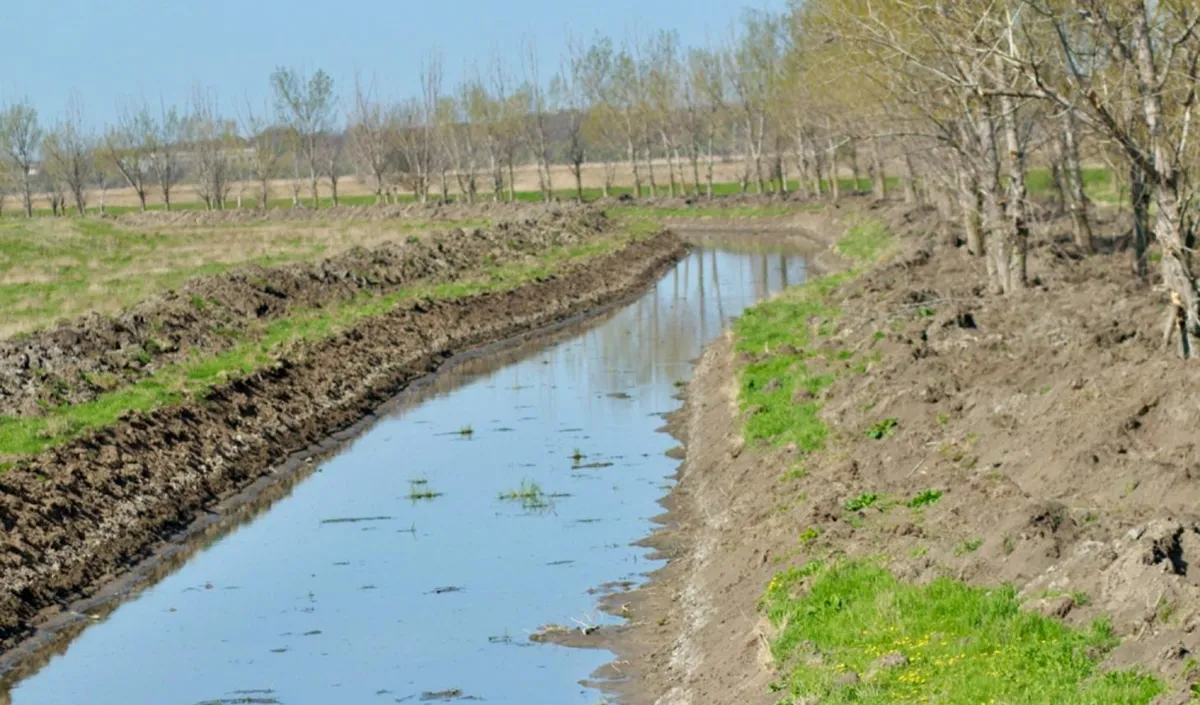
 Serbia
 Danube