

Danube Falls to Dangerous Level Near Calafat, Putting Navigation, Energy and Agriculture Under Pressure
 Romania
03.09.2026
Romania
03.09.2026
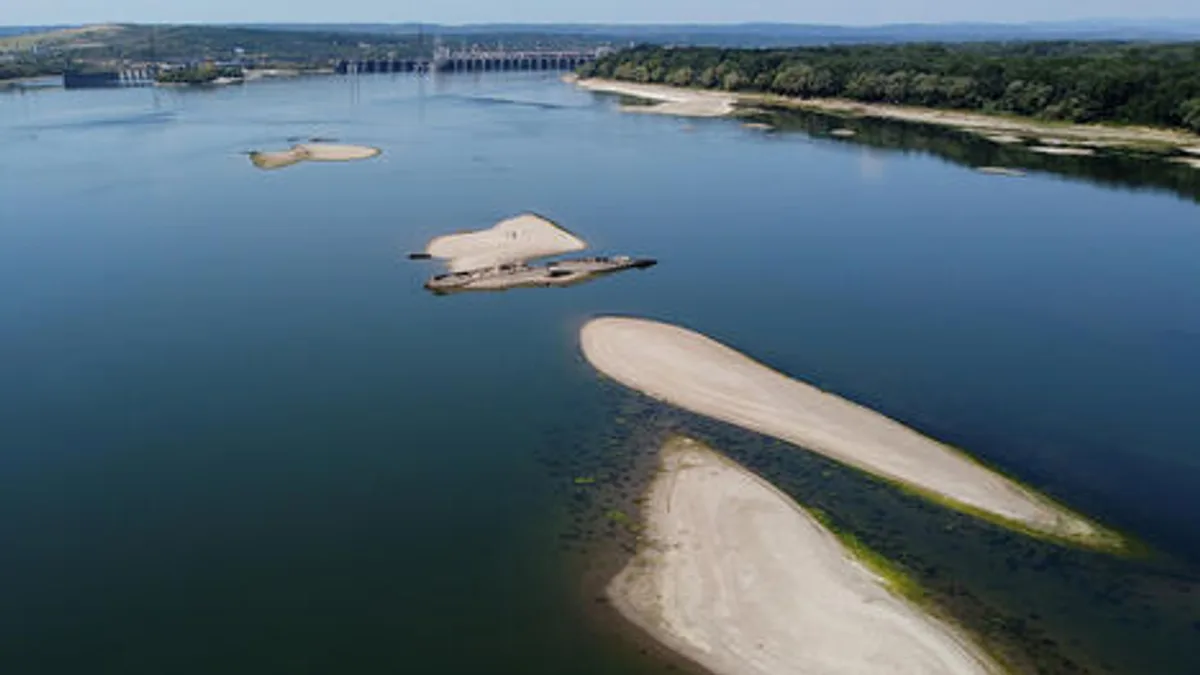
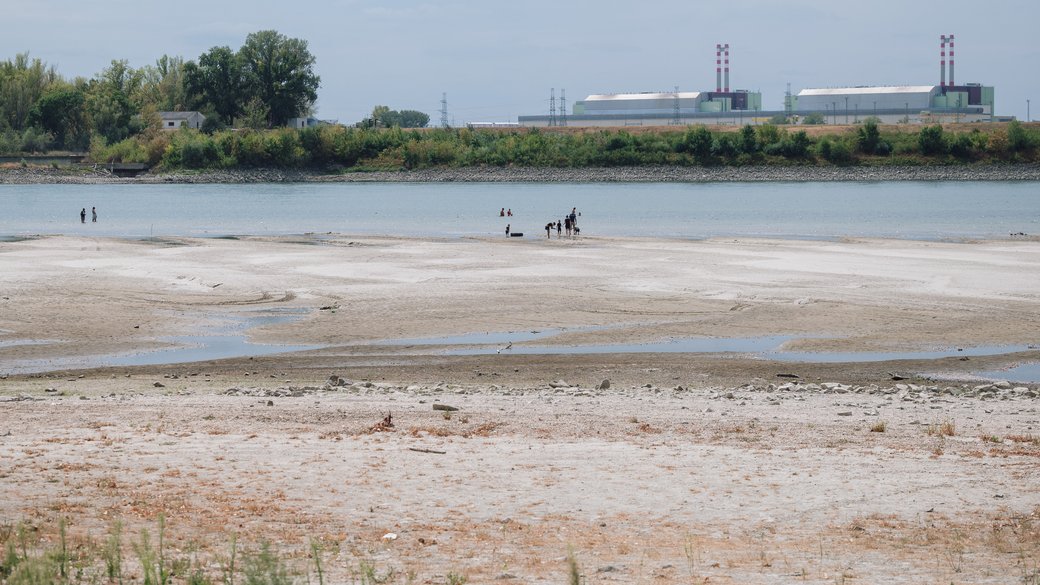
The Danube near the Romanian city of Calafat has fallen to critically low levels, severely disrupting navigation along the Calafat–Bechet section and forcing some port operations to halt. Prolonged drought and high temperatures have exposed large stretches of sand and dry riverbed.
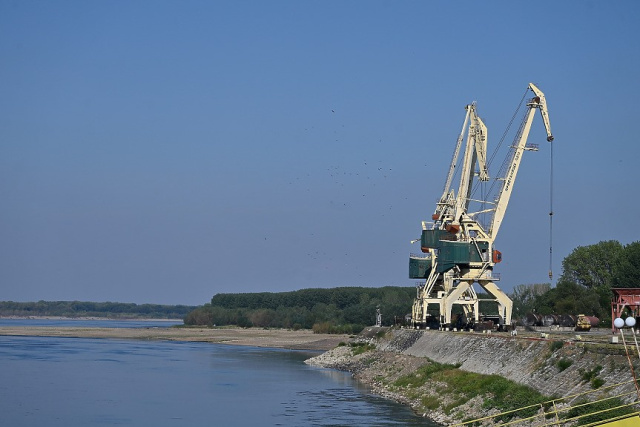
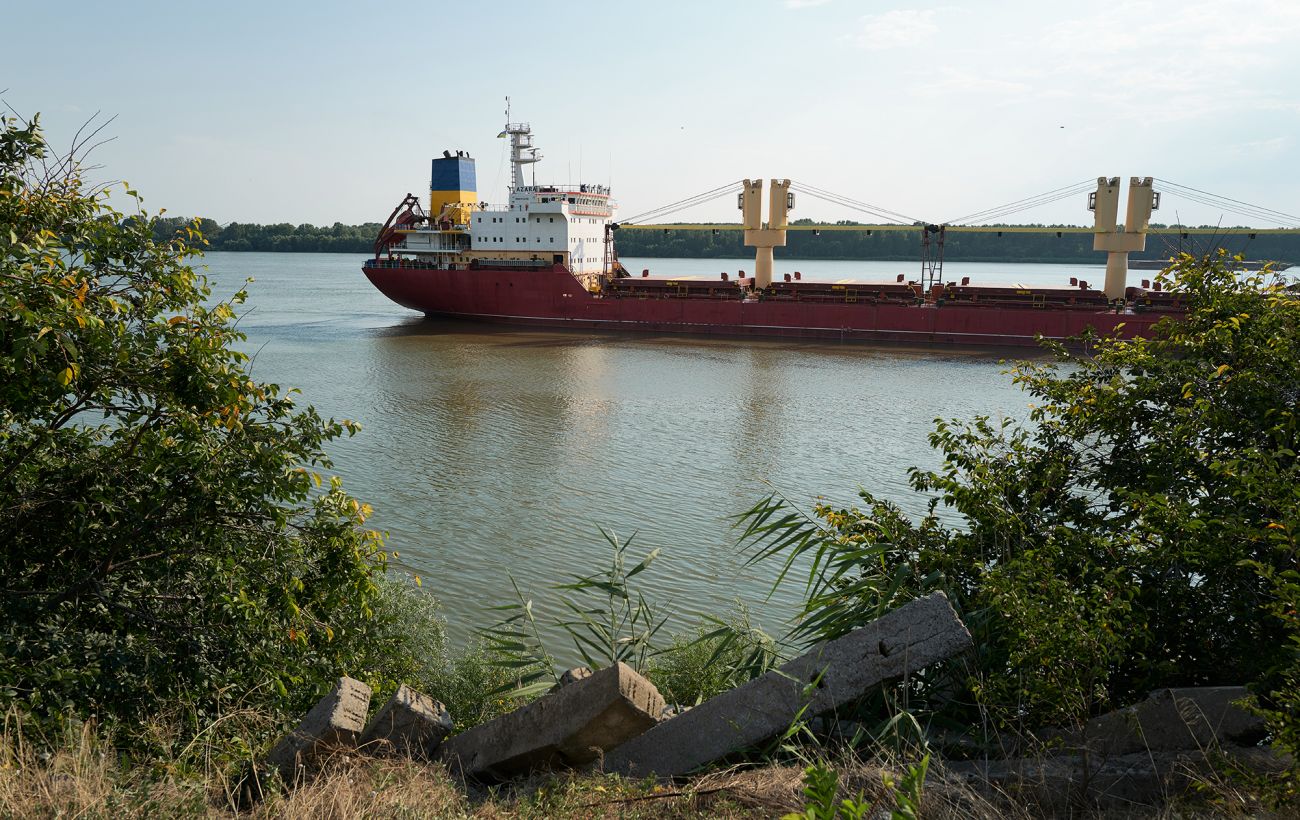
Insufficient navigation depths have left dozens of commercial vessels and barges unable to continue their journeys or reach port berths. The Calafat–Bechet sector is among the most affected, with restrictions already disrupting grain shipments and other bulk cargo operations.
Passenger navigation has also been affected. Some cruise and tourist vessels travelling upstream, particularly around Drobeta-Turnu Severin, have suspended operations.
According to the Turnu Severin port authorities, recent local rainfall has raised the water level by only 2–3 centimetres. This remains insufficient to restore normal navigation. Experts estimate that substantially higher water levels are required before regular traffic can resume on the most problematic sections.
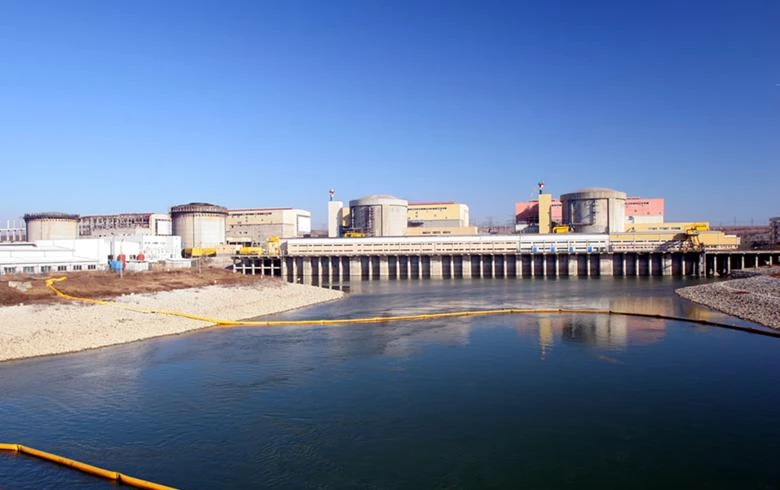
The situation is also affecting the Iron Gates hydropower complex. Current Danube discharge is reported to be only around one-third of the level considered necessary for efficient electricity generation.
Agriculture in the Oltenia region is facing similar difficulties. Several irrigation systems along the river have been restricted or suspended, leaving thousands of hectares of farmland without sufficient access to water.
Romanian authorities hope conditions may begin to improve by mid-September if heavier rainfall reaches the upper Danube basin.
According to Bulgaria’s Executive Agency for Exploration and Maintenance of the Danube River in Ruse, several monitoring stations recorded slight increases over the past 24 hours: 6 centimetres near Silistra, 4 centimetres near Ruse, 2 centimetres near Svishtov and 1 centimetre near Nikopol.
At the same time, levels fell by 3 centimetres near Novo Selo and Lom and by 1 centimetre near Vidin and Oryahovo.
Navigation conditions remain difficult along the Bulgarian stretch of the river. Near Batin Island, a barge that previously ran aground remains stuck in the sand. Although the vessel is outside the main navigation channel, other ships have been advised to exercise additional caution.
Existing vessel draught restrictions remain in force.
Near Ruse, the Danube stood at minus 106 centimetres relative to the reference zero level, with forecasts indicating another slight decline.
Comment by the Institute of Danube Research
The situation in Romania and Bulgaria demonstrates the systemic nature of the current hydrological challenge, which is simultaneously affecting transport, port infrastructure, energy production, agriculture and water-management systems.
For Ukraine, these developments are also directly relevant. The Ukrainian Danube ports remain an important component of the country’s foreign trade, while reliable navigation along the middle and lower Danube determines the efficiency of logistics routes connecting Ukraine with Central and Western Europe.
Further deterioration of navigation conditions may reduce permissible vessel loading, increase transport costs, constrain available tonnage and create additional delays at difficult sections of the fairway.
The Institute of Danube Research believes that the recurrence of such crises requires a coordinated long-term adaptation policy for the entire Danube region. Its key elements should include systematic hydrological risk monitoring, closer coordination between port and navigation authorities, modernisation of transport and water infrastructure, development of alternative logistics routes, and preparation of energy and agricultural systems for longer periods of water scarcity.
The current situation once again demonstrates that Danube water security is increasingly becoming an integral part of the transport, energy, food and economic security of the entire region.

 Bulgaria
 Hungary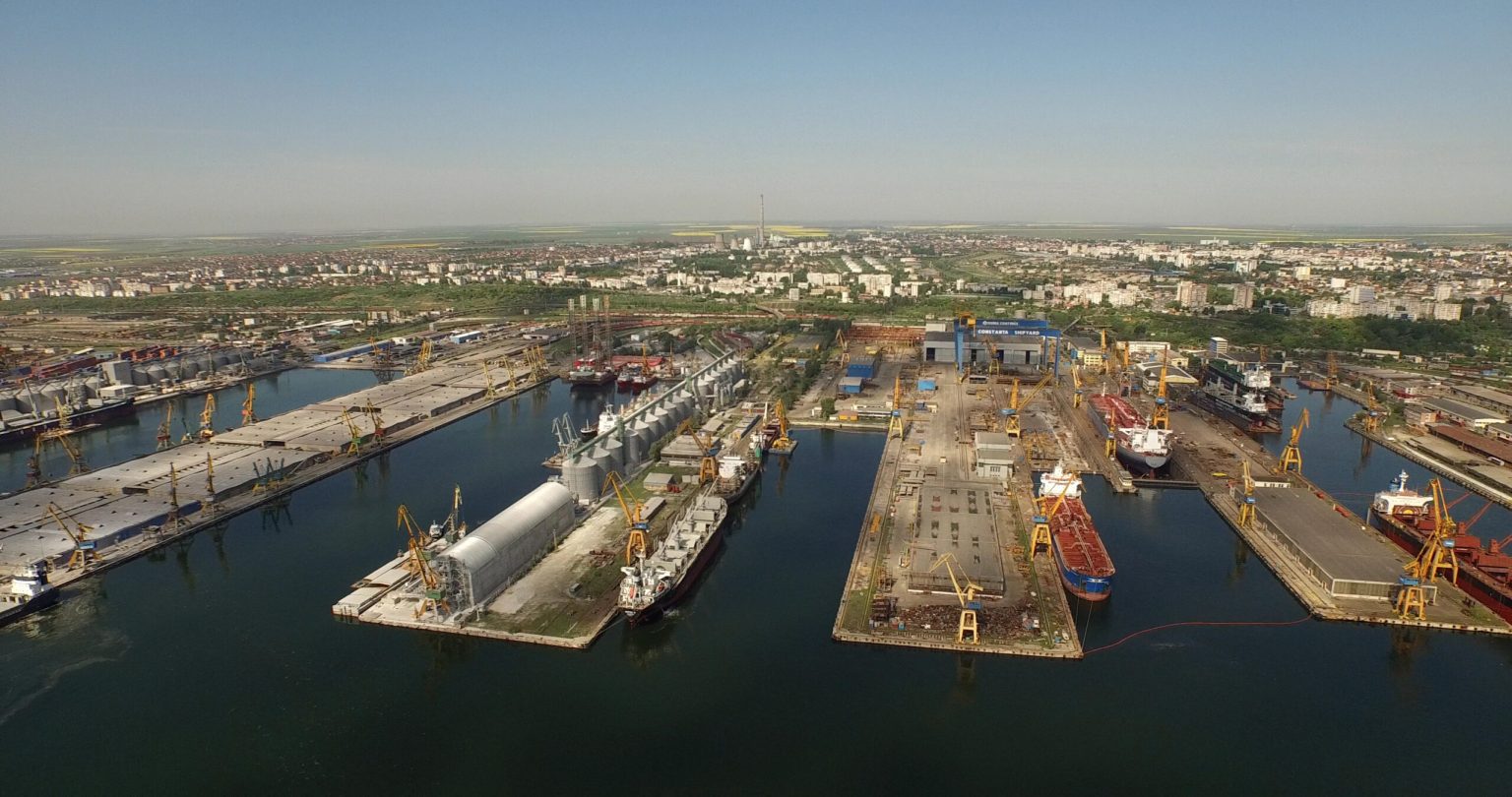

 Ukraine
 Moldova
 Serbia

 Danube