

EU Sees the Danube Corridor as the Most Promising Alternative for Ukrainian Agricultural Exports
 Ukraine
09.09.2026
Ukraine
09.09.2026
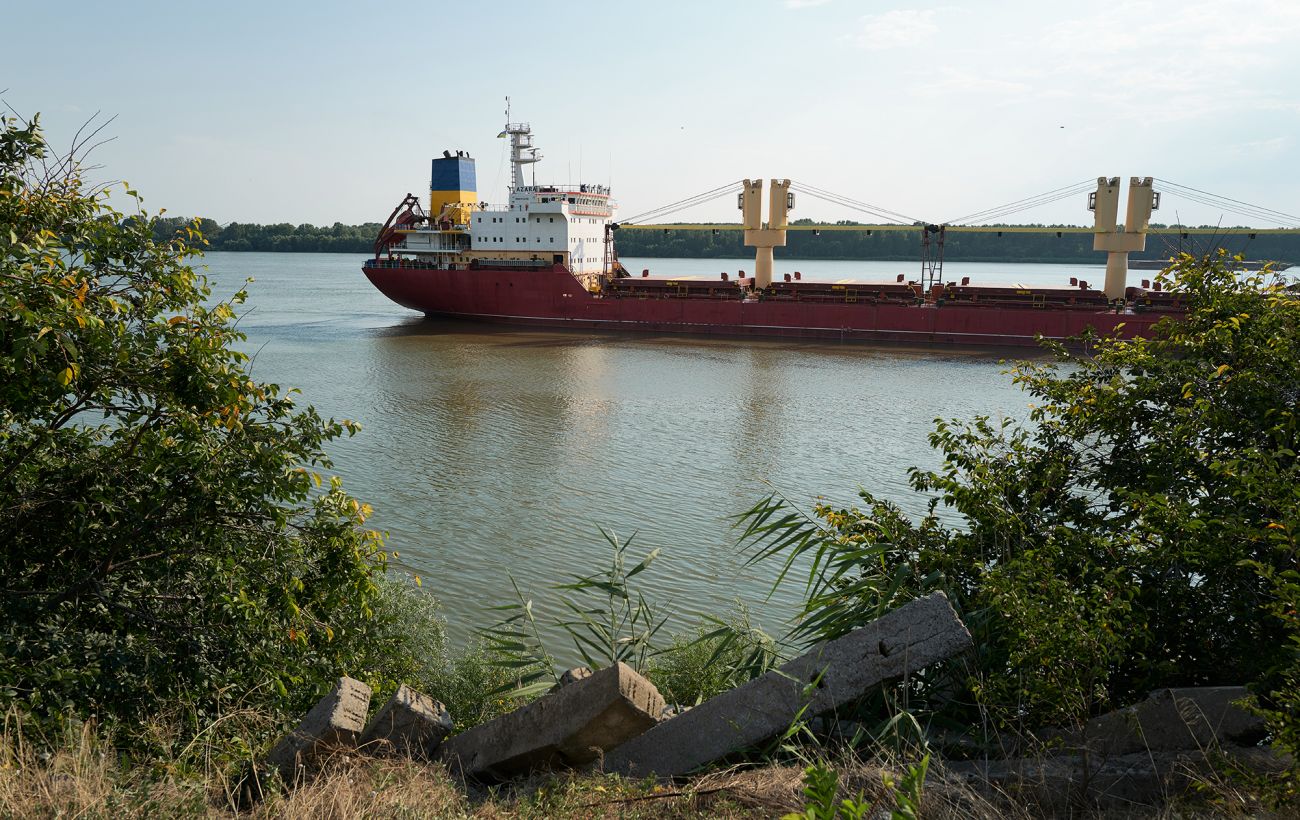
The European Union will continue supporting access of Ukrainian agricultural products to international markets amid intensified Russian attacks on Ukraine’s seaports and transport infrastructure. According to the European Commission, the Danube corridor currently remains the most promising alternative in terms of potential capacity.
The European Commission notes that it is closely monitoring the situation in the Black Sea and assessing the consequences of disrupted logistics not only for Ukraine’s agricultural sector and economy, but also for global food security.
As risks to maritime navigation increase, the Commission remains in constant contact with Ukraine and neighbouring countries. One of the key instruments continues to be the EU–Ukraine Solidarity Lanes, through which the European Union is working to adapt transport capacity to growing demand for alternative export routes.
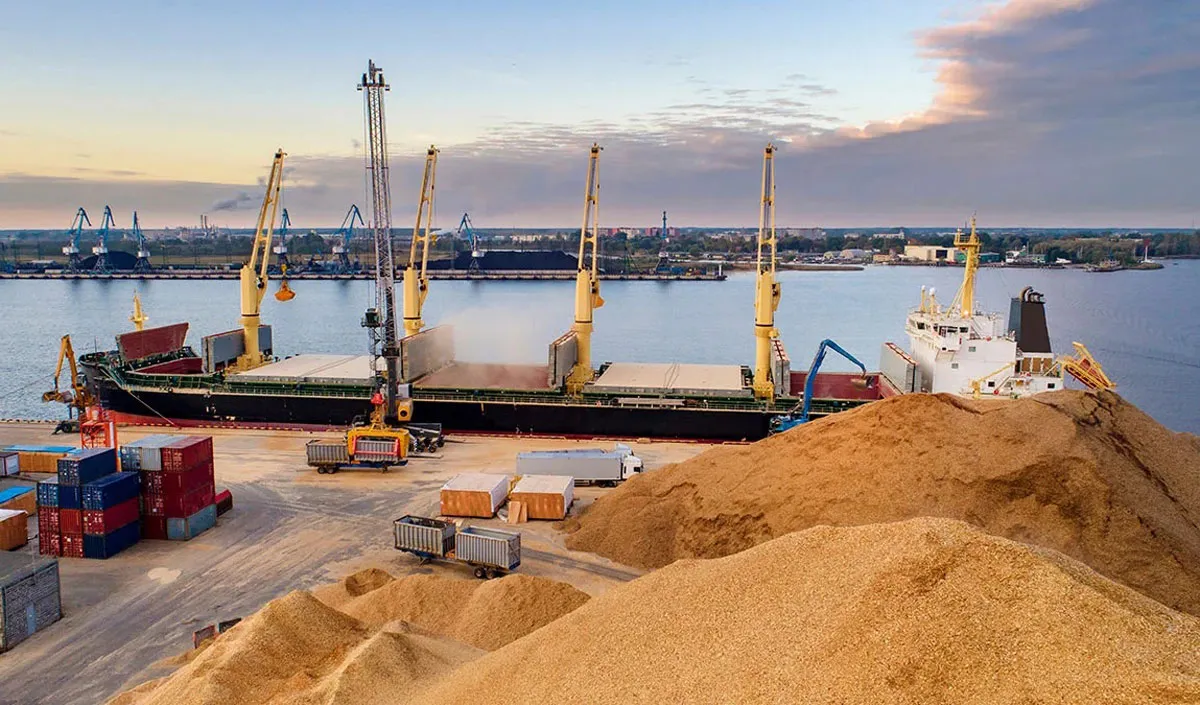
Since May 2022, approximately 103 million tonnes of Ukrainian agricultural products have been exported through the Solidarity Lanes, including around 95 million tonnes of grain, oilseeds and related products. After the restoration of Ukraine’s maritime corridor, however, the bulk of agricultural exports shifted back to the Black Sea.
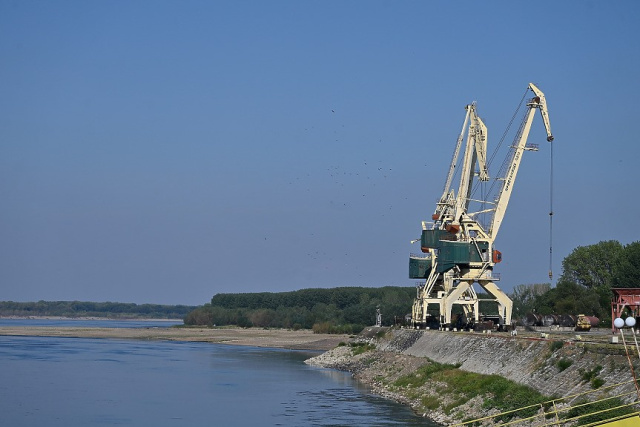
The renewed wave of attacks against port and transport infrastructure is once again increasing the strategic importance of the Danube route. This primarily concerns the Ukrainian ports of Izmail, Reni and Ust-Dunaisk, further cargo transportation along the Danube and through Romania, as well as access to port and railway infrastructure within the European Union.
At the same time, the capacity of the Danube corridor depends on a number of factors, including hydrological conditions, vessel availability, navigation speed, the operation of canals and ports, border procedures, railway infrastructure and effective coordination between Ukraine, Romania and Moldova.
Comment by the Institute of Danube Research
The Institute of Danube Research notes that the European Commission’s position effectively confirms a change in the strategic status of the Ukrainian Danube. Before 2022, Danube ports mainly complemented Black Sea logistics. Under wartime conditions, they have become an element of the economic and food security system of both Ukraine and the European Union.
At the same time, the Danube cannot fully replace the deep-water ports of Greater Odesa. Its strategic role lies primarily in creating a resilient alternative system capable of maintaining part of Ukraine’s export flows even in the event of a significant deterioration of the security situation in the Black Sea.
Therefore, the key objective should not be the temporary diversion of cargo to the Danube during crises, but the long-term expansion of the entire Ukraine–Moldova–Romania–EU corridor. This requires synchronization of port, railway and road infrastructure, expansion of transshipment capacity, modernization of border crossings, reduction of vessel transit times and permanent coordination of navigation.
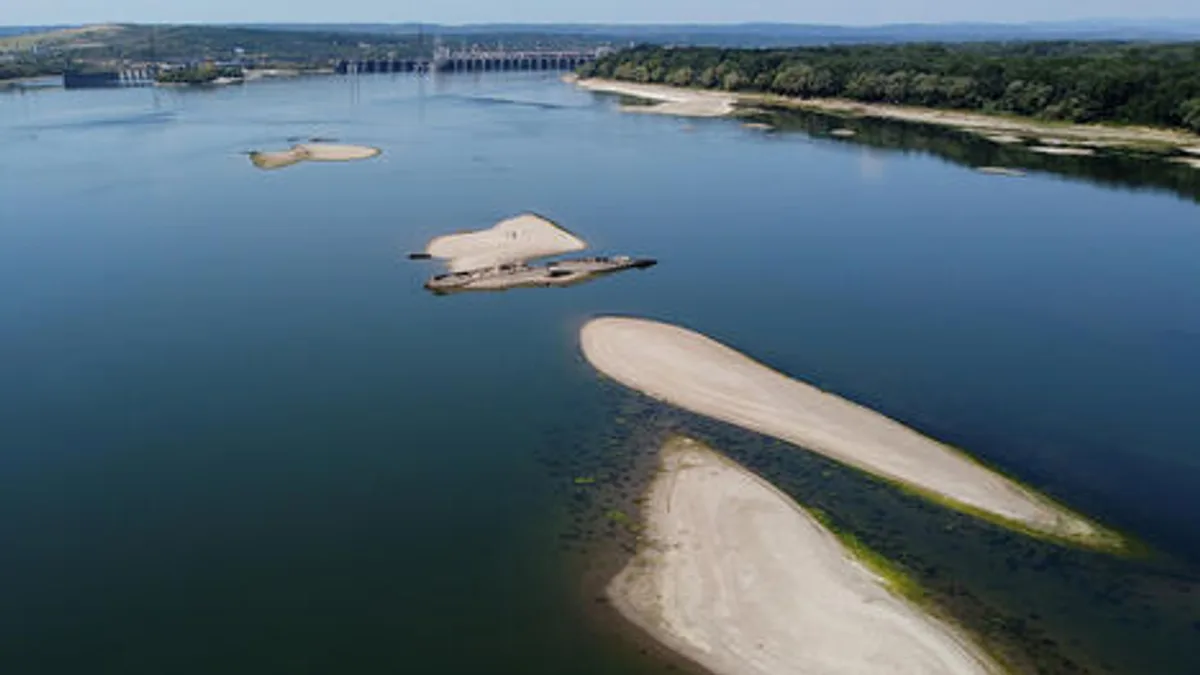
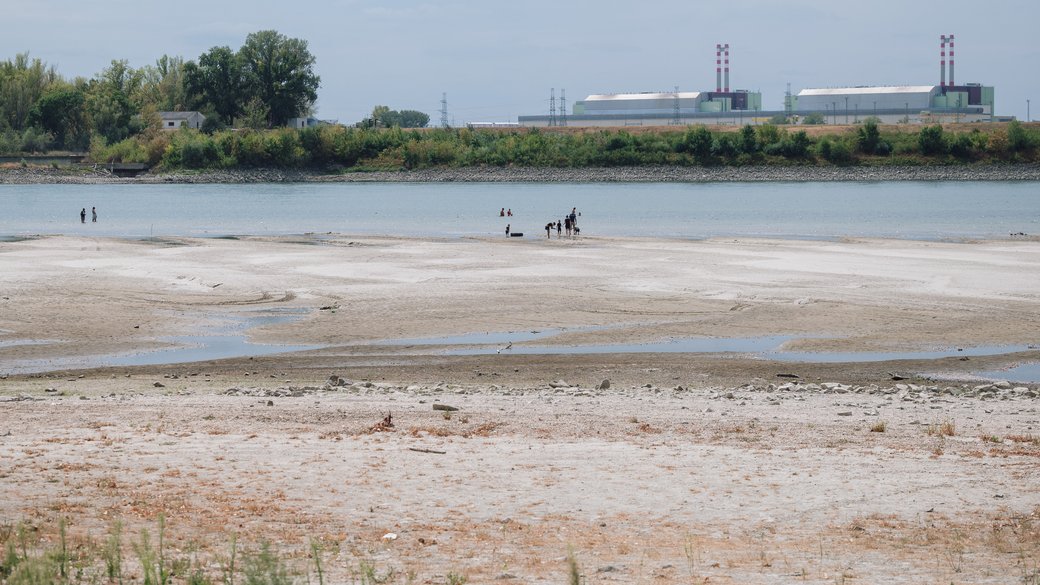
Low water levels are becoming another important factor. Climate change will increasingly influence vessel draught and the actual carrying capacity of the river fleet. The development of the Danube corridor must therefore take into account transport, security and water-related dimensions simultaneously.
According to the IDR, this approach can transform the Danube from a wartime reserve route into a permanent strategic transport corridor, fully integrated into the European Union’s logistics system and capable of strengthening the resilience of Ukrainian exports after the war.

 Bulgaria
 Hungary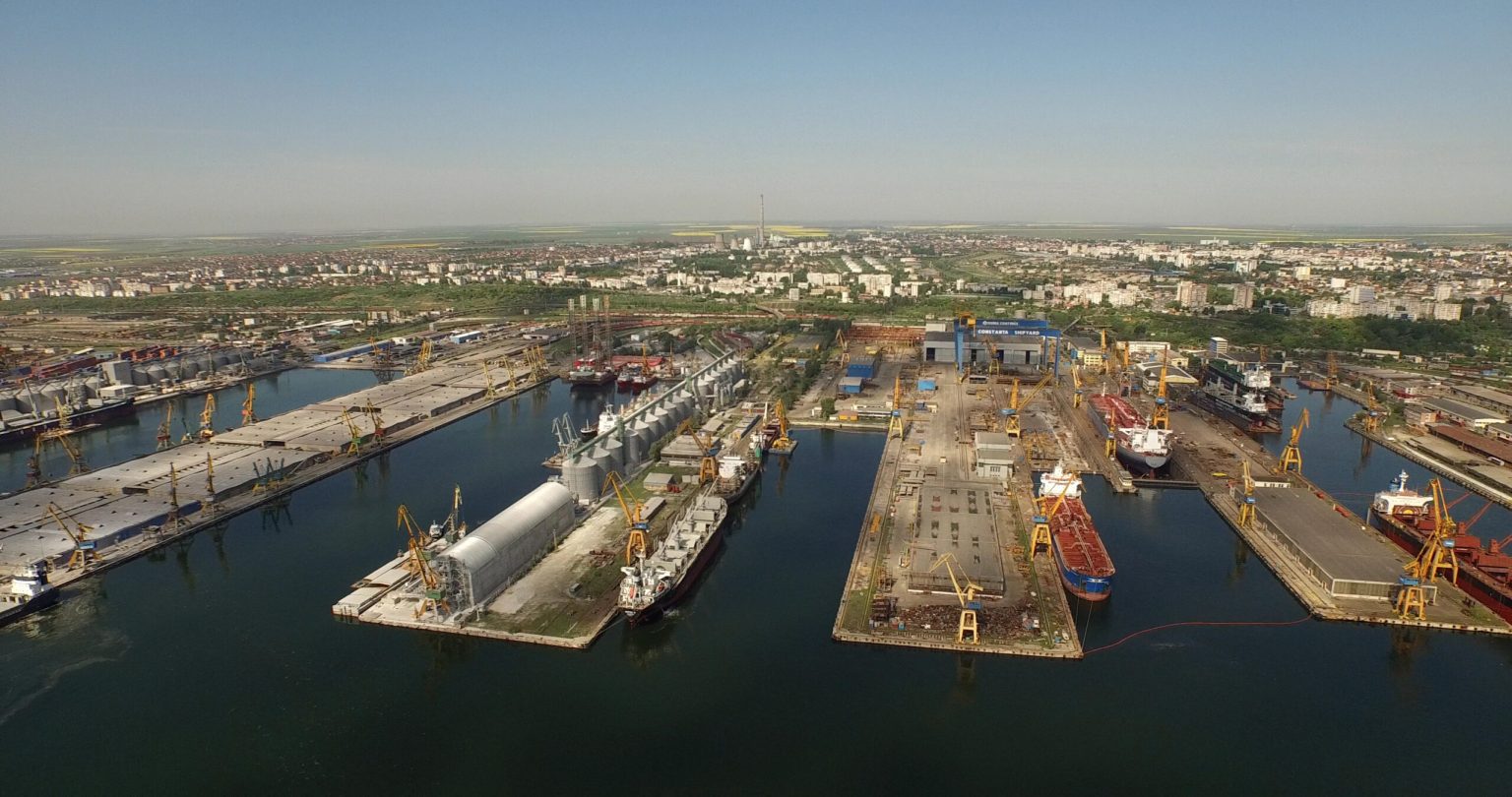
 Romania
 Moldova
 Serbia

 Danube