

Global grain market faces major regional reshaping of trade flows
 Danube
28.08.2026
Danube
28.08.2026
Further disruptions and uncertainty surrounding grain exports from the Black Sea region could lead to a major redistribution of global trade flows.
According to AgResource, if the war-related risks and shipment disruptions persist at least until the end of the year, other exporting countries may have to replace significant volumes of Ukrainian and Russian grain with supplies from alternative regions.
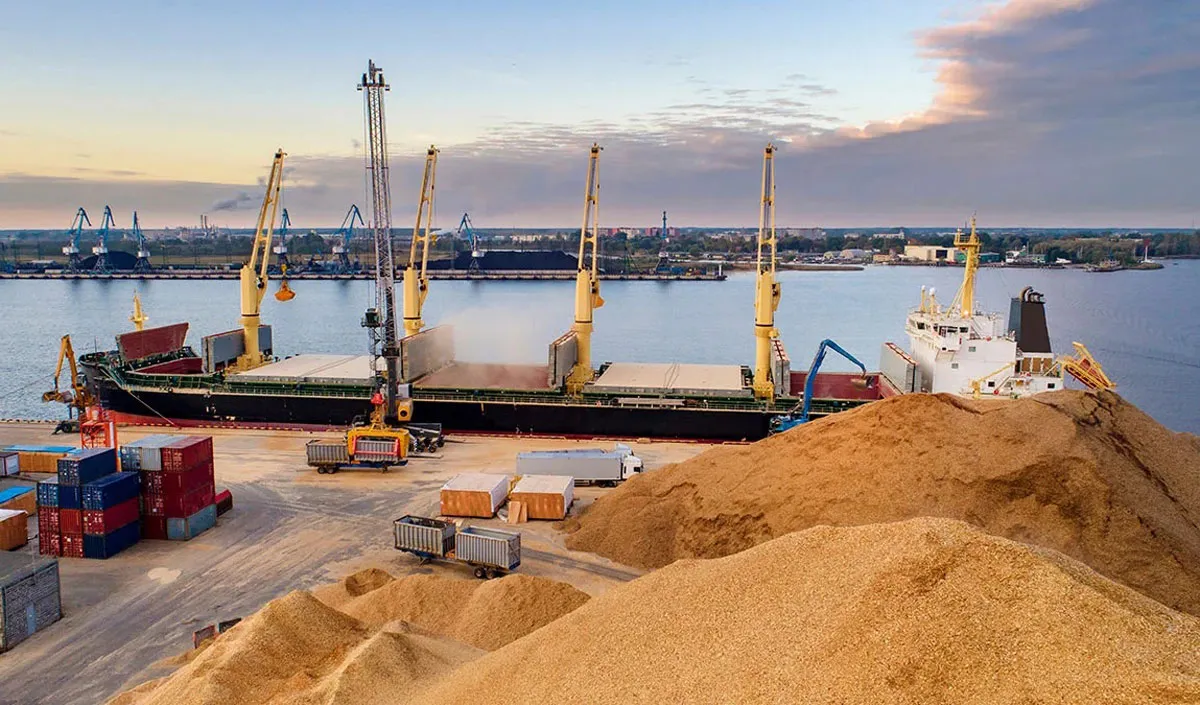
Analysts estimate that approximately 15 million tonnes of wheat and 7–8 million tonnes of corn could be redistributed. This means that a total of around 22–23 million tonnes of grain demand may shift towards alternative suppliers.
The European Union could be the first choice for importers due to its geographical proximity to the Black Sea region. However, drought conditions and deteriorating crop prospects are limiting the ability of European producers to provide the additional volumes of wheat required by the global market.
Among other potential suppliers, analysts highlight Argentina and Australia. However, their new crops will not reach international markets immediately. Argentina's new harvest is expected in November, while larger volumes of new Australian grain are expected to become available for export from late October through November.
This creates a potentially critical time gap during which replacing disrupted Black Sea supplies may be particularly difficult.
Markets are already pricing in Black Sea risks
Growing concerns over exports from Ukraine and Russia are already being reflected in international grain prices.
On 27 August, December wheat futures in Chicago rose by 1.7% to $7.60¾ per bushel, reaching their highest level in three years.
The market is increasingly pricing in the possibility of further disruptions to Black Sea exports, higher logistics costs and the need for importers to seek more distant alternative sources of supply.
Comment by the Institute of Danube Research
The Institute of Danube Research notes that the current situation may no longer be viewed merely as a short-term price fluctuation. It could signal the beginning of a broader regional redistribution of global grain trade flows.
A potential shift of 22–23 million tonnes of grain is significant enough to affect not only the geography of global exports but also port capacity, railway networks, river logistics and demand for shipping tonnage across several regions.
For Ukraine, the key challenge is therefore not only to preserve access to Black Sea export routes, but also to ensure maximum diversification of its logistics.
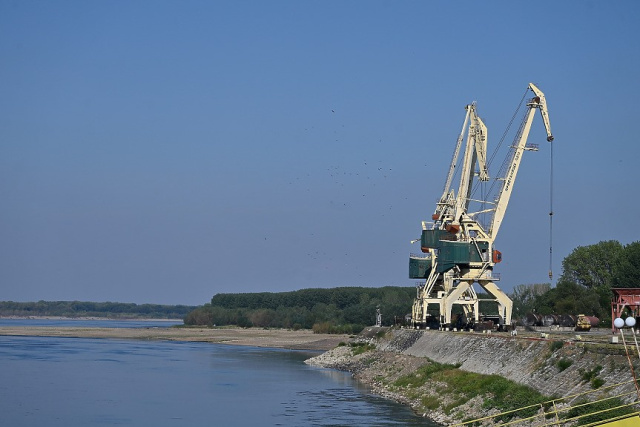
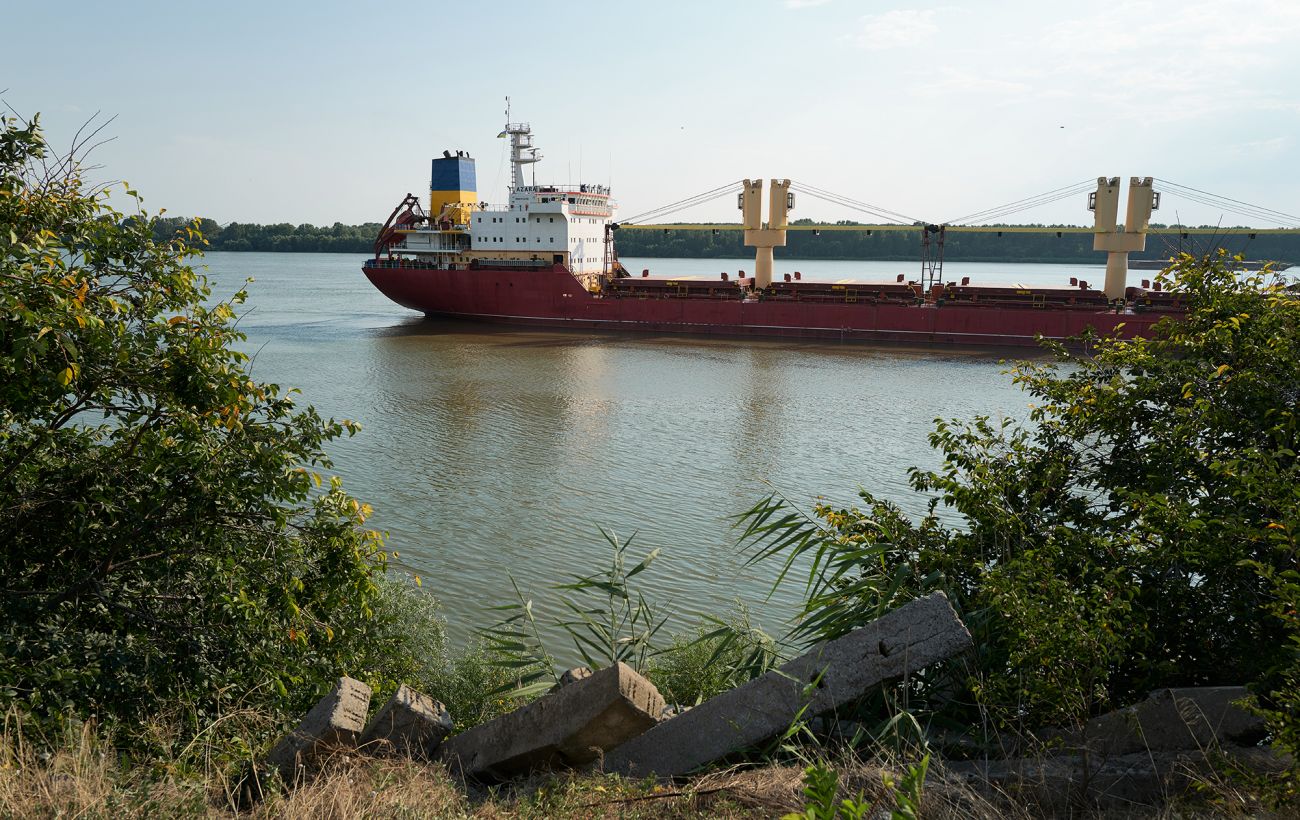
Under these circumstances, the Danube corridor is once again gaining strategic importance — including the ports of Izmail and Reni, the Sulina Channel, Romania's Lower Danube ports and Constanța, Moldova's Giurgiulești port, as well as rail and road corridors through Moldova and Romania.
However, the capacity of the Danube route is not unlimited. Increasing cargo volumes require coordinated investment in navigation, port infrastructure, rail connections, border crossings and cargo-handling capacity.
The present situation once again demonstrates that the Danube should no longer be treated simply as an emergency alternative to Black Sea ports. It should be developed as a permanent, resilient multimodal transport system linking Ukraine, Moldova, Romania and the European Union.
This requires increasing the capacity of the Sulina route, strengthening rail access to Reni and Izmail, making greater use of Moldova's transit potential, coordinating port and railway operations and introducing predictable long-term tariff incentives.
There is also a broader strategic dimension.
If uncertainty in the Black Sea persists, importers in Europe, the Middle East, North Africa and Asia may gradually restructure their traditional supply chains. Argentina, Australia, the United States and other exporting countries could strengthen their positions in markets traditionally supplied by Black Sea grain.
For Ukraine, this means that the competition is not only about the physical ability to export grain today. It is also about retaining long-term positions on global agricultural markets.
The longer logistical disruptions continue, the greater the risk that buyers will establish alternative supply chains, making it more difficult and costly for Ukrainian exporters to regain market share later.
Therefore, the stability of Black Sea and Danube export routes is no longer merely a matter of Ukrainian agricultural trade. It directly affects global food security, international grain prices and the future geography of world agricultural trade.

 Bulgaria
 Hungary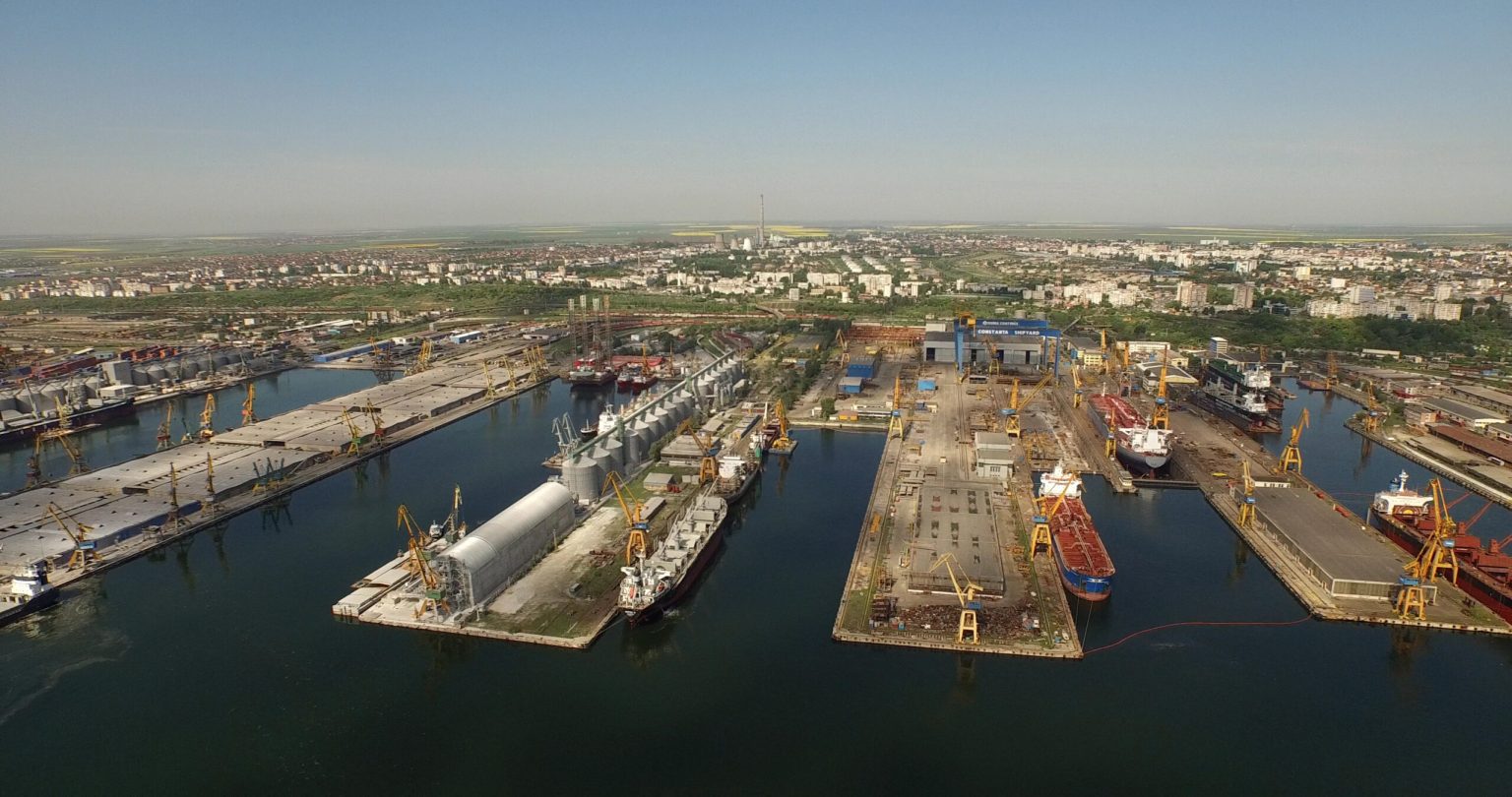
 Romania
 Ukraine
 Moldova
 Serbia