

Ukraine and Romania to establish a joint coordination centre to accelerate vessel traffic through the Sulina Canal
 Ukraine
31.08.2026
Ukraine
31.08.2026
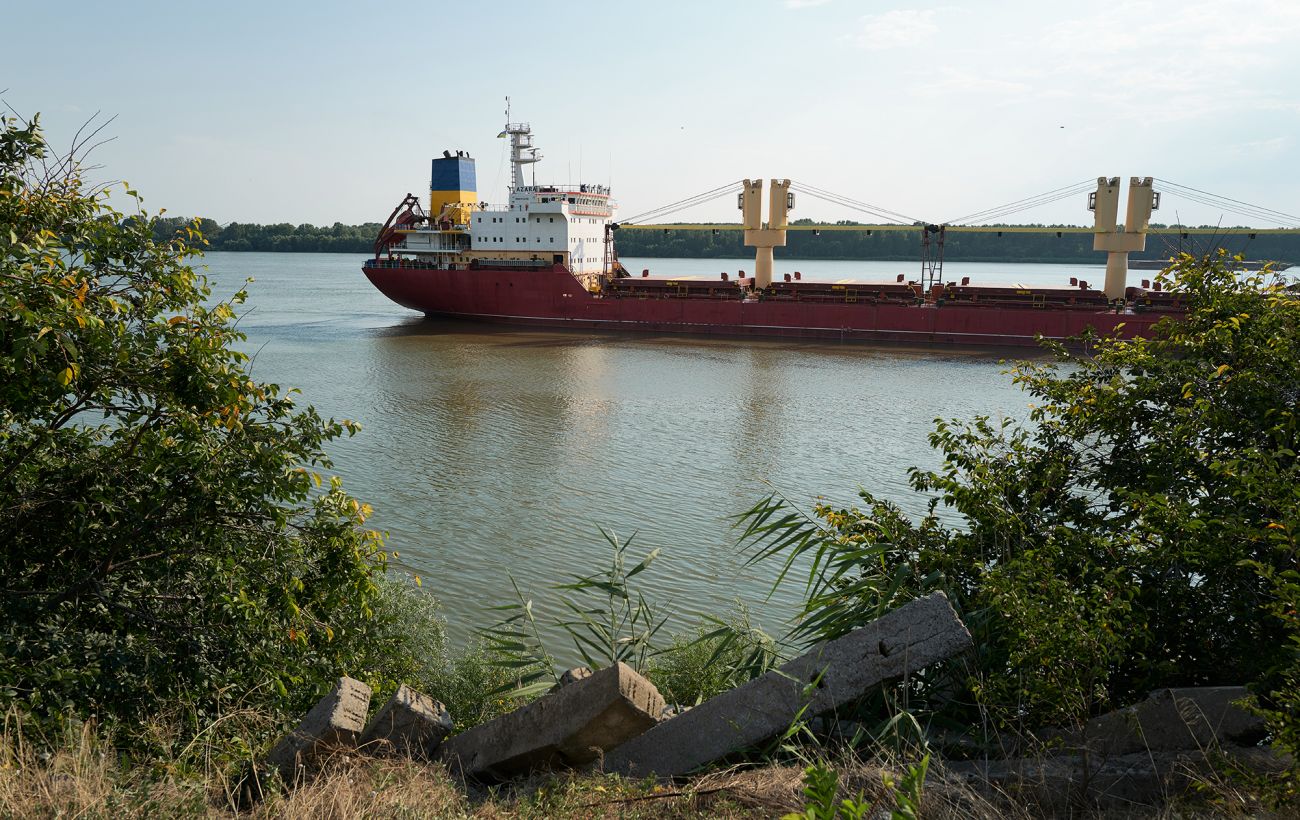
Ukraine and Romania have agreed to establish a joint coordination centre between the Ukrainian Sea Ports Authority (USPA) and Romania’s Lower Danube River Administration (AFDJ) to ensure continuous operational cooperation and coordination of vessel traffic through the Sulina Canal.
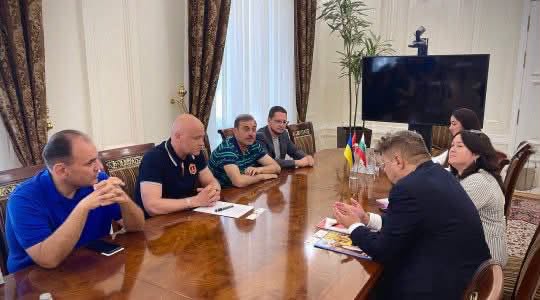
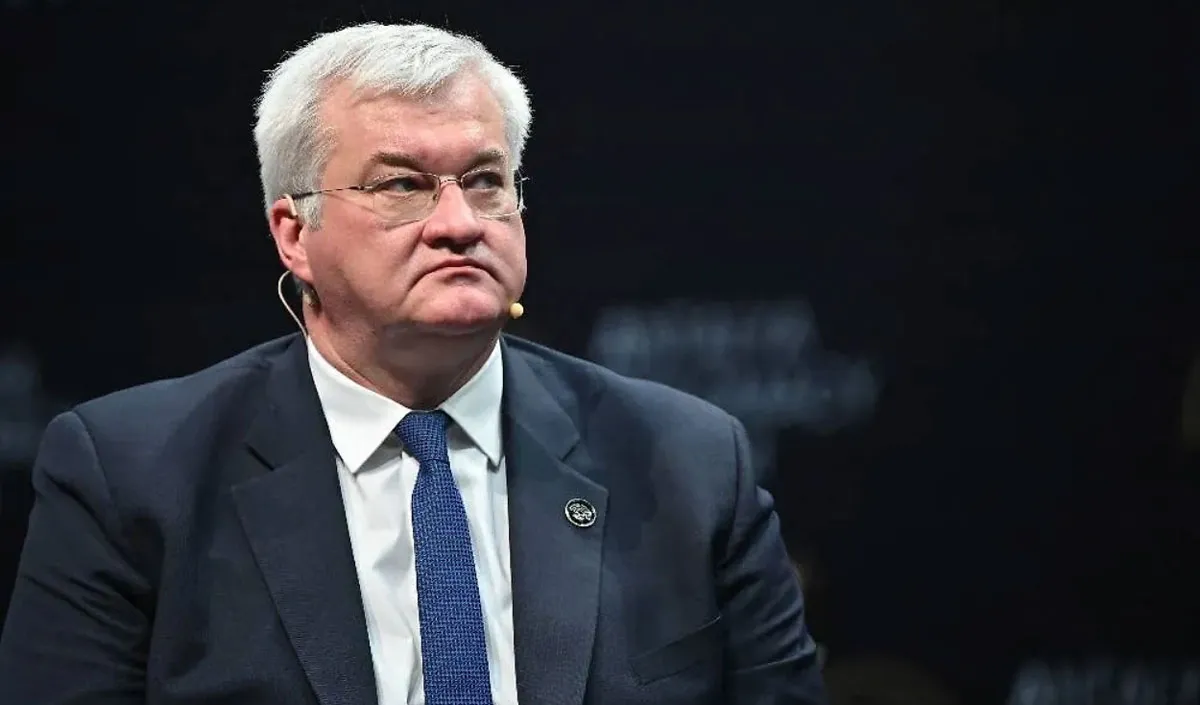
The decision was reached following a working meeting involving representatives of Ukraine, Romania’s Ministry of Transport and Infrastructure, AFDJ and the European Commission. The Ukrainian side was represented by the leadership of the Ukrainian Sea Ports Authority and the Ministry of Agrarian Policy and Food of Ukraine.
The Romanian delegation included State Secretary of the Ministry of Transport and Infrastructure Irinel Ionel Scrioșteanu, AFDJ Director General Angela-Stela Ivan, AFDJ Director for Navigable Waterways Bogdan Bică-Benuță and Ministry of Transport and Infrastructure public manager Ionuț Petrescu. The European Commission was represented by Alan Baron, Head of the Solidarity Lanes Team.
The main focus of the talks was increasing the capacity of the Sulina Canal and reducing vessel waiting times, particularly for ships bound for Ukraine’s Danube ports.
Following the meeting, the parties agreed to:
-
establish a permanent USPA–AFDJ coordination centre for operational cooperation and vessel traffic management;
-
increase the number of inspection teams from Romanian customs and border services to enable the simultaneous clearance of a larger number of vessels;
-
continue the implementation of the PRIMUS project, aimed at expanding the possibility of nighttime navigation through the Sulina Canal;
-
organise joint training sessions for Ukrainian and Romanian shipping agents and customs brokers on clearance procedures in accordance with Schengen rules;
-
jointly work to increase the canal’s throughput and the number of vessels able to transit the Sulina route.
The Romanian side also drew attention to reports appearing in the Ukrainian and Romanian information space which, in its view, do not always fully reflect the actual causes of vessel delays. The parties emphasised the importance of accurately assessing documentary, customs, border, pilotage and operational factors affecting vessel movements.
Experts of the Institute of Danube Research:
The establishment of a permanent USPA–AFDJ coordination centre is more significant than the creation of another inter-agency communication mechanism. In practical terms, it marks a transition towards elements of joint operational management of one of the most important transport nodes on the Lower Danube.
The Sulina Canal is currently a critical component of the logistics system serving Ukraine’s Danube ports. Its actual throughput depends not only on the physical parameters of the waterway, but also on the availability of pilots, the speed of customs and border procedures, information exchange, the work of shipping agents, nighttime navigation and the operational synchronisation of the Ukrainian and Romanian authorities.
For this reason, the greatest practical effect can be achieved through the simultaneous implementation of several measures: a unified coordination mechanism, an increased number of inspection teams and the fuller use of the canal during nighttime hours. If implemented comprehensively, these measures could not only reduce queues but also make Sulina transit significantly more predictable for shipowners, cargo owners and Ukrainian port operators.
The participation of the European Commission is also important. The Danube route has become an integral part of the EU–Ukraine Solidarity Lanes, making the efficiency of Sulina directly relevant to broader European efforts to maintain resilient transport corridors between Ukraine and the EU.
For Ukraine, the strategic objective is to move from reactive responses to queues and individual disruptions towards a permanent Ukrainian-Romanian system for managing navigation on the Lower Danube. The establishment of the USPA–AFDJ coordination centre could become the first practical step towards such a model.
In the longer term, the efficiency of the Sulina Canal should be considered together with the development of the ports of Izmail and Reni, Ukrainian and Romanian railway infrastructure, road corridors and the Port of Constanța system. Only coordinated development of these elements can create a resilient Ukraine–Romania–EU Danube–Black Sea transport corridor.

 Bulgaria
 Hungary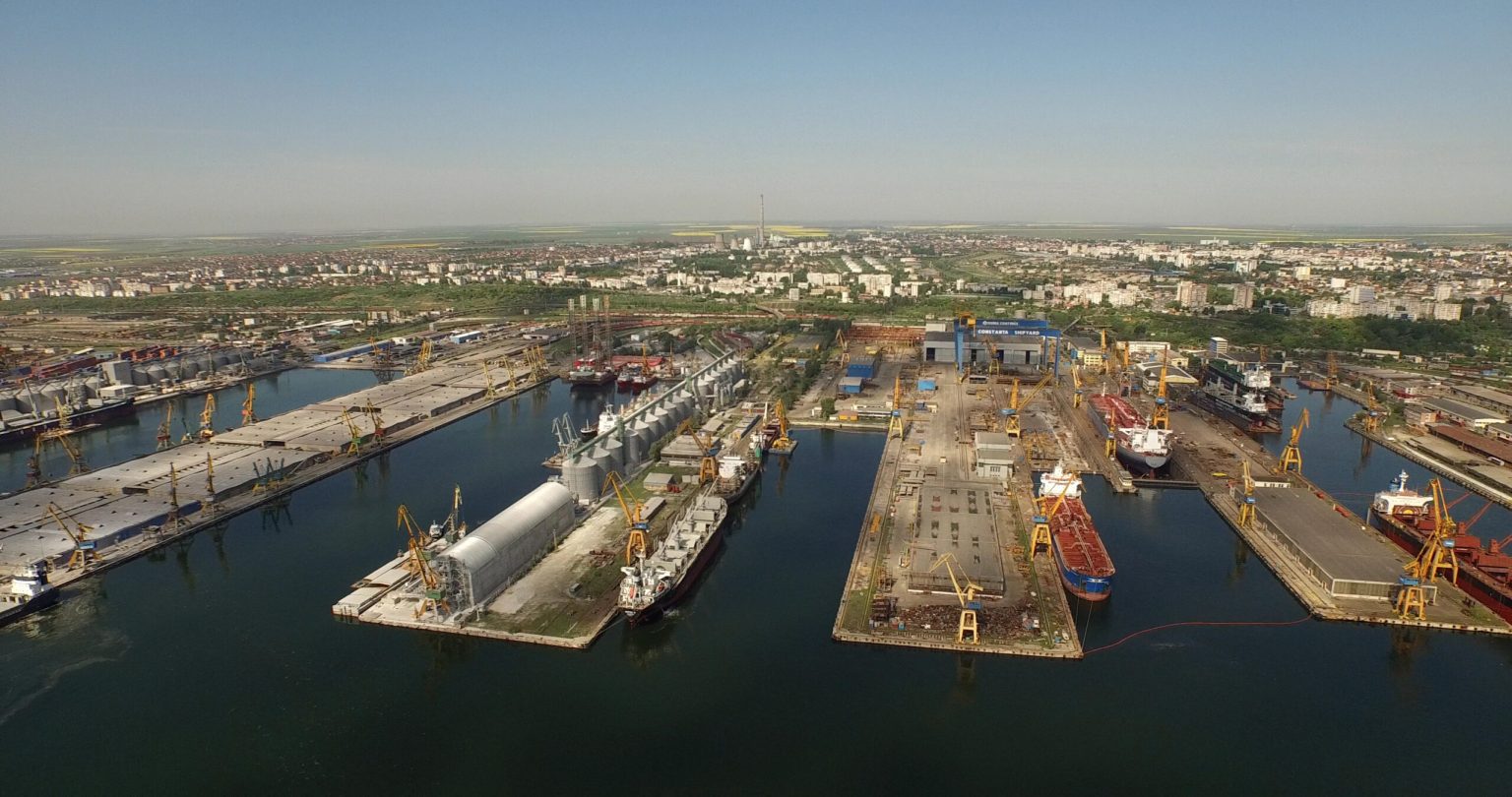
 Romania
 Moldova
 Serbia

 Danube