

Port of Constanța increases rapeseed handling amid disruptions to Ukrainian supplies
 Romania
10.09.2026
Romania
10.09.2026
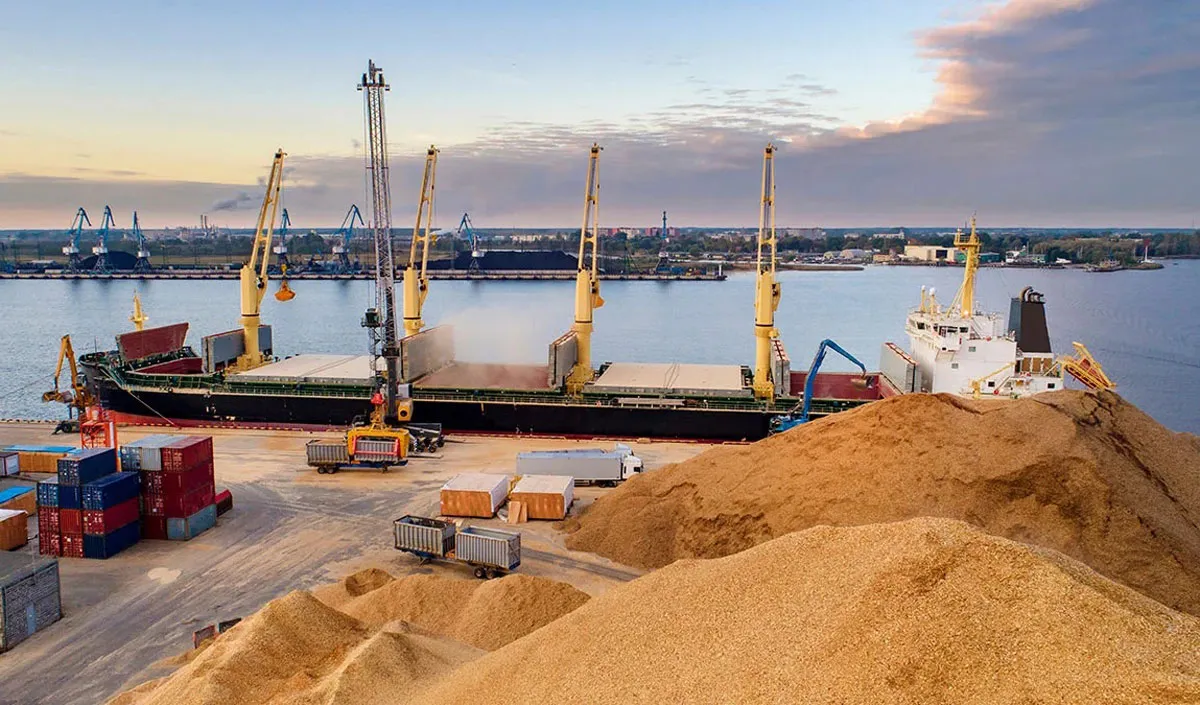
The Port of Constanța is strengthening its position as a regional hub for rapeseed and other oilseeds amid a strong Romanian harvest, renewed demand from Türkiye and continued logistical challenges across the Black Sea region.
According to the Romanian publication Replica Online, rapeseed shipments through Constanța have increased this season, supported in part by the return of Turkish buyers to the market. Previously, Turkish importers had relied to a significant extent on Ukrainian rapeseed.
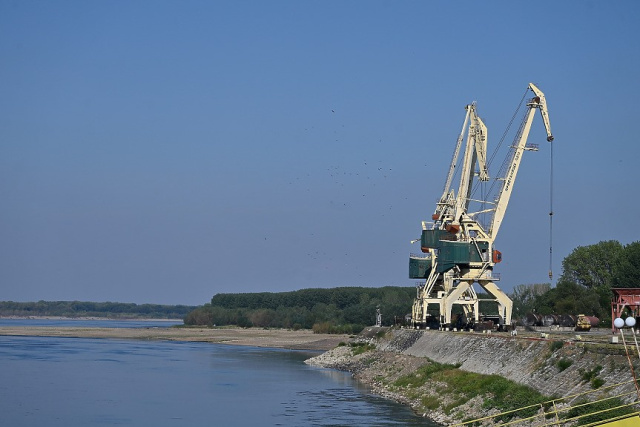
Romania is gaining additional competitive advantages from both favourable production volumes and the ability to redirect commodity flows efficiently through Constanța. The port’s geographical position allows it to connect agricultural flows from the Black Sea and Danube basins with international markets, reinforcing its role not only as a transit gateway but also as an increasingly important regional centre for trade in oilseeds and vegetable oils.
A potentially important long-term factor is the consolidation of new commercial relationships. If Romanian producers, traders and processors establish stable supply chains with foreign buyers, some of the trade flows redirected to Romania during the current period may remain there even after Ukrainian exports return to more normal conditions.
At the same time, the outlook for the 2027 harvest remains uncertain. Soil moisture deficits could complicate autumn rapeseed sowing and reduce future supply across parts of the Black Sea–Danube region if drought conditions persist.
Comment by the Institute of Danube Research
The Institute of Danube Research notes that the current situation reflects an accelerating structural transformation of agricultural logistics across the Black Sea–Danube region.
“The increase in rapeseed handling through Constanța should not be seen solely as the result of Romania’s strong harvest. Amid disruptions affecting Ukrainian maritime exports and elevated logistical risks, buyers, traders and processors are seeking to diversify both routes and suppliers. Temporary redirection of cargo flows can therefore gradually translate into longer-term changes in regional trade geography.
For Ukraine, this creates both risks and opportunities. On the one hand, Romanian producers may strengthen their presence in markets traditionally served by Ukrainian suppliers, increasing competition even after maritime exports normalise. On the other hand, the further development of Constanța as a major agricultural hub makes the port even more important as part of a wider Ukrainian-Romanian and Danube logistics system.
Ukraine’s strategic objective should therefore not be to view its own ports and Constanța as competing alternatives, but to develop an integrated corridor linking Ukrainian Danube ports – the Danube – Constanța – international markets, complemented by rail and road infrastructure. This requires greater capacity, better coordination of port operations, efficient transshipment facilities and predictable transit conditions.
The present situation also demonstrates that competition increasingly takes place not only between agricultural producers and commodity prices, but between entire logistics corridors — in terms of speed, reliability, resilience and predictability of delivery.”
According to the Institute of Danube Research, the current season may have long-term consequences for the regional structure of oilseed trade. The ability to combine Ukrainian, Romanian and Danube infrastructure into a coordinated logistics network will therefore become increasingly important for the competitiveness of the entire region.

 Bulgaria
 Hungary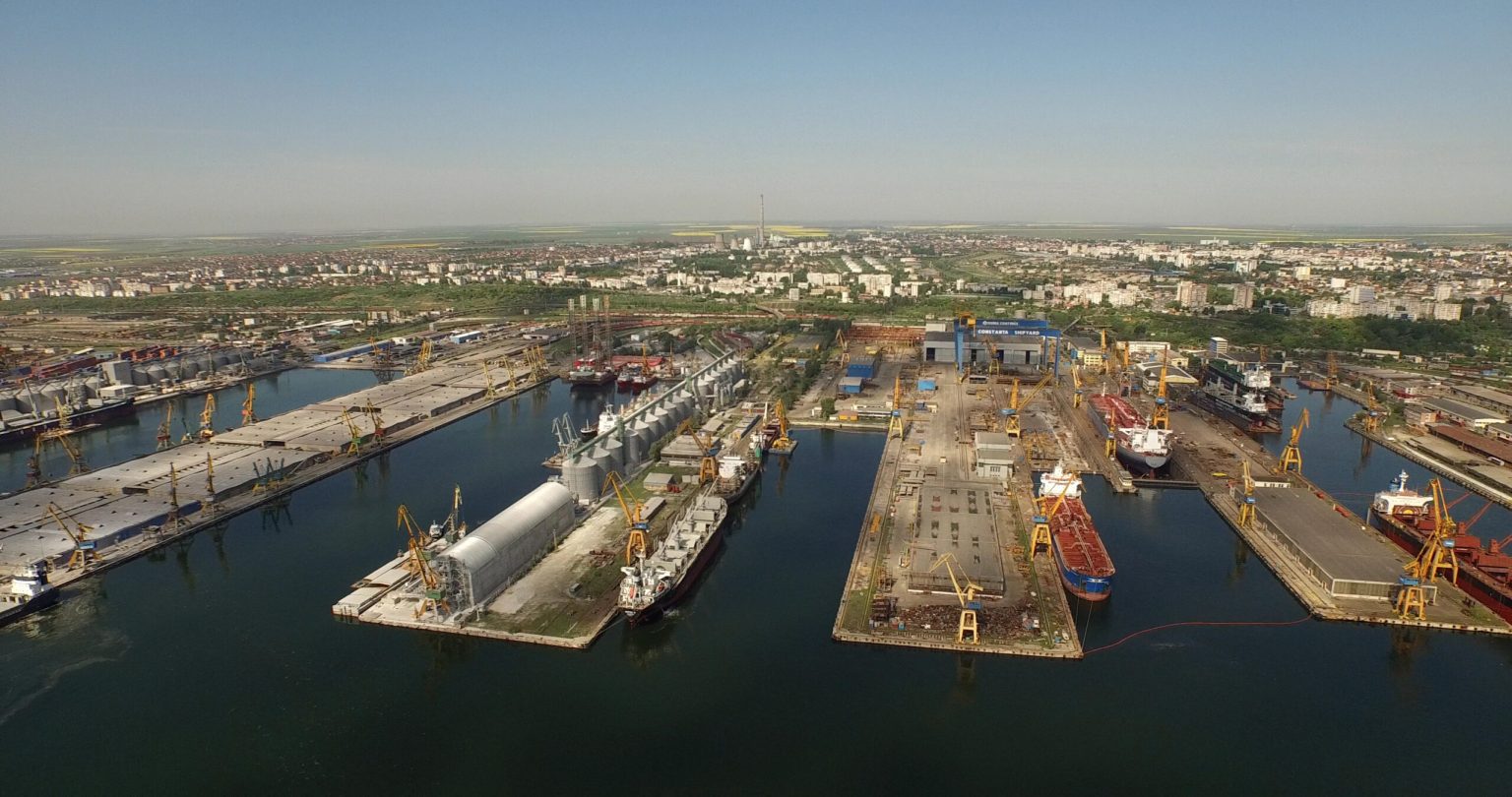

 Ukraine
 Moldova
 Serbia

 Danube