

Moldova Plans to Invest €43 Billion in Its Energy Transformation by 2050
 Moldova
02.09.2026
Moldova
02.09.2026
The Republic of Moldova is finalising its new Energy Strategy for 2026–2050, which will replace the document adopted in 2013. Following an environmental assessment and consultations with Romania and Ukraine, the draft has entered the final stage preceding government approval.
The total investment requirement is estimated at €43 billion. The strategy envisages achieving climate neutrality, strengthening energy security and gradually integrating Moldova into the EU’s single energy market.
The document establishes seven strategic objectives and 44 priority areas, including:
-
completing the 400 kV Vulcănești–Chișinău transmission line and developing additional energy interconnections with Romania;
-
launching day-ahead and intraday electricity markets;
-
reducing grid losses and improving the energy efficiency of buildings;
-
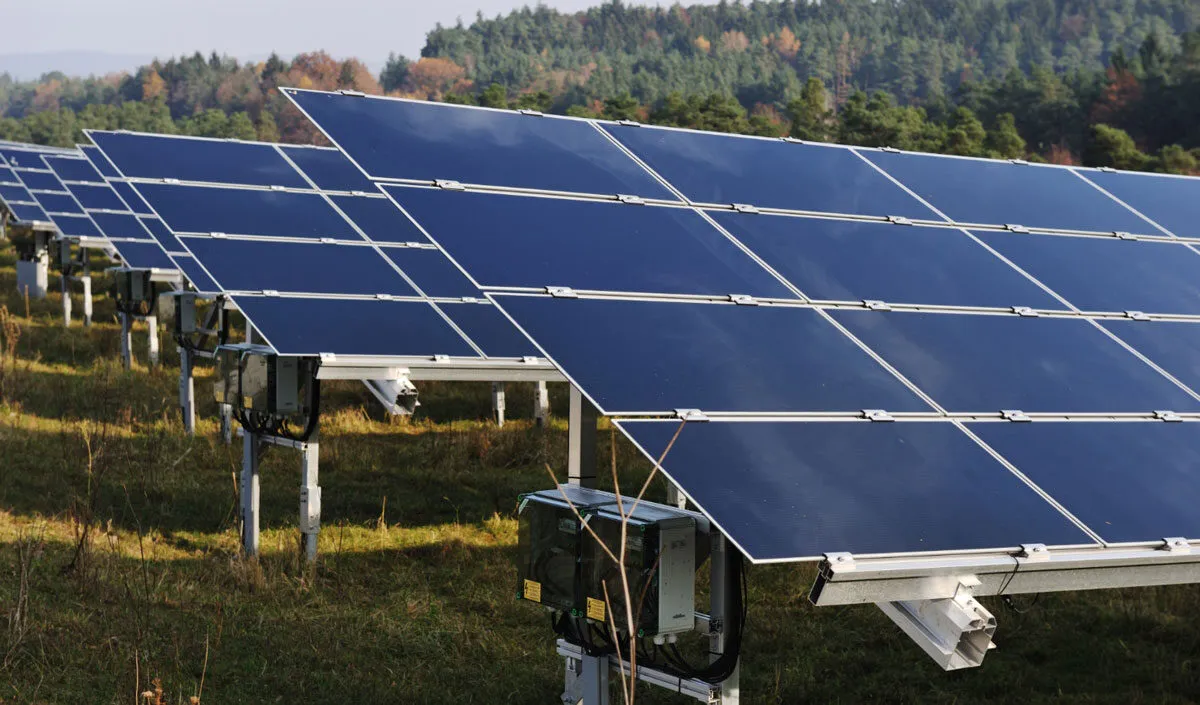
increasing renewables to at least 85% of domestic electricity generation by 2050;
-
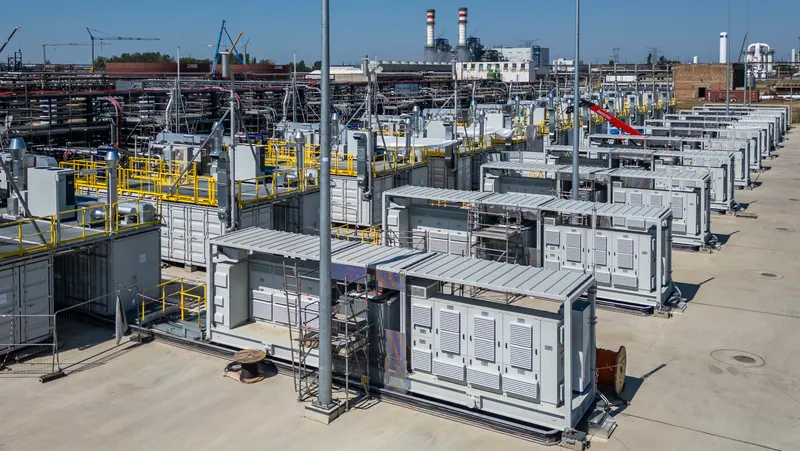
developing energy storage, smart grids and cybersecurity systems;
-
supporting consumers affected by energy poverty.
The largest allocation—€17.5 billion—is intended for transport electrification and charging infrastructure. A further €9.1 billion is planned for building renovation and the electrification of heating, €8.5 billion for new renewable energy capacity, and €5.5 billion for modernising district heating systems.
According to government estimates, implementing the strategy could generate annual savings of €355 million by 2030 and more than €1 billion by 2050, while contributing to the creation of 35,000–40,000 jobs. The investment estimate and projected economic impact were previously confirmed by Moldova’s national news agency, Moldpres.
Comment by the Institute of Danube Research
The €43 billion figure does not represent a one-off expenditure from the state budget. It reflects the cumulative need for public, private and international investment over almost 25 years. The programme’s scale demonstrates that Moldova views the energy transition as a structural modernisation of its entire economy, encompassing electricity generation, transport, housing, heating and digital infrastructure.
Its implementation will depend on access to European financing, the mobilisation of private capital and the ability of public institutions to prepare a sufficient number of investment-ready projects. The coordinated development of electricity networks, balancing capacity and storage systems will also be essential. Without these elements, a rapid increase in solar and wind generation could create additional risks for the stability of the energy system.
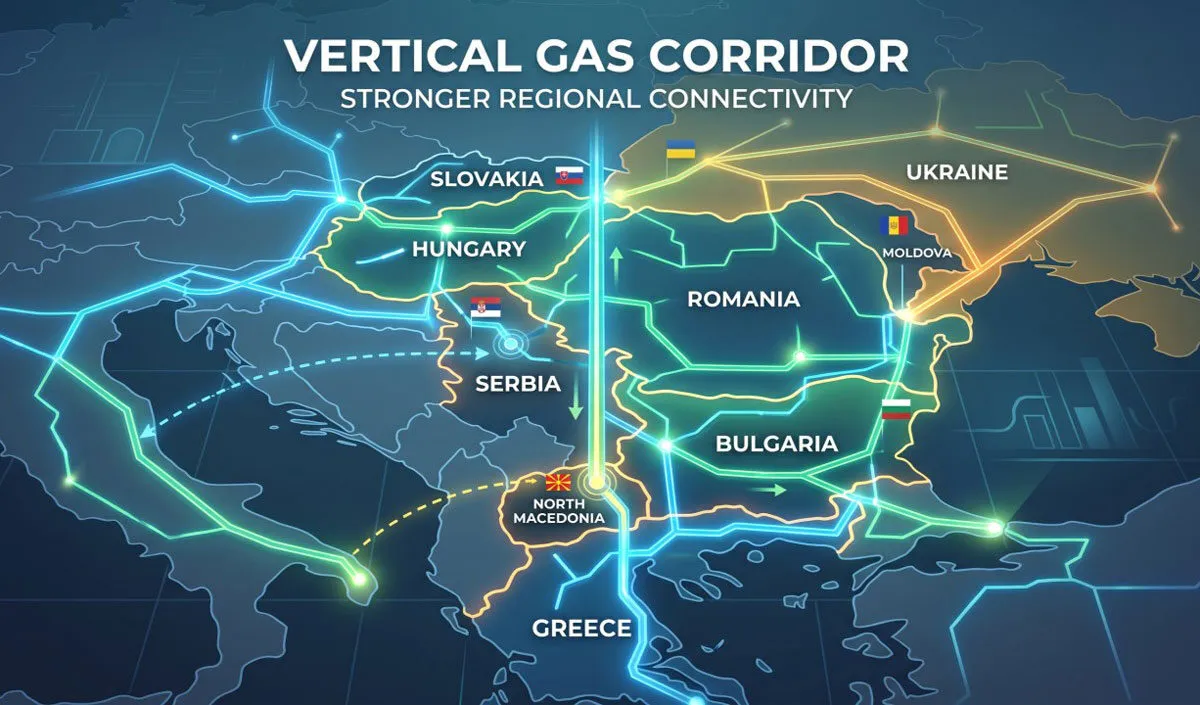
The strategy also has regional significance for Ukraine. Stronger energy connections between Moldova, Romania and Ukraine will contribute to a more resilient Eastern European energy corridor and reduce the region’s dependence on Russian energy resources. A detailed breakdown of the proposed investment is available from Logos Press.

 Bulgaria
 Hungary
 Romania
 Ukraine
 Serbia

 Danube