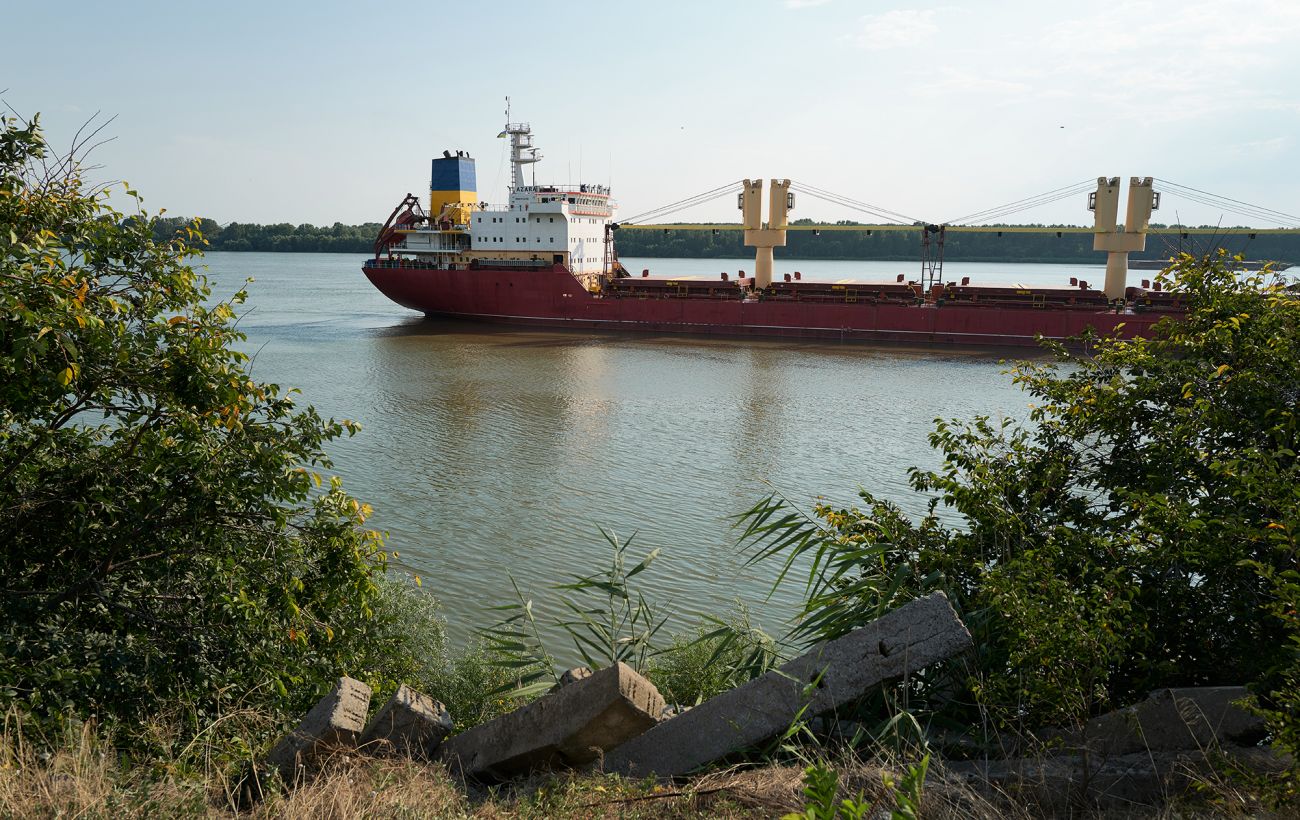


Hungary Strengthens Danube Riverbed Sill near Paks NPP as Government Assures Stable Plant Operations
 Hungary
08.09.2026
Hungary
08.09.2026
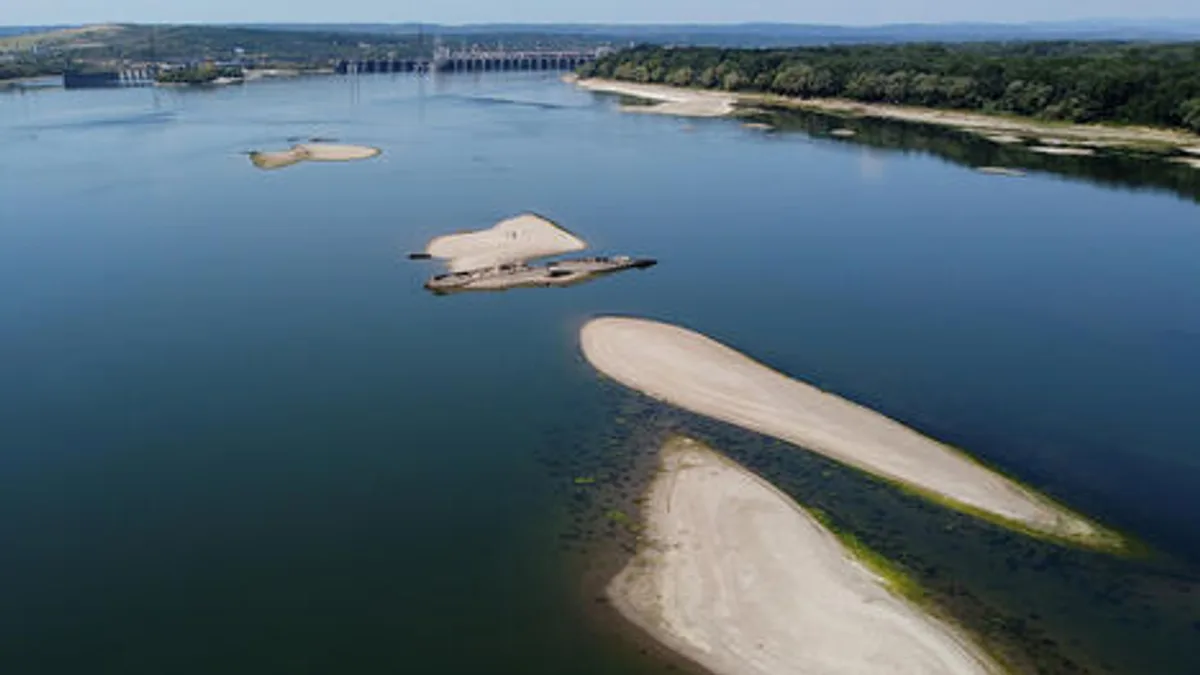
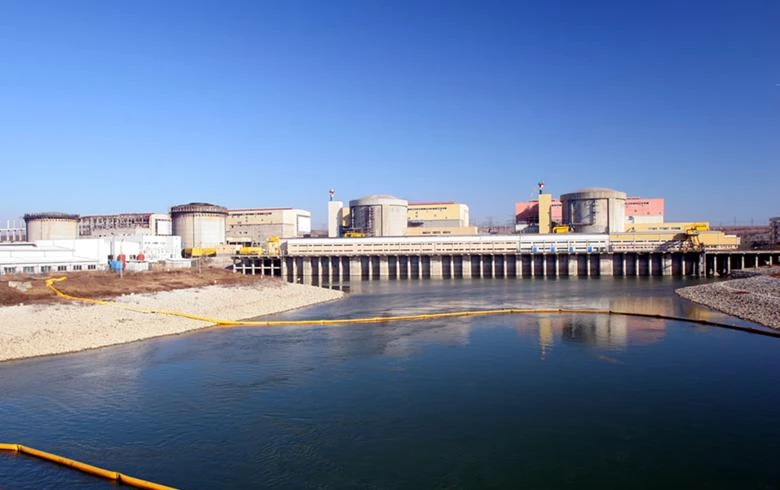
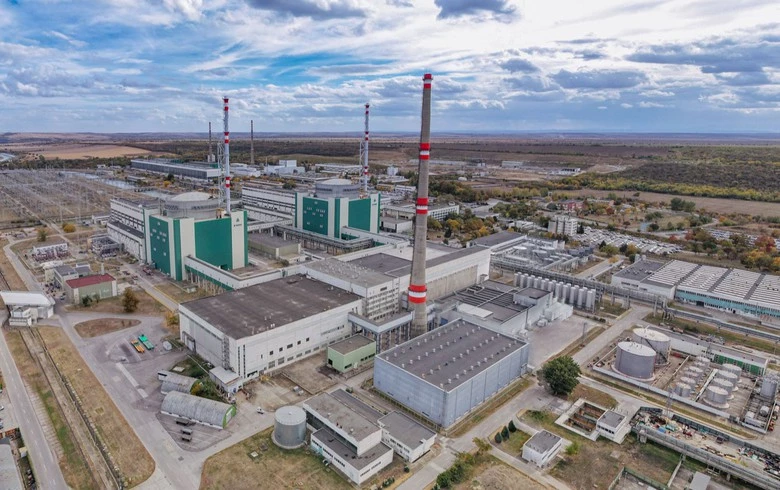
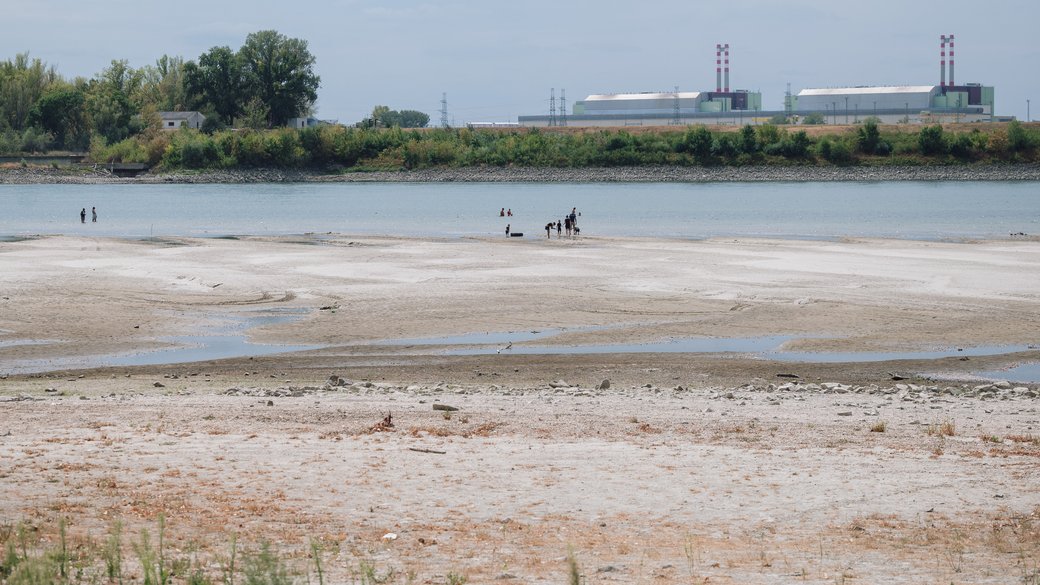
Hungary is continuing emergency hydraulic engineering works on the Danube near the Paks Nuclear Power Plant, launched after critically low water levels were recorded in the summer of 2026. Prime Minister Péter Magyar said that works between Paks and Dunaszentbenedek are proceeding according to schedule and that the nuclear power plant is operating steadily.
According to the government, nearly 70,000 cubic metres of rock have already been placed in the Danube riverbed. The material is being used to form the riverbed sill and reinforce sections affected by erosion caused by changes in flow velocity.
The project was launched after a sharp decline in Danube water levels created risks for the plant’s cooling systems. The first stage of the structure was completed in late August, after which the plant returned to full-capacity operation.
At the same time, the project has triggered debate over its hydromorphological and environmental impacts. Hungarian media reported that narrowing the active river channel during construction accelerated the current and caused local deepening of the riverbed.
Péter Magyar said that these processes had been anticipated and that engineers are continuously reinforcing both the riverbed and the structure with additional rock material. The government also insists that the works are being carried out in accordance with environmental protection requirements.
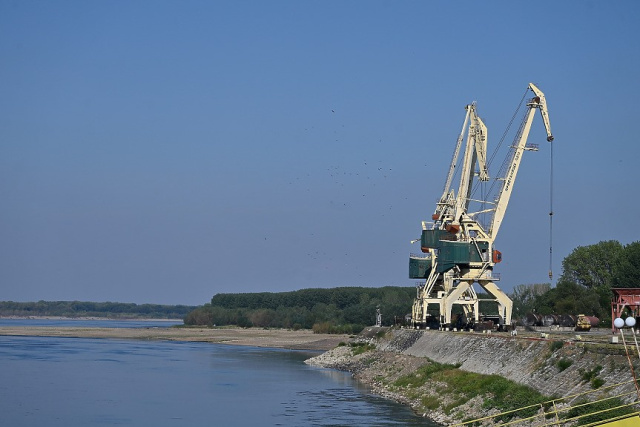
Meanwhile, construction of a new port is continuing on the opposite bank of the Danube in Dunaszentbenedek.
Comment by the Institute of Danube Research
The situation surrounding the Paks Nuclear Power Plant demonstrates that low water levels on the Danube are increasingly becoming not only an environmental and navigation issue, but also a direct energy security challenge.
The emergency construction of the riverbed sill has helped stabilise operating conditions for Hungary’s largest power plant. At the same time, large-scale intervention in the bed of an international river may alter flow velocity, erosion processes and sediment transport, requiring continuous hydrological and environmental monitoring.
According to the Institute of Danube Research, particular attention should be paid to possible downstream impacts and to the exchange of monitoring data among the Danube countries.
The Paks case also demonstrates the need to treat prolonged low-water conditions as a systemic risk to energy infrastructure. For Ukraine, this experience is important in the context of post-war modernisation: guaranteed water supply, backup cooling systems and adaptation to extremely low river levels should be incorporated into critical infrastructure projects already at the design stage.

 Bulgaria
 Romania
 Ukraine
 Moldova
 Serbia

 Danube