

Danube, Sava and Tisza Fall Below Minimum Navigable Levels as Drought Causes Water Shortages in Serbian Communities
 Serbia
07.09.2026
Serbia
07.09.2026
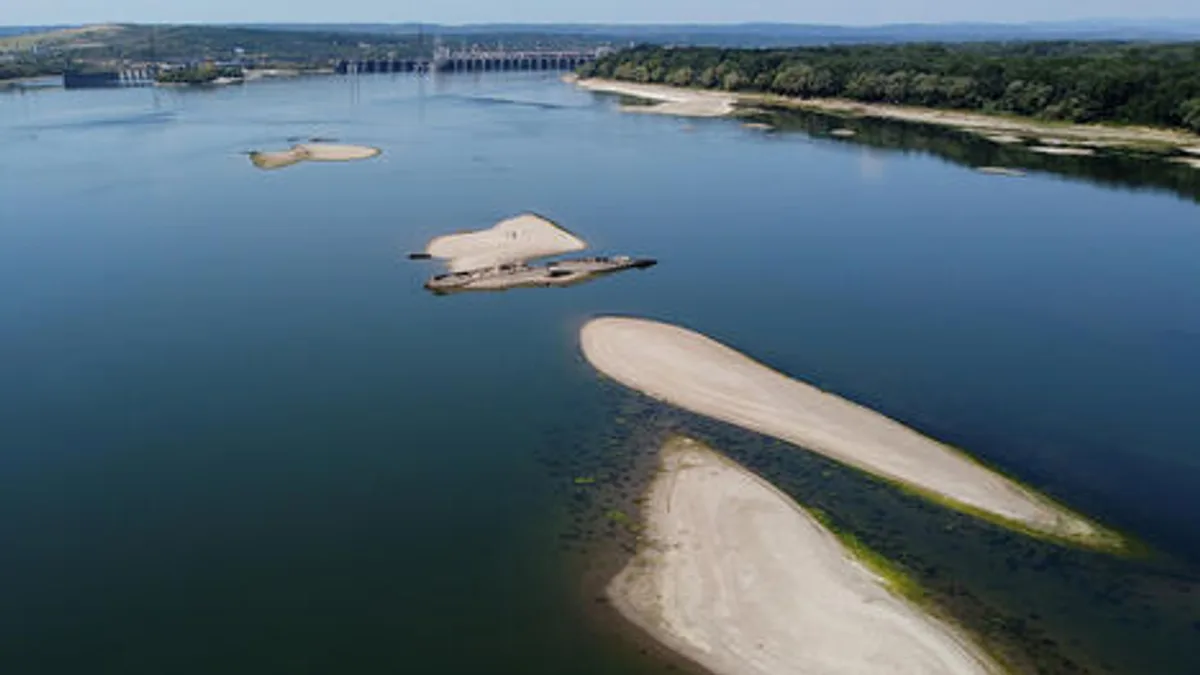
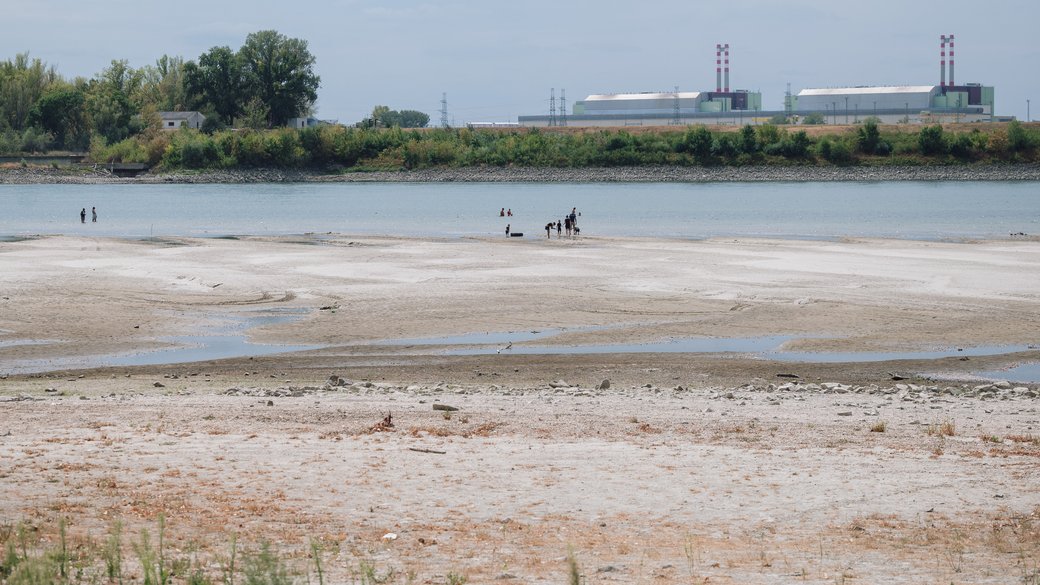
Serbia’s Republic Hydrometeorological Service (RHMZ) has warned that water levels in the Danube, Sava and Tisza rivers will remain below minimum navigable levels in the coming days. Meanwhile, a state of emergency remains in force in several municipalities due to shortages of drinking water.
On 6 September, the RHMZ issued a meteorological warning indicating that adverse weather conditions would persist until the end of the first ten days of the month. Serbia is expected to experience a continued lack of precipitation, with daytime temperatures ranging from 30°C to 35°C.
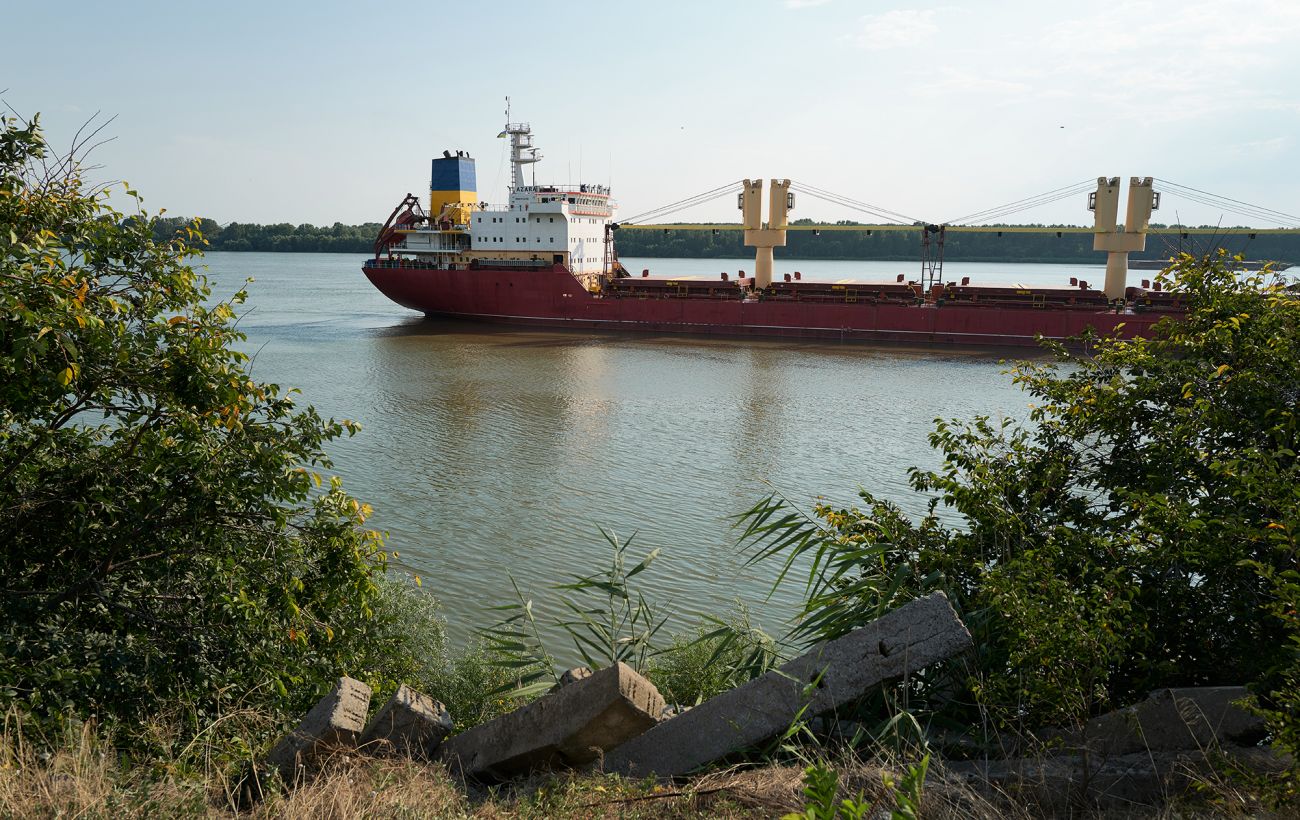
The hydrological warning, issued on 5 September, will remain in effect at least until 12 September. According to forecasts, water levels in the Danube, Sava and Tisza near Titel will remain below the minimum required for stable navigation.
Low-water conditions are also affecting smaller rivers. Discharges in the Kolubara and its tributaries, as well as in the Jadar, Toplica and Vlasina rivers, the tributaries of the Western and Great Morava, and the Black and White Timok, have approached minimum average monthly values. In some sections, water availability has effectively reached the biological minimum required to sustain aquatic ecosystems.
The RHMZ agrometeorological warning, effective until 7 September, points to prolonged water and heat stress affecting agricultural crops. The combination of high temperatures, lack of rainfall and insufficient soil moisture is already having a negative impact on crop conditions.
If the drought persists, the lack of soil moisture could complicate the autumn sowing campaign and create additional risks for future winter crop yields.
On 4 September, a state of emergency was declared in part of the municipality of Trgovište due to shortages of drinking and utility water. The restrictions cover 13 settlements within five local communities.
The municipal emergency response headquarters urged residents to use water exclusively for essential household needs.
A state of emergency had already been declared throughout the municipality of Sjenica on 31 August. The Serbian Armed Forces are delivering water by tanker trucks to households, wells and reservoirs in the villages of Doliće, Dunišiće, Trebine and Ursule. Some of the water is also being supplied to meet livestock needs.
The situation remains difficult in western Serbia as well. The Rzav water supply system is currently delivering approximately 570 litres per second. Čačak, where restrictions have been in place for more than three weeks, receives around 305 litres per second. Arilje is facing the most critical situation, receiving only 44 litres per second. Three ten-tonne tanker trucks are being used to replenish the municipal water system’s reservoirs.
Local authorities are advising residents of the affected areas to maintain a minimum reserve of drinking water and refrain from using it to irrigate gardens, vegetable plots and household grounds.
Comment by the Institute of Danube Research
The situation in Serbia demonstrates that prolonged low-water conditions in the Danube basin have moved beyond the scope of a purely hydrological problem. They are simultaneously affecting navigation, community water supplies, agriculture and the resilience of river ecosystems.
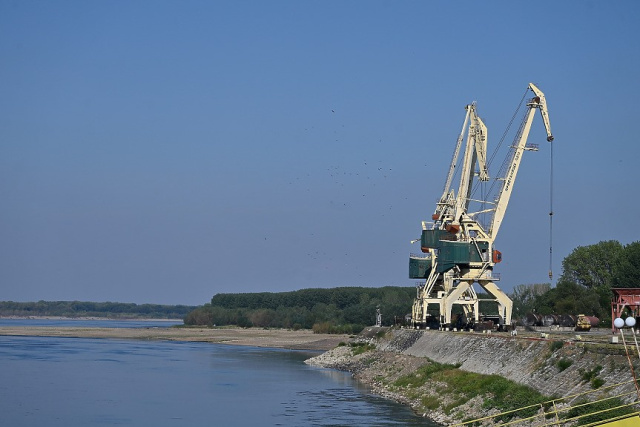
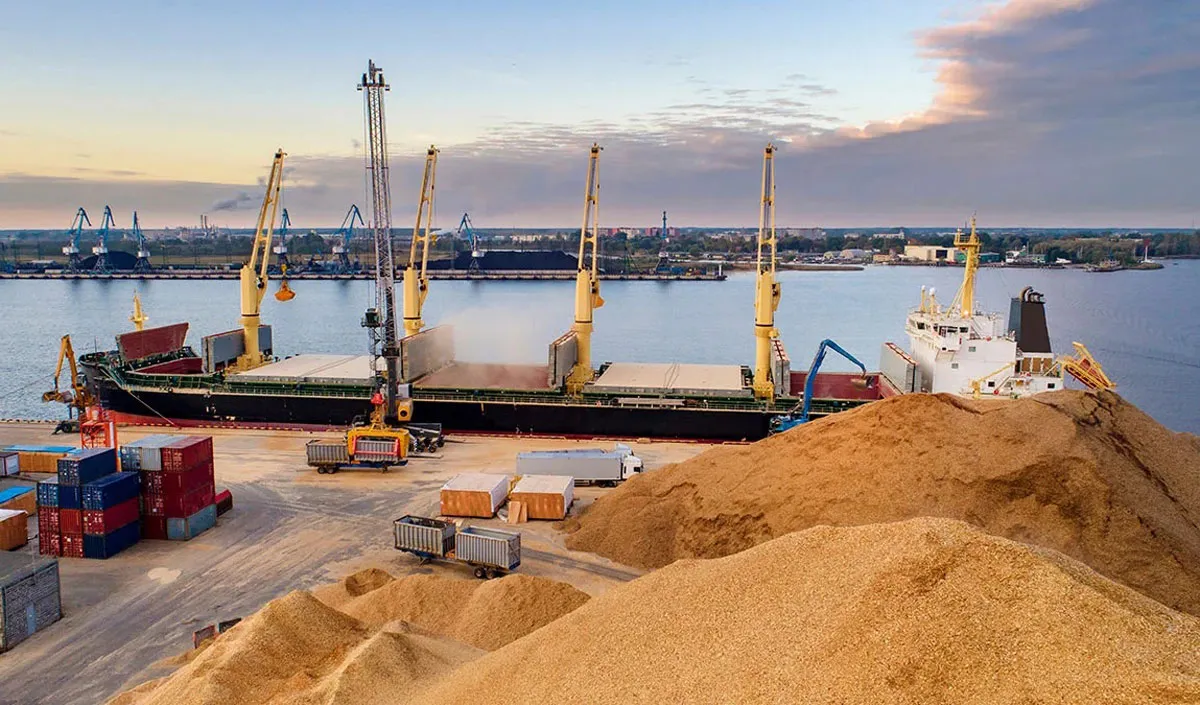
Water levels in the Danube, Sava and Tisza falling below minimum navigable thresholds may require vessels to reduce their draught, carry smaller loads and operate at higher transport costs. This is particularly significant for the Danube transport corridor, which plays an important role in the foreign trade of Central and South-Eastern European countries and provides alternative logistics routes for Ukraine.
At the same time, water shortages in Serbian communities highlight the need to shift from responding to individual emergencies towards coordinated basin-wide management of climate risks. Priorities should include coordinating water-use regimes, modernising water supply systems, reducing distribution losses, establishing strategic drinking-water reserves and improving the cross-border exchange of hydrological data.
The recurrence of such events indicates that extreme low-water conditions are gradually becoming a structural challenge for the entire Danube region rather than an exceptional seasonal anomaly.

 Bulgaria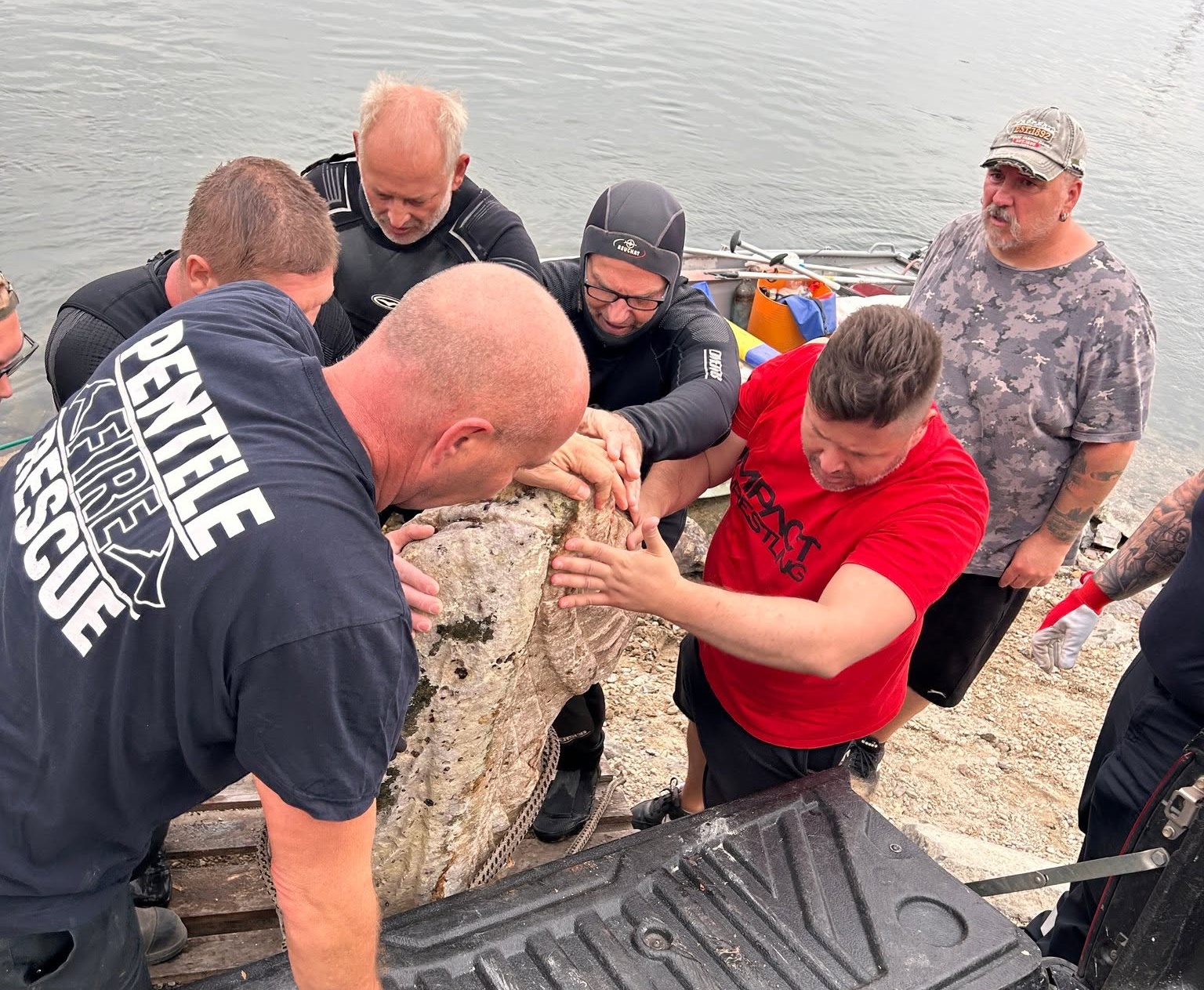
 Hungary
 Romania
 Ukraine
 Moldova


 Danube