

Almost intact Roman-era statue discovered in the Danube near Dunaújváros
 Hungary
10.09.2026
Hungary
10.09.2026
An almost completely preserved stone statue dating from the Roman period has been recovered from the Danube near the Hungarian city of Dunaújváros. Weighing several hundred kilograms, the artefact is the latest in a series of archaeological discoveries made possible by exceptionally low water levels in the river.
The statue was discovered by employees of Dunai Industrial Diving Ltd. during underwater search operations in a section of the Danube where diving conditions are particularly difficult. Due to the artefact’s considerable weight, additional assistance was required to raise it, including support from members of the Pentele volunteer fire brigade.
The exceptional state of preservation makes the discovery particularly significant, as the statue has survived almost completely intact.
Several other important Roman-era artefacts have also been discovered in the area in recent weeks. These include an altar stone dedicated to Jupiter, a fragment of another altar believed to have been dedicated to the Sun god, a richly decorated stone element featuring grapes, vines and leaves, and part of a tombstone that still preserves traces of its original green paint.
An inscription on the tombstone indicates that it was commissioned by a man named Marcus Aurelius, probably for himself and members of his family.
The concentration of archaeological finds is closely linked to the history of the area. During the Roman period, the site of modern Dunaújváros was home to Intercisa, a military fort and civilian settlement located along the Danube frontier of the Roman Empire. The settlement emerged in the 1st century and experienced significant development from the late 2nd century into the 3rd century.
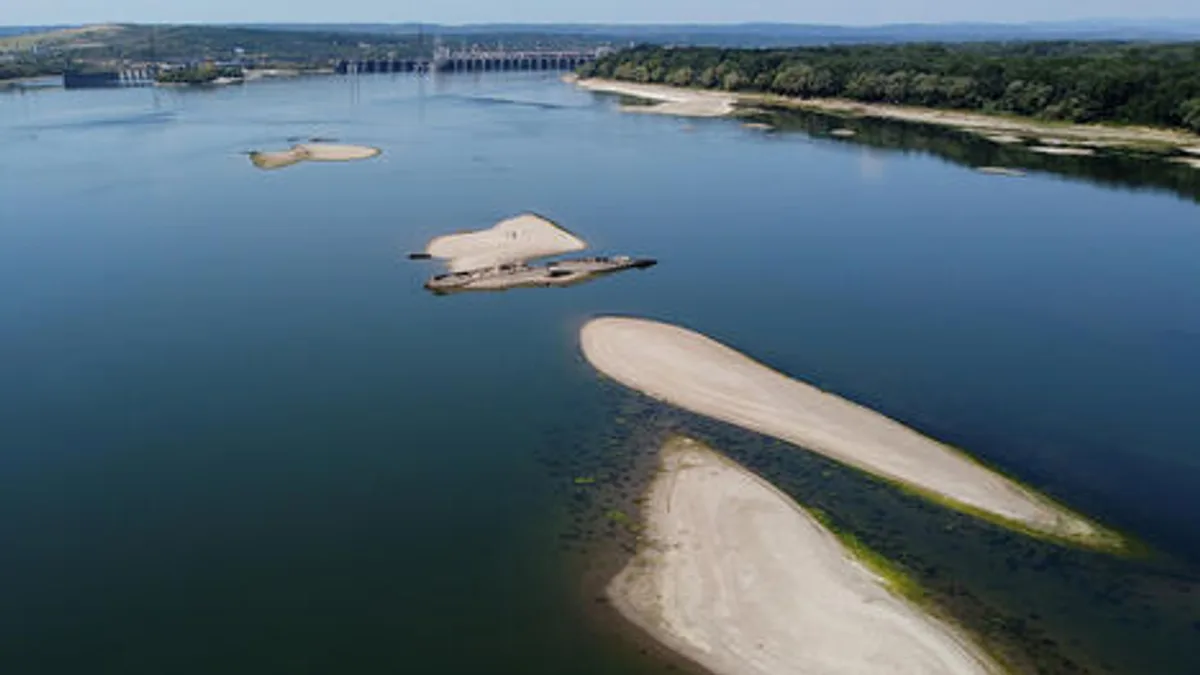
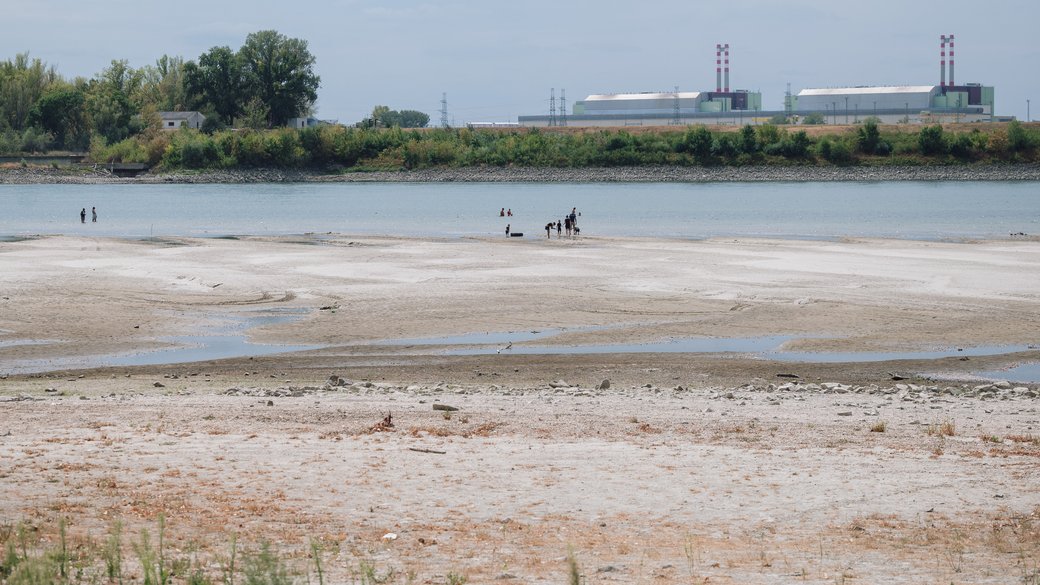
Exceptionally low water levels in the Danube are now exposing areas that were previously submerged, creating new opportunities for archaeological research.
Comment by the Institute of Danube Research
The Institute of Danube Research notes that the discoveries near Dunaújváros reveal another dimension of the current low-water conditions on the Danube — their impact on the cultural and archaeological heritage of the river basin.
“Low water levels on the Danube are usually discussed primarily in terms of their consequences for navigation, ports, energy infrastructure and water supply. At the same time, changes in the river’s hydrological regime are exposing areas that may have remained underwater for decades or even centuries.
The series of discoveries near Dunaújváros is particularly important because it represents not a single isolated artefact, but an entire group of objects associated with Roman Intercisa. Such finds can provide new information about religious practices, burial traditions and everyday life in Roman Pannonia.
At the same time, the exposure of submerged archaeological sites creates additional risks, including accelerated deterioration and unauthorised removal of artefacts. The Danube should therefore be regarded not only as a transport and natural corridor, but also as a shared space of cultural heritage requiring cross-border monitoring and cooperation.”
According to the Institute of Danube Research, recurring periods of extremely low water levels could make the protection and study of underwater and riverside archaeological heritage a distinct area of cooperation among the Danube countries.

 Bulgaria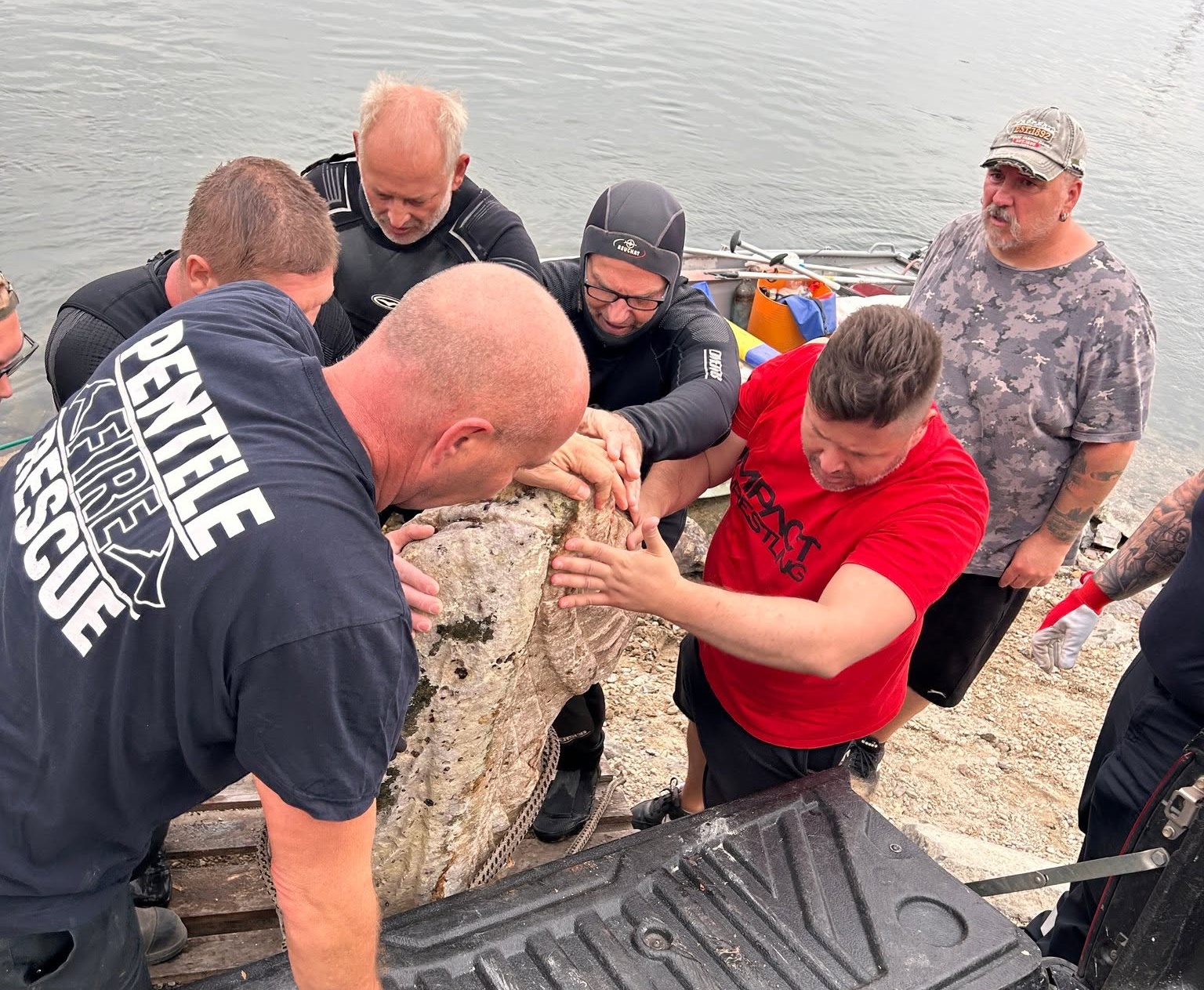
 Romania
 Ukraine
 Moldova
 Serbia

 Danube