

Romania Develops Phased Water-Supply Plan for Cernavodă Nuclear Power Plant
 Romania
03.09.2026
Romania
03.09.2026
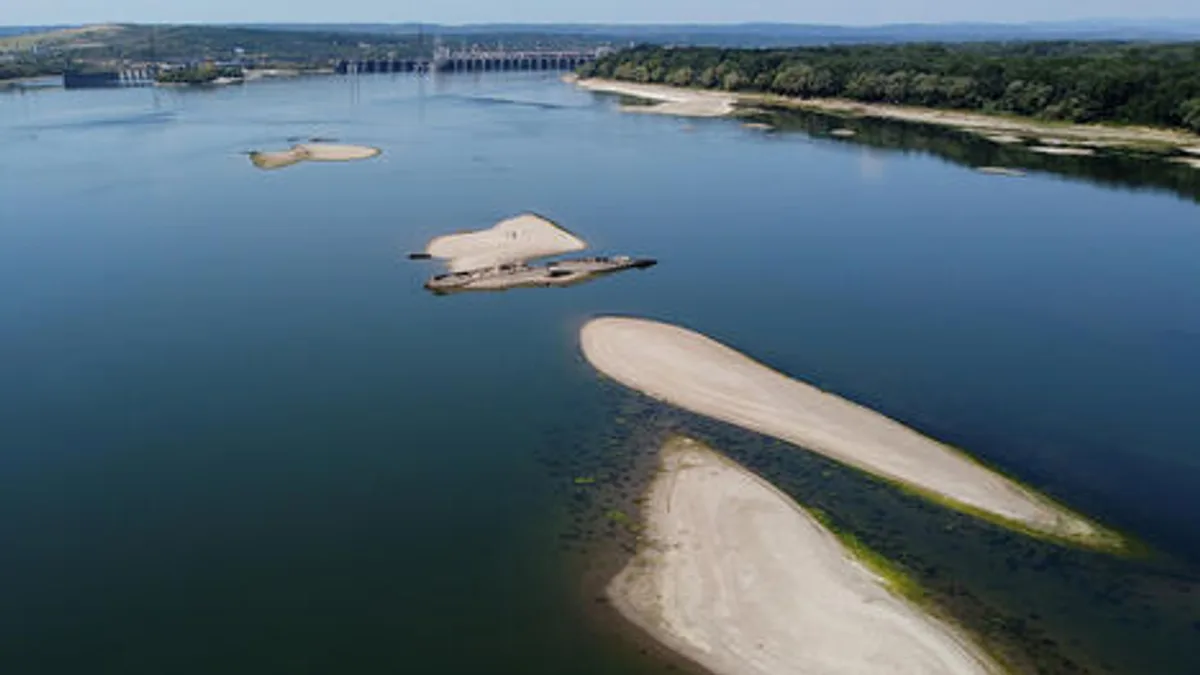
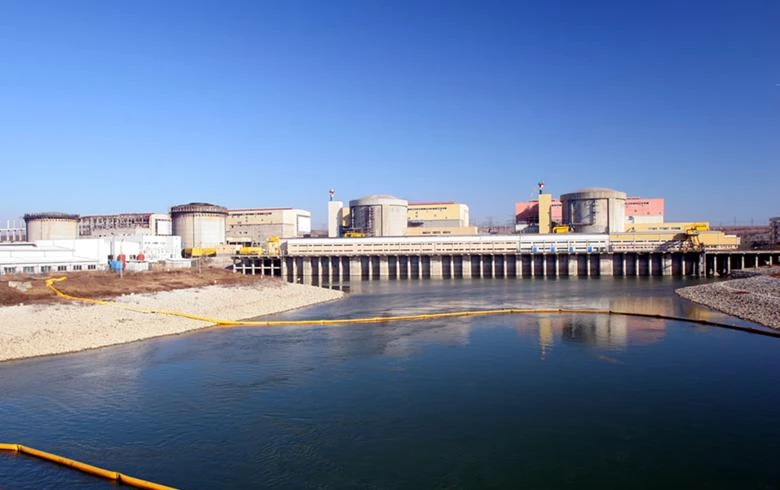
Romania is preparing for a possible further deterioration of hydrological conditions on the Danube and is moving from individual emergency measures toward a formalised multi-stage system to secure water supplies for the Cernavodă Nuclear Power Plant. The National Committee for Emergency Situations (CNSU) has approved a plan designed to ensure the water flow required for the plant’s safe operation amid forecasts of another decline in Danube discharge beginning on 10 September.
The Institute of Danube Research has repeatedly highlighted this problem throughout the summer of 2026, analysing both the shutdown of the Cernavodă units and the emergency hydraulic-engineering measures undertaken by Romania. The latest CNSU decision indicates that the issue of water availability for the country’s largest nuclear generation facility is moving from temporary crisis response toward systematic risk management.
The plan provides for the creation of a temporary, modular, phased and reversible intervention system near Cernavodă, at the junction between the Old Danube branch and the entrance to the Danube–Black Sea Canal. It will be activated if the water level in the nuclear plant’s intake basin falls to 1.58 metres.
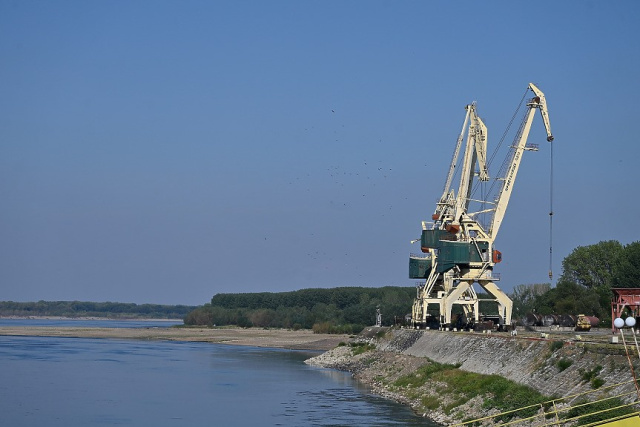
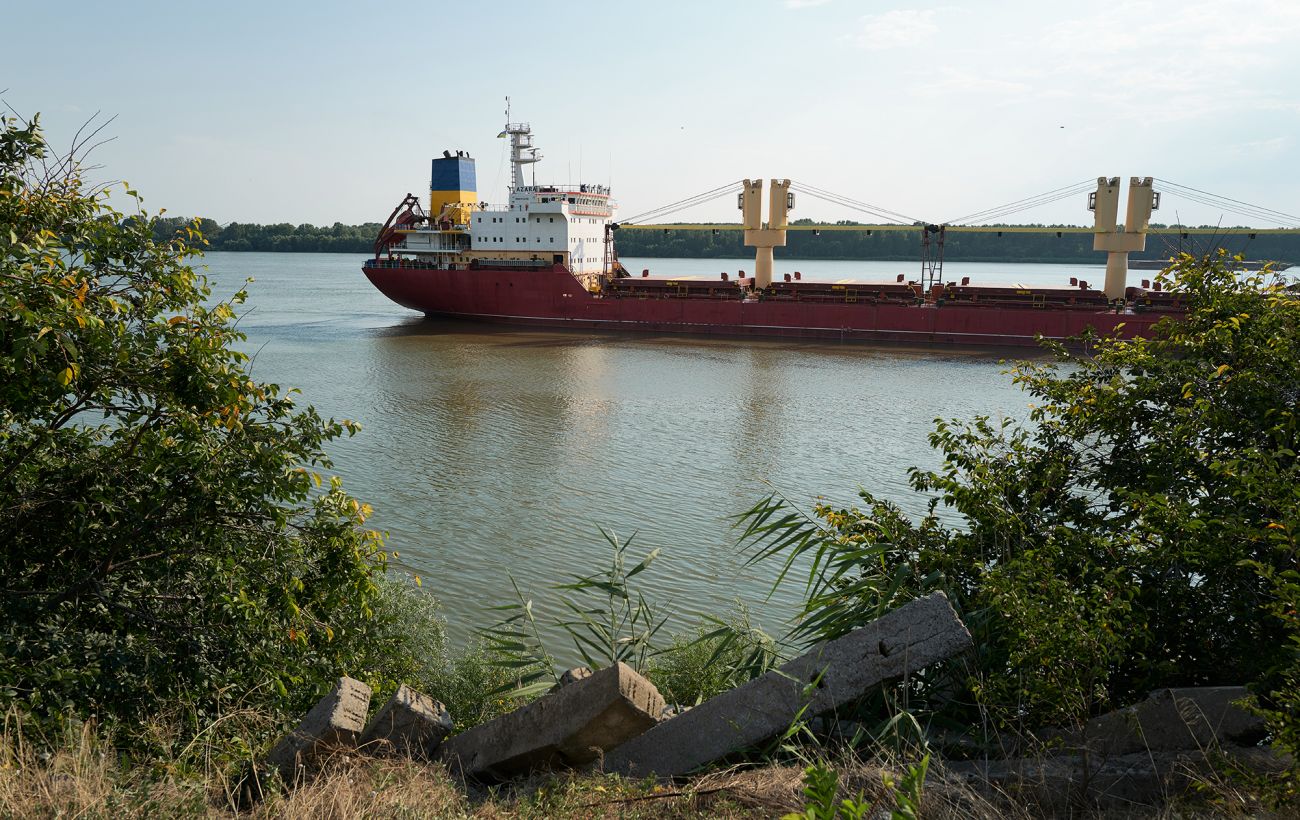
The first stage involves positioning several loaded vessels or barges in order to redirect a larger volume of water toward the plant’s intake system.
The second stage provides for the construction of a modular barrier using pontoons and hydraulic barriers near the connecting canal. A temporary rock-fill dam may be used as a reserve solution.
If these measures prove insufficient, the Romanian Waters National Administration (ANAR), together with Nuclearelectrica, may deploy high-capacity pumps to supply additional water to the plant’s cooling-water intake.
The works implemented by ANAR under the plan will be financed through an increase in the budget of the Ministry of Environment, supported by the Romanian government’s reserve fund.
The new plan follows a series of emergency measures implemented by Romania in recent weeks to maintain water supplies for Cernavodă.
Previous interventions included dredging operations, works aimed at redirecting river flow and the use of four barges loaded with stone to modify hydraulic conditions in the Danube. Explosive works were also carried out to prepare rock material.
At the same time, Romanian authorities have intensified work on the Bala 2 project, which is intended to provide a long-term solution for regulating water distribution in the Danube branching area. A dedicated interinstitutional committee has been established to determine the most effective technical solution for securing cooling water not only for the existing units but also for future reactors at Cernavodă.
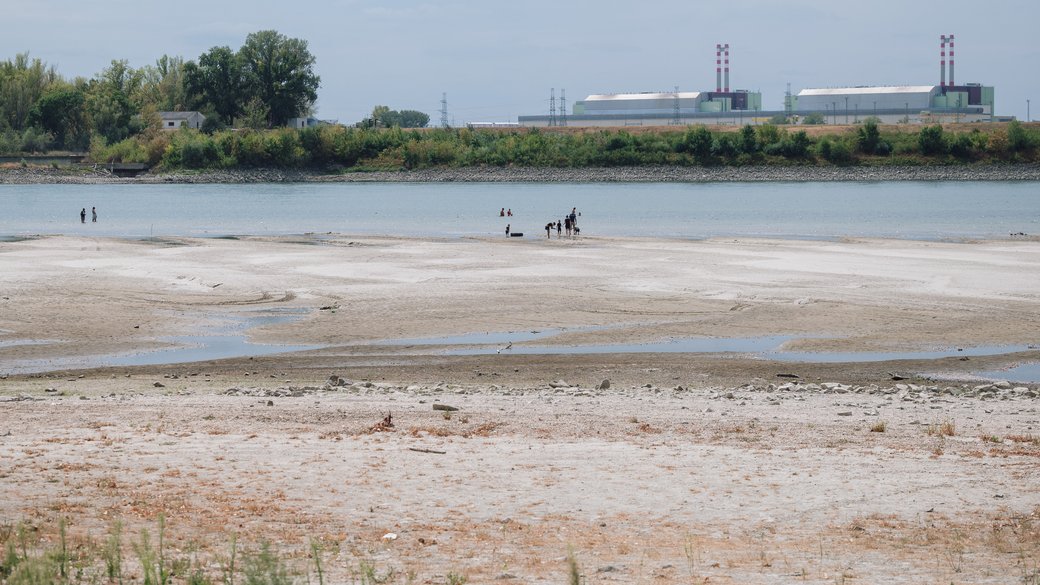
The issue is particularly important for Romania’s power system. Both existing Cernavodă reactors were shut down during the summer amid unprecedentedly low Danube levels caused by severe drought.
The Cernavodă Nuclear Power Plant normally supplies around 20% of Romania’s electricity needs. Units 1 and 2 each have an installed capacity of approximately 700 MW and use CANDU 6 technology.
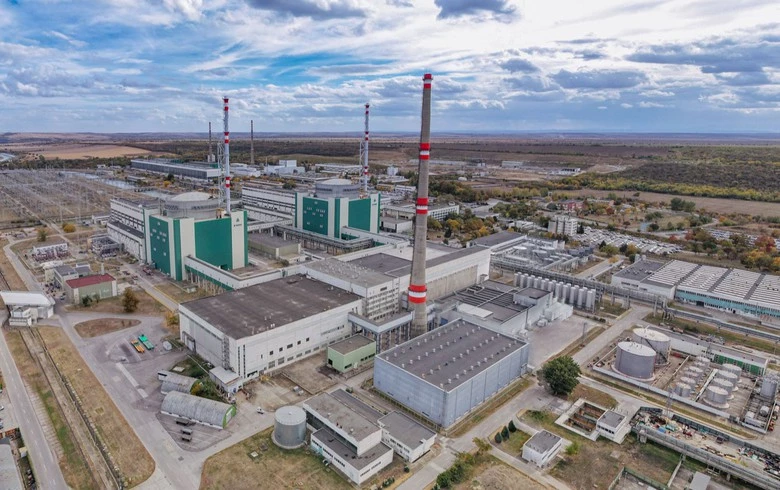
The issue of water security will become even more important as Romania proceeds with plans to complete Units 3 and 4. The two additional CANDU 6 reactors, also with capacities of around 700 MW each, are expected to add approximately 1,400 MW to the national grid.
Comment by the Institute of Danube Research
The Institute of Danube Research has consistently stressed in recent months that the situation around the Cernavodă Nuclear Power Plant should not be viewed merely as an isolated consequence of a summer drought. It reflects a broader challenge — the growing dependence of critical energy infrastructure across the Danube region on the hydrological stability of the river.
The latest decision by the Romanian authorities effectively confirms the need to move from short-term emergency interventions toward long-term adaptation. While the initial response relied on dredging, river-flow redirection and the use of barges, Romania is now developing a multi-level intervention system while simultaneously returning to the strategic Bala 2 project.
It is particularly important that the issue is no longer being considered solely in relation to the two operating reactors. The planned commissioning of Units 3 and 4 would approximately double Cernavodă’s installed nuclear capacity to around 2.8 GW. Therefore, reliable access to cooling water must become a fundamental element of Romania’s long-term nuclear energy strategy.
For other Danube basin countries, including Ukraine, the case is equally significant. It demonstrates that changes in the river’s hydrological regime increasingly affect not only navigation and agriculture but also the functioning of critical energy infrastructure.
Cernavodă is becoming one of the clearest examples of how Danube water security is evolving into a factor of energy and economic security for the entire region.

 Bulgaria
 Hungary

 Ukraine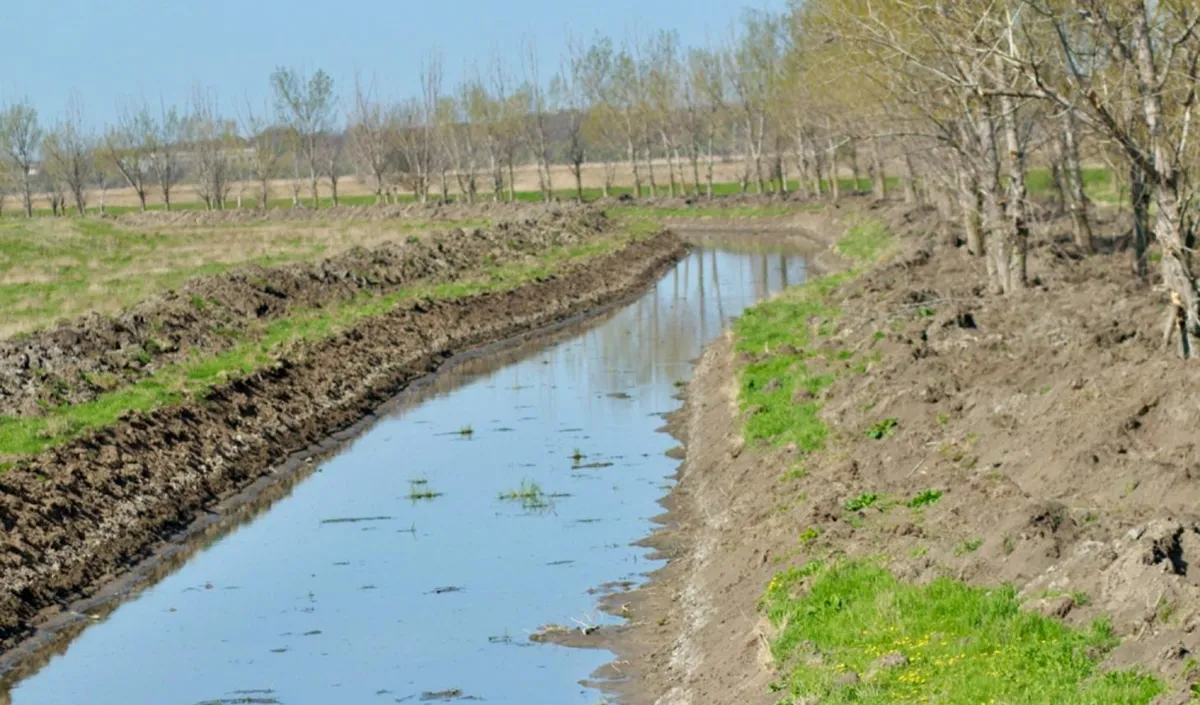
 Moldova
 Serbia

 Danube