

Moldova Withdraws from the Energy Charter Treaty: A Course Toward Green Transformation and Energy Sovereignty
 Moldova
01.05.2026
Moldova
01.05.2026
The Parliament of the Republic of Moldova adopted, in two readings on 30 April, a decision to withdraw the country from the Energy Charter Treaty — an international agreement of the 1990s that is increasingly criticised in Europe as being inconsistent with modern energy transition policies and the development of renewable energy.
The initiative to withdraw was put forward by Moldova’s Ministry of Energy. The ministry emphasizes that the treaty’s provisions are increasingly misaligned with the country’s new strategic priorities: strengthening energy security, diversifying energy sources, developing renewable generation, and transitioning to a more sustainable economic model.
A key point of criticism is the ISDS mechanism — Investor-State Dispute Settlement — which allows investors to bring claims against states in international arbitration if they believe that public policy decisions violate their investment interests.
In the context of the energy transition, this mechanism is viewed as a potential barrier to climate policy. The concern is primarily that companies linked to fossil fuels may challenge government decisions aimed at reducing emissions, restricting the use of carbon-intensive resources, or redirecting energy markets toward clean technologies.
According to the Moldovan side, preserving such legal mechanisms may restrain investment in clean energy and slow down the achievement of climate goals. Therefore, the withdrawal from the treaty is presented not as an isolated legal step, but as part of a broader revision of Moldova’s energy policy.
The Energy Charter Treaty was signed in 1994 and entered into force for Moldova in 1996. At that time, it was seen as an instrument for integrating the national energy market into the regional and international system, as well as a mechanism for protecting investment in energy infrastructure.
However, Europe’s energy policy has changed significantly over recent decades. Decarbonisation, energy independence, the resilience of critical infrastructure, the development of renewable energy, and the reduction of dependence on fossil resources have moved to the forefront.
In this context, the Energy Charter Treaty is increasingly perceived as a document of a previous energy era — one shaped at a time when the main priority was to protect transnational investment rather than to ensure climate neutrality and the flexibility of energy systems.
Moldova’s decision corresponds to a broader European trend of reconsidering participation in the Energy Charter Treaty. A number of European states had previously initiated withdrawal from the agreement, including Romania, Poland, Italy, and France.
The European Union officially notified its withdrawal from the treaty on 27 June 2024, and the withdrawal took effect on 28 June 2025. The European Commission explained this step by the need to align energy policy with climate commitments and the current course toward reducing carbon emissions.
For Moldova, which is consistently adapting its legislation and policies to the European energy space, this step is also an element of political alignment with the EU. It demonstrates that Chișinău seeks to shape its energy policy not only through the prism of immediate security of supply, but also through a long-term model of decarbonisation and investment in clean energy.
The decision to withdraw from the Energy Charter Treaty is being made against the backdrop of a complex energy situation in the region. Moldova remains vulnerable to external energy shocks, the consequences of Russia’s aggression against Ukraine, and risks to cross-border energy infrastructure. In April 2026, the Moldovan Parliament separately adopted a decision to end the state of emergency in the energy sector, which had been introduced after attacks affecting key electricity interconnections.
Therefore, withdrawal from the treaty should be viewed not only as a climate-related or legal step. It is also linked to Moldova’s intention to secure greater freedom in defining its own energy model, supporting renewable generation, strengthening infrastructure resilience, and reducing dependence on outdated international legal regimes.
Comment by the Institute of Danube Research
According to the Institute of Danube Research, Moldova’s decision to withdraw from the Energy Charter Treaty is significant not only for national energy policy, but also for the wider Danube-Black Sea region.
“Moldova demonstrates an intention to move from the logic of protecting old energy infrastructure toward the logic of forming a new model of energy security. For the countries of the Danube-Black Sea area, this is fundamentally important, because energy resilience today is determined not only by the availability of resources, but also by the ability of states to rapidly modernise regulations, attract investment in clean technologies, and reduce dependence on fossil fuels,” the Institute of Danube Research notes.
The IDR emphasizes that this decision is also indicative for Ukraine in the regional dimension. Moldova, Romania, and Ukraine are increasingly interacting on electricity infrastructure, cross-border interconnections, grid resilience, and synchronisation with the European energy market. Therefore, a change in Moldova’s legal regime may influence the formation of a common space of energy security.
The withdrawal of the Republic of Moldova from the Energy Charter Treaty is part of a European trend of rethinking outdated investment mechanisms in the energy sector. For Chișinău, this decision means seeking greater political and legal space for the development of renewable energy, strengthening energy security, and moving closer to the climate policy of the European Union.
For the Danube-Black Sea region, this step is another signal: future energy security will be built not only on infrastructure interconnections, but also on new rules that must correspond to the logic of green transformation, regional resilience, and European integration.

 Bulgaria
 Hungary
 Romania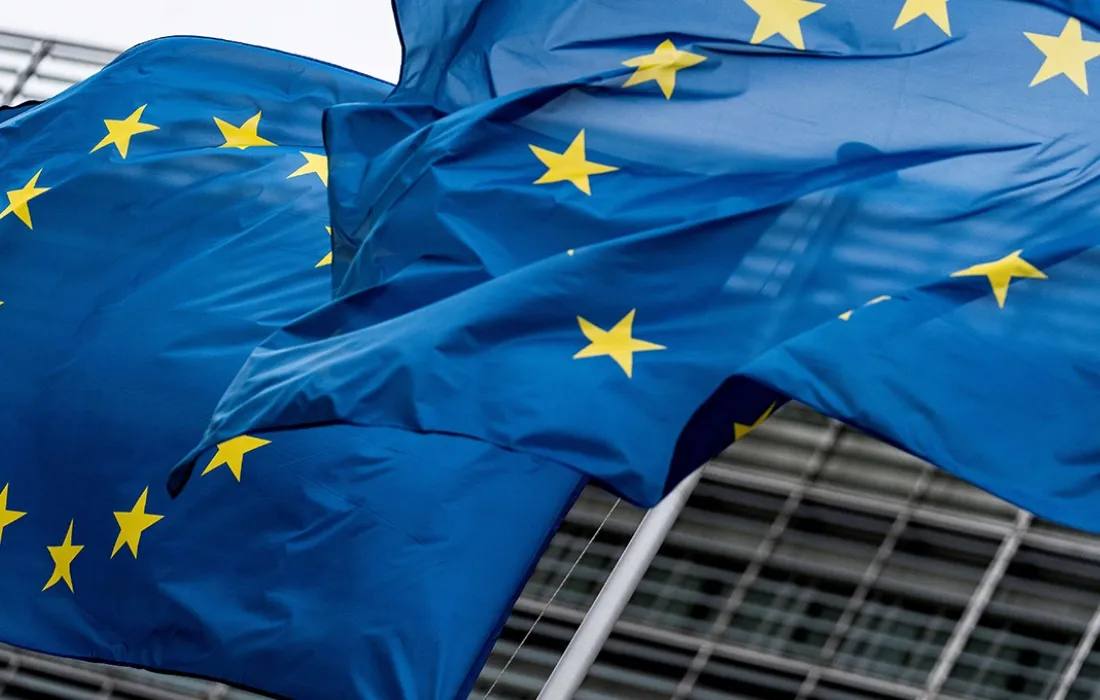
 Ukraine
 Serbia
 Danube