

Researchers from Szeged develop a new method to combat water scarcity
 Hungary
27.04.2026
Hungary
27.04.2026
Researchers from the University of Szeged / Szegedi Tudományegyetem (SZTE) have developed a methodology for comprehensive geospatial analysis designed to identify areas suitable for local water retention and groundwater replenishment. The project is primarily focused on regions where the effects of climate change are already leading to critical water shortages, declining groundwater levels and growing risks for agriculture.
According to Hungarian sources, SZTE researchers are supporting practical efforts to replenish water reserves through advanced geospatial analysis. This is not merely an academic modelling exercise, but an attempt to create a decision-support tool for water management.
The research focuses on the Southern Great Plain of Hungary, particularly the southern part of Békés County. In this area, the frequency of droughts and the scale of water deficit have already reached a level that directly affects agricultural production, soil conditions, local ecosystems and the socio-economic resilience of territories.
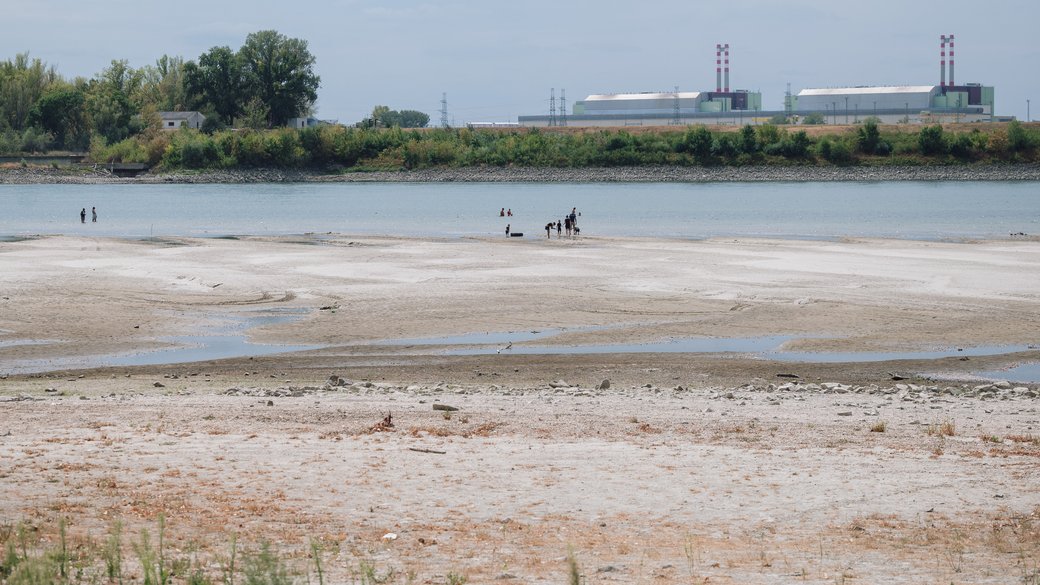
The problem is systemic. Declining groundwater levels, increasing evaporation, the loss of the landscape’s natural capacity to retain moisture and the drying of lowland areas are creating a new reality for water governance. Under these conditions, the traditional approach, focused mainly on draining excess water, is increasingly giving way to a model of local water retention, accumulation and restoration of water resources.
The Department of Physical and Environmental Geography at SZTE conducted a series of studies identifying thousands of local depressions, former riverbeds and other landscape features potentially suitable for natural or technically managed water retention.
The methodology combines several categories of data: topographic characteristics, soil conditions, land use, existing infrastructure and hydrogeographic parameters. This approach makes it possible to identify not abstract risk zones, but specific sites where interventions can be planned: local retention of surface runoff, restoration of natural depressions, support for wetland elements of the landscape or replenishment of groundwater resources.
The head of the research project, György Sipos, emphasised that strengthening the region’s climate resilience cannot be based on subjective decisions. For this reason, the team created a scientifically grounded decision-support system integrating natural, spatial and infrastructure data.
The project is particularly important because its results can be used not only for scientific analysis, but also for planning concrete technical measures. Representatives of Hungary’s General Directorate of Water Management (OVF) view these findings as a tool for designing a climate-adapted water management system.
This means moving towards a more integrated model in which water management, agricultural policy, spatial planning and climate adaptation are treated as interconnected areas. In the long term, such a system should help stop landscape drying, improve water security and strengthen the resilience of lowland agricultural regions.
Comment by the Institute of Danube Research
For the Institute of Danube Research (IDR), this experience is especially relevant, as the problem of water scarcity, degradation of small water systems and declining water levels in lowland areas is not limited to Hungary. Similar challenges are observed in the Ukrainian Danube region, where the condition of lakes, canals, floodplains and water exchange systems directly affects environmental security, agriculture, fish resources and the quality of life of local communities.
The SZTE method demonstrates an important governance logic: before investing in hydraulic engineering solutions, it is necessary to have an accurate spatial picture — where water can be retained naturally, where technical intervention is required, and where restoring the water balance is most economically or environmentally justified.
For Ukraine, this is particularly relevant in the context of adapting the Danube region to climate change. There is a need to develop similar decision-support systems for the areas around Lakes Kytai, Katlabukh, Safiany, Yalpuh and Kuhurlui, as well as for canals and floodplain landscapes that are increasingly under pressure from water scarcity.
Vitaliy Barvinenko, Director of the Institute of Danube Research, Doctor of Law, Professor:
“ The experience of the University of Szeged shows that modern water management must rely not only on hydraulic engineering solutions, but also on accurate spatial data. For the Ukrainian Danube region, this is an extremely important approach, as water scarcity in lowland regions is already becoming a factor of environmental, agricultural and social security.
We need to move from reactive crisis response to systemic planning: identifying areas where water can be retained, restoring natural water-exchange processes, and combining the interests of communities, the agricultural sector and ecosystems. Geospatial analysis can become one of the key tools of such a policy. ”
The development by researchers from Szeged demonstrates that the fight against water scarcity is gradually moving from general declarations to precise, spatially grounded management decisions. For the Danube–Black Sea region, this is of fundamental importance: future water security will depend on the ability of states, regions and communities to view the landscape as an integrated system in which water must not only be drained, but also preserved, restored and used to support the long-term resilience of territories.

 Bulgaria
 Romania
 Ukraine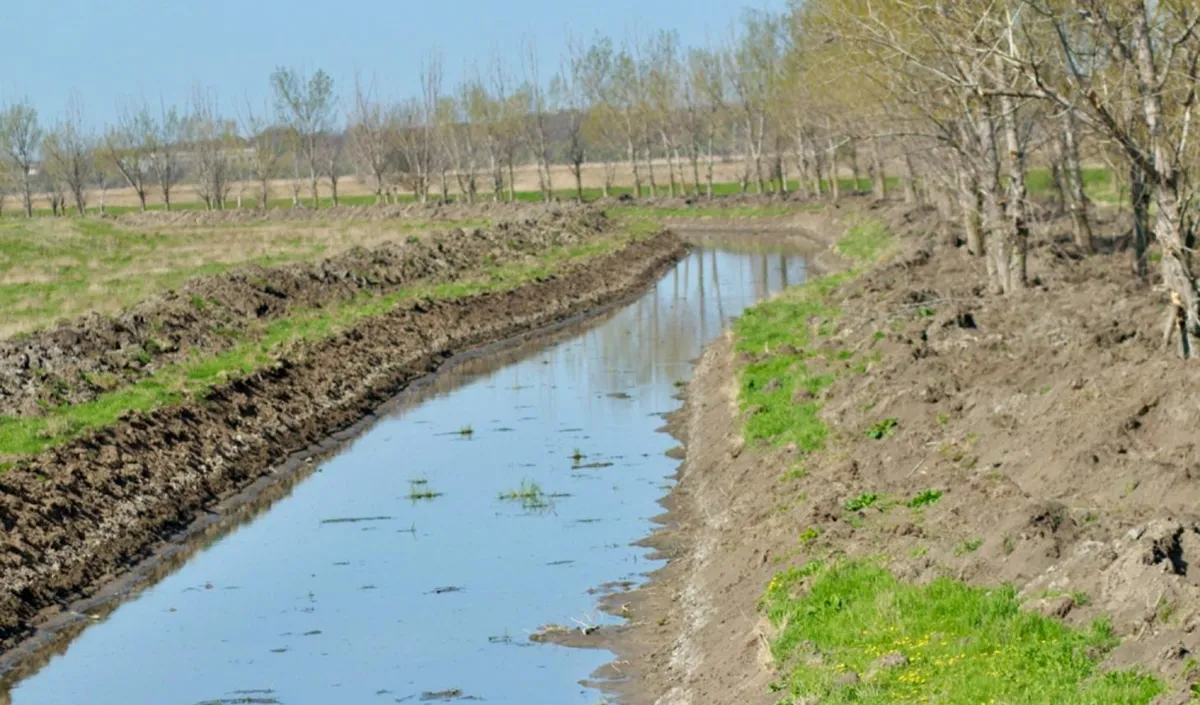
 Moldova
 Serbia

 Danube