


The return of the eagle owl continues in Odesa region’s Danube Delta — one of Europe’s key nocturnal predators
 Ukraine
21.04.2026
Ukraine
21.04.2026
In the Danube Delta in Odesa region, the reintroduction program for the Eurasian eagle owl (Bubo bubo) — Europe’s largest owl and an important apex predator of wetland ecosystems — is continuing. According to Rewilding Ukraine and related publications by Rewilding Europe, the reintroduction program in the Ukrainian part of the delta remains underway, and by November 2025, a total of 19 individuals had already been released into the wild. In April 2026, the topic once again received broad media attention as an example of how conservation work in the region continues despite the war.
The return of the eagle owl is significant not only symbolically, but also in practical terms for the ecological stability of the delta. This species acts as a natural regulator of small mammal populations, particularly rodents, which in turn reduces pressure on ground-nesting birds in marsh and coastal habitats. For this reason, restoring the population of such predators is an important component of maintaining trophic balance in one of Europe’s largest natural wetland areas.
As previously reported, one of the recorded stages of the program involved the release of four young birds — two males and two females. After hatching in Lviv region, they underwent preparation for life in the wild, including rehabilitation at Odesa Zoo, and before their release they stayed in an acclimatization enclosure near Vylkove. Some of the birds were also equipped with GPS transmitters for further monitoring of their movements and behaviour.
IDR Commentary
The return of the eagle owl to the Ukrainian part of the Danube Delta is an example of why ecological restoration in the region should be viewed as a component of the long-term security and resilience of the Danube area. This is not only about protecting a single species, but also about restoring natural ecosystem regulation mechanisms that directly affect wetlands, bird populations, landscapes, and the quality of the environment for local communities. In wartime conditions, such initiatives acquire additional importance, as they demonstrate that Ukraine’s recovery must include not only an infrastructural dimension, but also an environmental one.
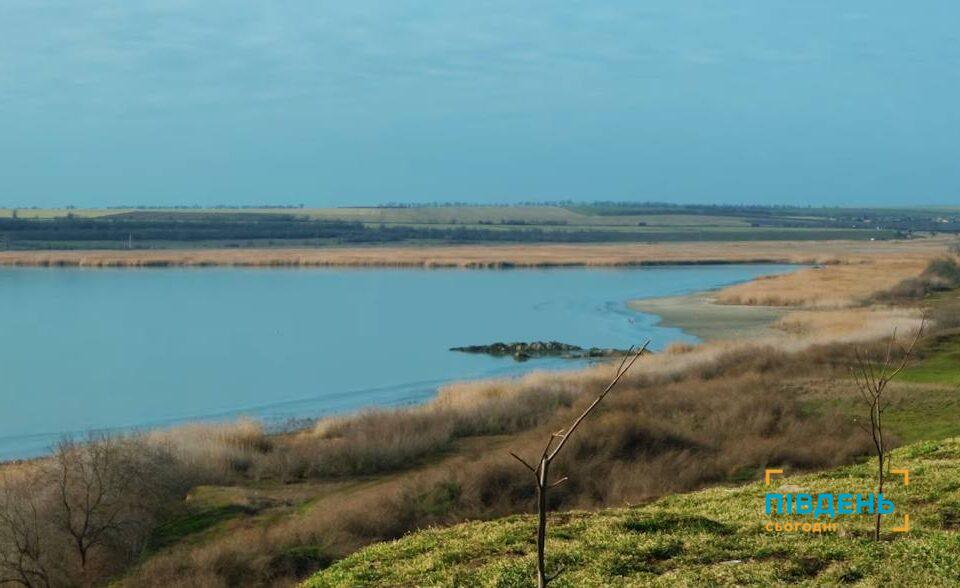
For the Ukrainian Danube region, this development is also important in a broader context. The Danube Delta is not merely a biodiversity hotspot, but a territory where ecological restoration, climate resilience, nature-based tourism, and support for local communities intersect. Rewilding Europe directly identifies the eagle owl reintroduction program as one of the key conservation initiatives in this landscape, alongside lake restoration, the return of large herbivores, and the development of local nature-based projects.
According to IDR experts, such programs in the Danube Delta should be considered part of a broader policy of ecological rehabilitation of the Ukrainian Danube region, where biodiversity conservation, water resource management, and support for sustainable local development should form a single integrated agenda.

 Danube

 Bulgaria
 Moldova
 Romania


 Serbia
 Hungary


 Germany