

A direct rail link between Kyiv and Chișinău Airport to be launched: Ukrzaliznytsia tests extension of train No. 351 to Revaca station
 Ukraine
13.04.2026
Ukraine
13.04.2026
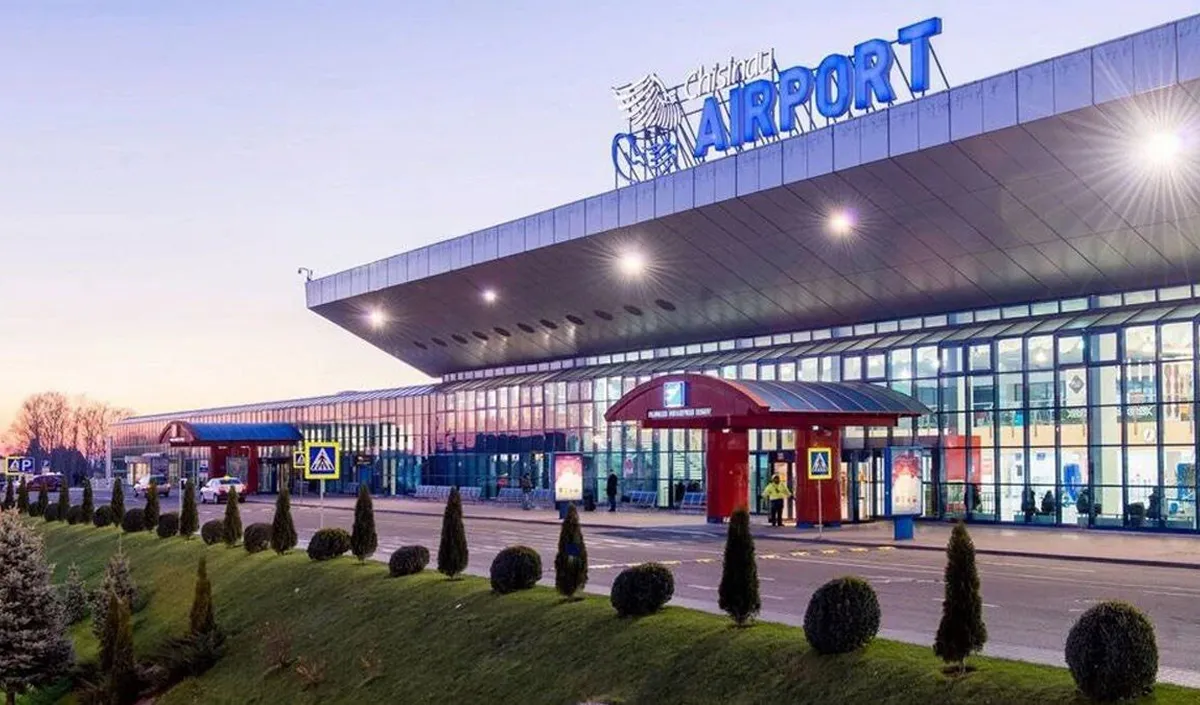
Ukraine and Moldova are taking another practical step toward strengthening transport connectivity between the two countries. The state railway company Ukrzaliznytsia has announced that on April 13, 2026, train No. 351 Kyiv–Chișinău will be extended on a test basis to Revaca station, located near Chișinău International Airport. From there, passengers will be transported directly to the airport terminals by free shuttle buses. The project is being implemented jointly with Moldovan partners.
According to the railway operator, the test run is intended to assess the convenience of the new travel option and actual passenger demand for the service. If demand proves high, the stop at Revaca may be added to the route of train No. 351 on a permanent basis.
In practical terms, this is not merely a technical extension of an existing international service, but the creation of a new combined transport solution linking rail travel between Kyiv and Chișinău with direct access to Moldova’s main aviation hub. This format may be especially востребовано under current regional mobility conditions, when passengers are seeking predictable, safe, and relatively convenient ways to reach an international airport for onward travel.
Comment by the Institute of Danube Research
The test extension of the Kyiv–Chișinău train to Revaca station should be viewed as an important example of adaptive transport cooperation between Ukraine and Moldova. Its significance goes beyond passenger convenience alone: in fact, a new element of international mobility is being formed, combining railway infrastructure with airport logistics and creating a more integrated model of cross-border connectivity.
For Ukraine, this decision is important in terms of expanding citizens’ access to external transport hubs; for Moldova, it strengthens Chișinău’s role as a regional transport gateway. In a broader context, such routes contribute to the convergence of the two countries’ transport systems, increase practical connectivity, and demonstrate that even targeted infrastructure and logistics decisions can produce a substantial integration effect.
If stable passenger demand is confirmed, the stop at Revaca may become a permanent part of the international rail route, while the project itself could serve as a model for the further development of multimodal transport in the region.


 Danube


 Bulgaria
 Moldova
 Romania

 Serbia
 Hungary
 Germany