

A New Type of Grain Trader: Arista Trade Enters Ukraine’s Top Five Exporters
 Ukraine
13.03.2026
Ukraine
13.03.2026
The Ukrainian agricultural market is increasingly shaping a new grain trading model in which logistics speed, minimization of intermediate operations, and the ability to adapt export chains to wartime conditions play a decisive role. One of the most illustrative examples of this approach is Arista Trade, which, according to the specialized agribusiness outlet Latifundist, has entered the top five largest exporters of agricultural products from Ukraine.
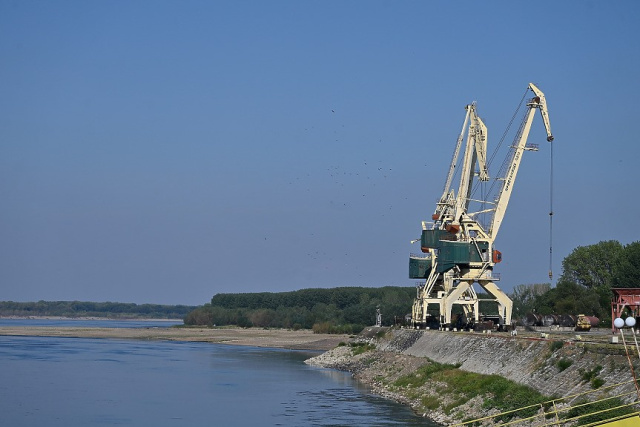
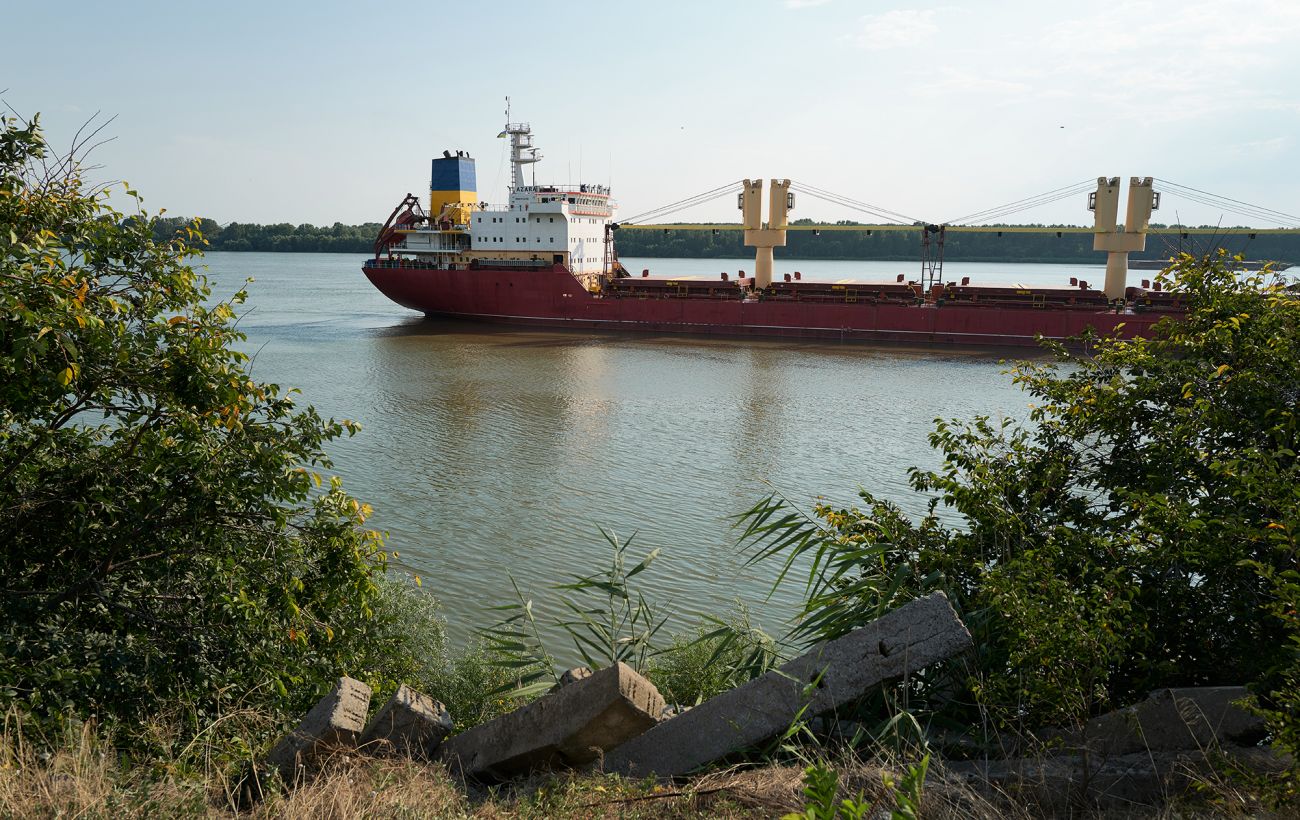
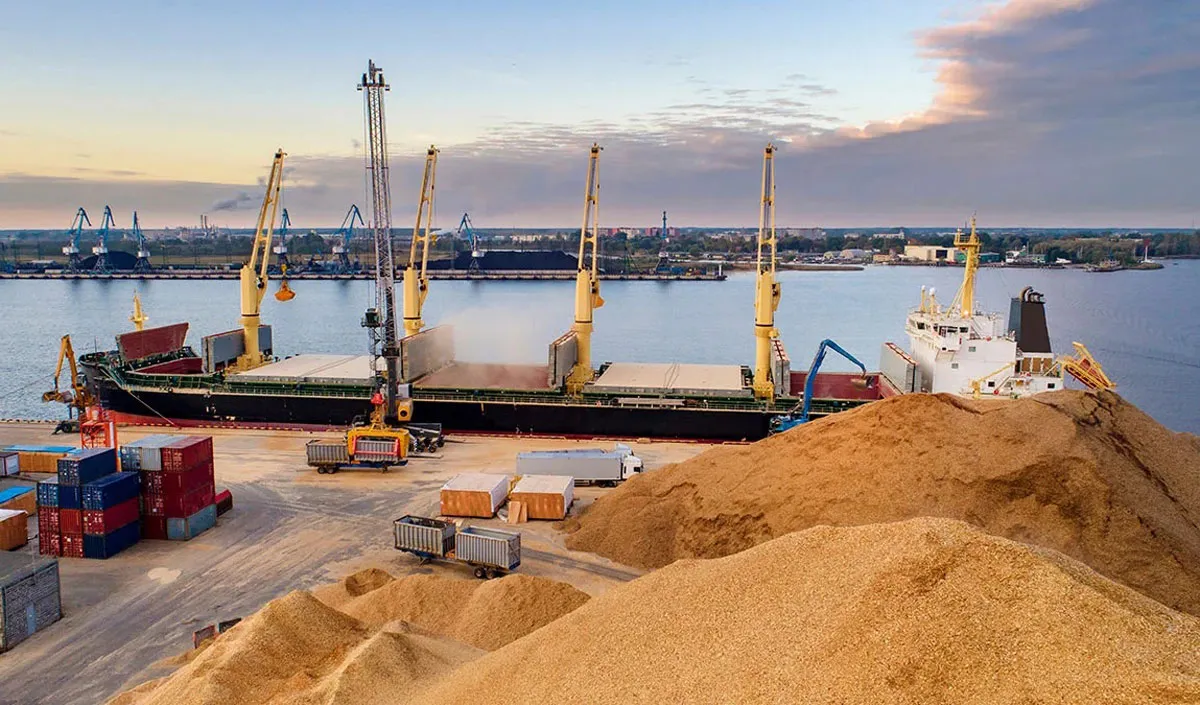
According to the company’s CEO, Mykhailo Voronych, one of Arista Trade’s main competitive advantages was its отказ from the traditional model of grain accumulation in storage facilities in favor of direct logistics through the Danube. The company built a scheme under which several barges operated simultaneously on the Danube route, transporting grain directly to Constanța without intermediate storage or accumulation. In the port of Constanța, the cargo was reloaded onto large-capacity vessels using a floating crane.
This approach significantly reduced handling costs. According to the company, in 2022–2023 the savings reached about USD 8 per ton simply because additional storage and handling stages were avoided. In this sense, logistics optimization became one of the key factors behind the company’s rapid market growth.
In practice, this reflects a shift from the traditional storage-based trader model to a flow-coordinating trader model that generates value not only through commercial margins but also through the efficiency of logistics architecture. Under wartime conditions, when the cost of time, freight, transshipment, and access to export corridors has sharply increased, such a model has proven more resilient and scalable.
Arista Trade is known as a Ukrainian company specializing in the wholesale trade of grain, vegetable oils, and biofuels, operating in both Ukrainian and European markets. The company focuses on bringing Ukrainian agricultural products to global markets while cooperating with a broad network of farmers and suppliers. Its stated priorities include strict control over product quality and safety through supplier verification and laboratory monitoring of all cargo batches.
IDR Comment
The Institute for Danube Region Studies believes that the example of Arista Trade reflects a structural shift in Ukrainian agricultural exports: competitiveness is increasingly determined not only by the volume of resources, but by the ability to organize multimodal cargo flows quickly and with minimal operational costs. In this context, the Danube is becoming a space for the emergence of new business models, where logistics flexibility, synchronization with Romanian ports, and minimization of downtime become the key drivers of market success.
For the Ukrainian Danube region, the Arista Trade case is important not only as a story of corporate growth, but also as an indicator of a deeper transformation in export logistics. In this model, the Danube route acts not as a secondary option, but as a fully fledged platform for creating new market advantages. The combination of river delivery, fast transshipment, and integration with the port of Constanța is shaping a new type of exporter that depends less on traditional storage infrastructure and more on real-time coordination of the supply chain.

 Bulgaria
 Hungary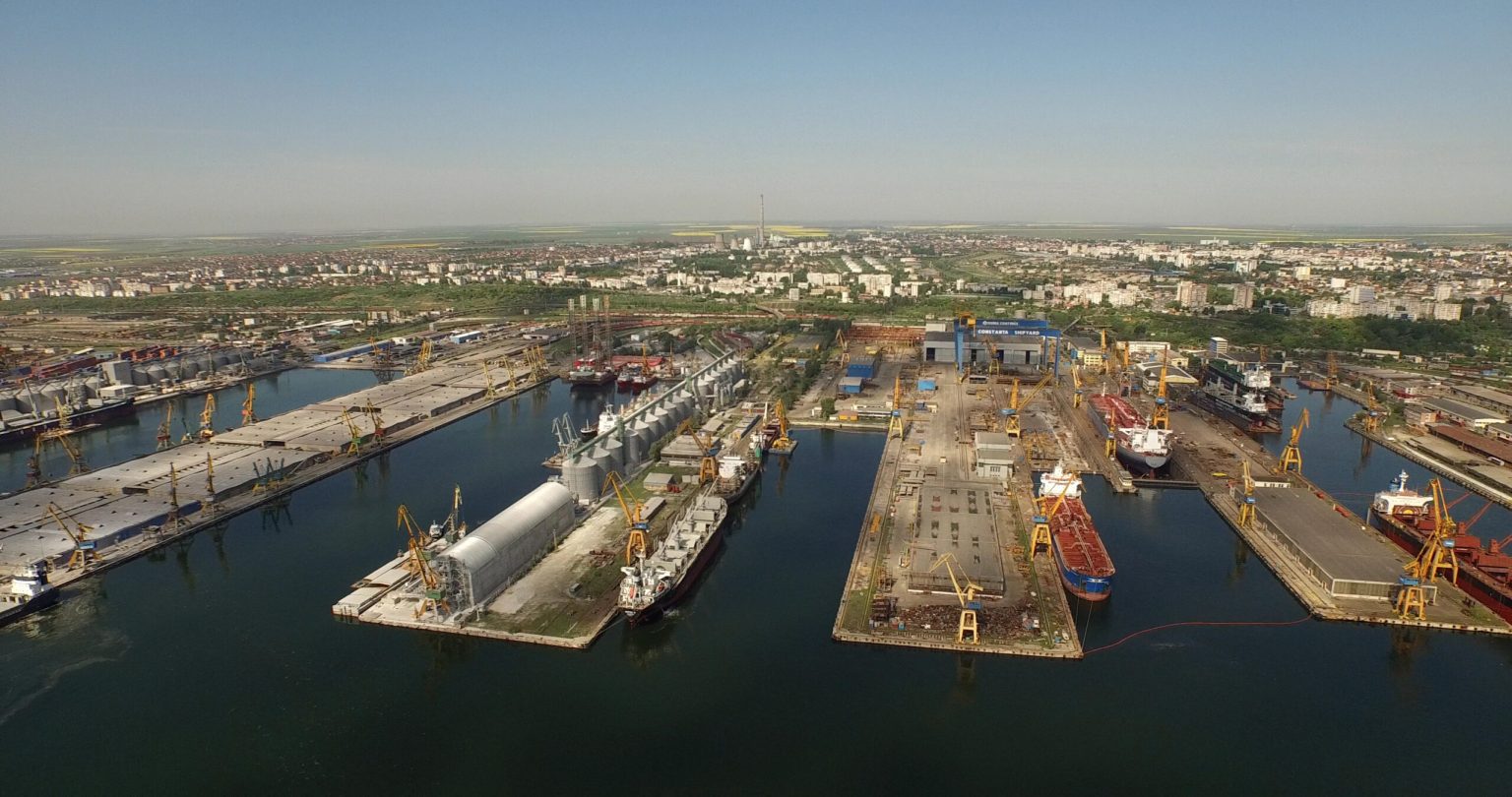
 Romania
 Moldova
 Serbia

 Danube