

A systemic solution is being sought in southern Odesa region to save the Danube lakes: the focus is on automating hydraulic structures and forced replenishment of water bodies
 Ukraine
09.04.2026
Ukraine
09.04.2026
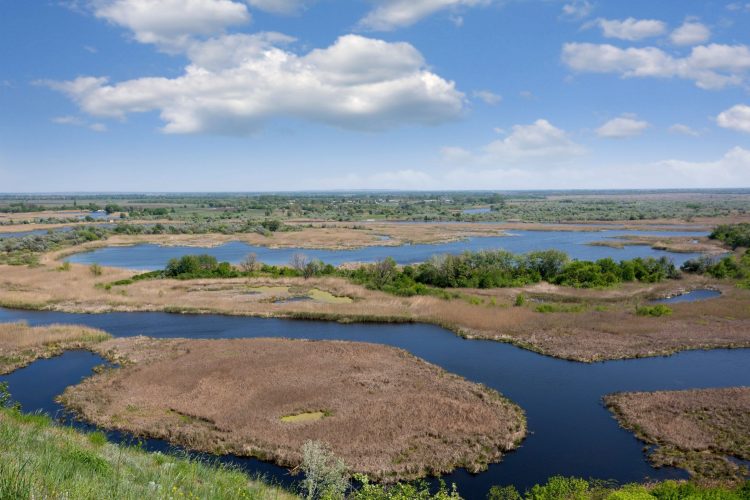
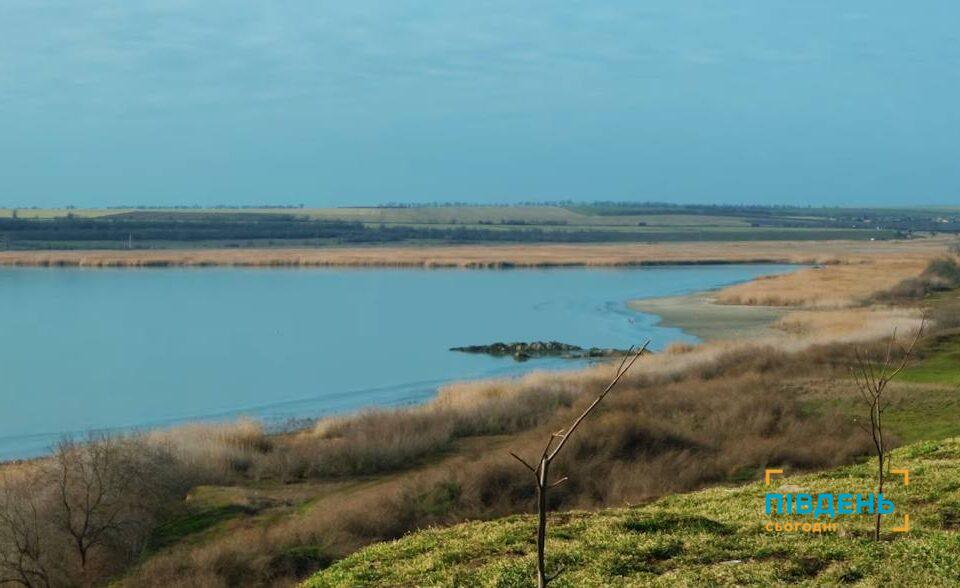
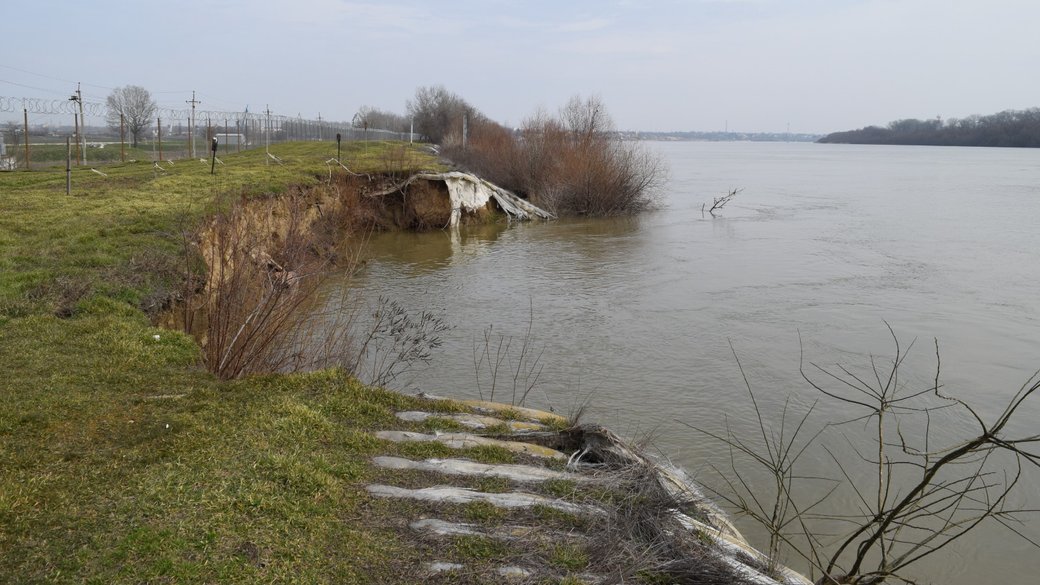
Government and regional authorities are moving from situational responses toward a more systemic model of water resource management in the Danube part of Odesa region. During a working meeting held on April 7, 2026, with the participation of Deputy Minister of Economy, Environment and Agriculture of Ukraine Iryna Ovcharenko, representatives of central government bodies and local self-government discussed a package of measures aimed at stabilizing the water regime of Lakes Katlabukh, Yalpuh-Kitay. Lakes Katlabukh, Kitay and Safiany, as well as restoring the proper functioning of the region’s water management infrastructure.
Although in 2026 some of the Danube lakes were naturally replenished with water from the Danube, the Ministry of Economy, Environment and Agriculture directly points out that this is only a temporary improvement and does not resolve the structural problem. In summer, these water bodies again experience falling water levels, disrupted water exchange, and significant losses caused by surface evaporation.
Among the practical steps currently under consideration is the modernization of water resource management through the installation of automated water-level sensors and the further automation of sluice gates. Energy-efficient solutions are also being proposed, including the use of solar energy to automate pumping stations. According to the ministry, this will make it possible to regulate water supply from the Danube to the lakes more flexibly and efficiently, reduce infrastructure operating costs, and improve the stability of water supply for communities and the agricultural sector.
A separate part of the discussion focused on the need for forced replenishment of the lakes. Priority is being given to Lake Katlabukh because of its key role in irrigating agricultural land and supplying water to communities in southern Odesa region. At the same time, the issue was raised of transferring the hydraulic structures of the Danube flood-protection complex to the balance sheet of the Odesa Regional State Administration for their further maintenance and operation, as well as resolving the status of some of these structures.
It is telling that as early as August 2025, the Odesa Regional State Administration publicly described the situation as critical: the region reported that more than UAH 120 million had been directed since 2020 toward replenishing lakes, developing irrigation networks, and clearing waterways, and also emphasized the need for urgent funding to restore water exchange, above all in Lake China. This indicates that the current decisions are not a one-off response, but rather a continuation of a longer cycle of crisis management in the Danube water system.
Comment by the Institute of Danube Research
The current discussion around Lakes Katlabukh, Kitay and Safiany demonstrates an important shift in state policy: the problem of the Danube lakes is beginning to be viewed not only as an environmental issue, but also simultaneously as an infrastructural, socio-economic and security issue. IDD experts have repeatedly noted that for southern Odesa region these lakes perform at least four critical functions: supplying water to communities, supporting irrigation, preserving local ecosystems, and mitigating climate risks. Their depletion therefore directly affects agricultural resilience, quality of life, and the long-term viability of the region’s water management system.
From the Institute’s perspective, automation of sluices and pumping stations is a correct but insufficient step on its own. It can significantly improve the operational management of water flows, but it cannot replace a basin-based approach, within which hydrological modeling, environmental monitoring, infrastructure energy supply, operating regimes for hydraulic structures, and the balancing of interests among communities, water users, and the state must be combined. That is why the initial water balance calculations mentioned by the ministry should become the basis not for isolated interventions, but for a full-fledged management program for the Danube lakes.
The Director of the Institute of Danube Research, Vitaliy Barvinenko, separately drew attention to the international context.
“In January 2026, UNU-INWEH published its Global Water Bankruptcy report, which describes the transition of many river basins and aquifer systems around the world into a state of chronic water deficit, where a return to the historical ‘norm’ can no longer be regarded as guaranteed. For the Ukrainian Danube region, this means that relying only on favorable natural cycles is strategically risky: controlled, energy-efficient and financially sustainable mechanisms for maintaining the water regime are needed,” V. Barvinenko noted.
In this sense, the Danube lakes should undoubtedly be regarded as an element of critical regional infrastructure. Without proper technical maintenance of hydraulic structures, a clear balance of responsibility between the state and the region, and stable financing for water-exchange measures and forced replenishment, the problem will recur season after season. Therefore, the key challenge for 2026 is not only to “pump water” into the most vulnerable lakes, but to create a permanent adaptation system for the Danube region in response to droughts, evaporation losses, and changes in the hydrological regime of the Danube.


 Danube


 Bulgaria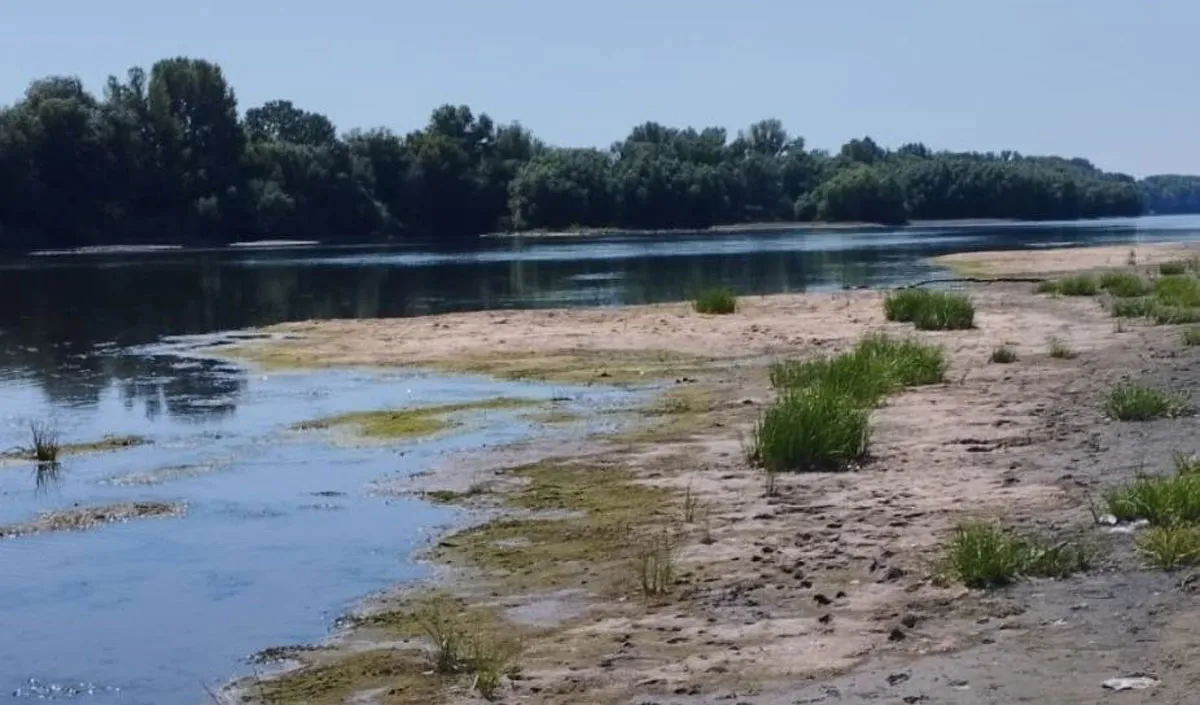
 Moldova
 Romania

 Serbia
 Hungary

 Germany