

Applications submitted for the “Fast Danube 2” project – a strategic investment to revitalise the Romanian–Bulgarian stretch of the Danube
 Romania
11.02.2026
Romania
11.02.2026
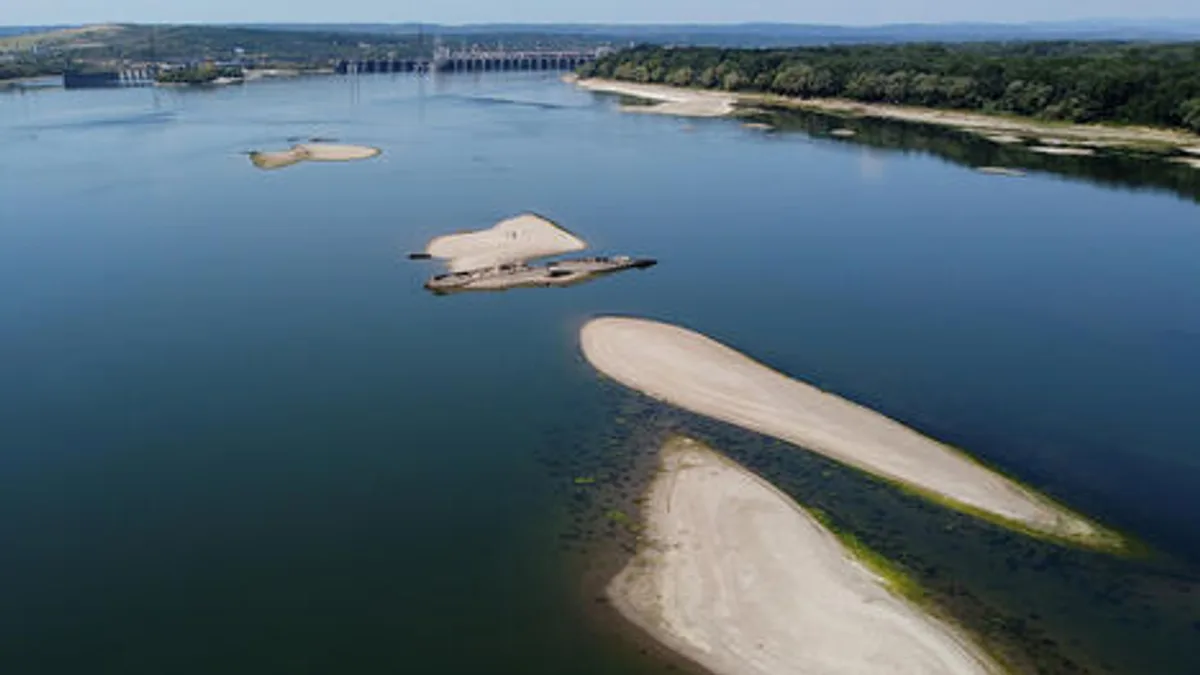
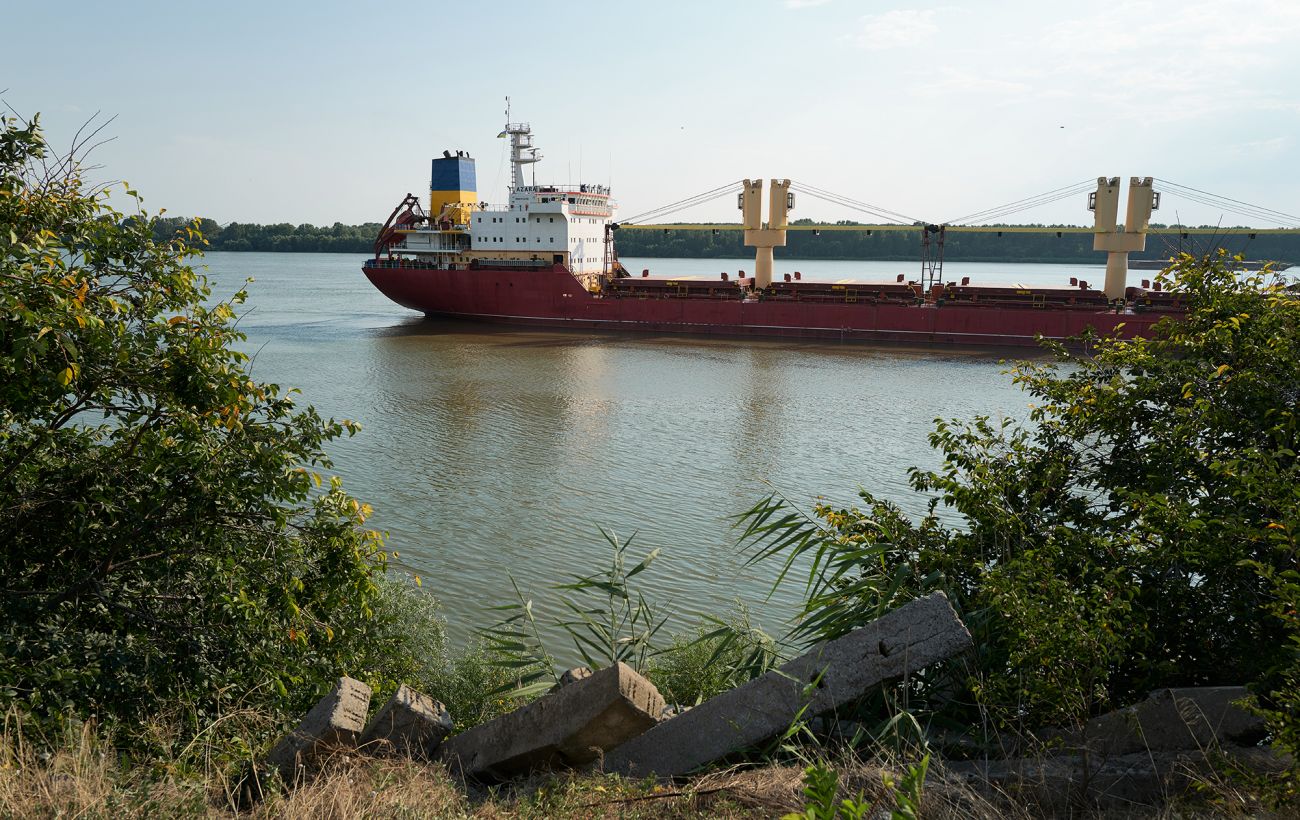
Romania’s Minister of Transport Ciprian Șerban announced that two bids have been submitted for the design and implementation tender of the “Fast Danube 2” project, aimed at the comprehensive revitalisation of the Romanian–Bulgarian stretch of the Danube, covering more than 470 kilometres. The total estimated value of the project is approximately EUR 170 million.
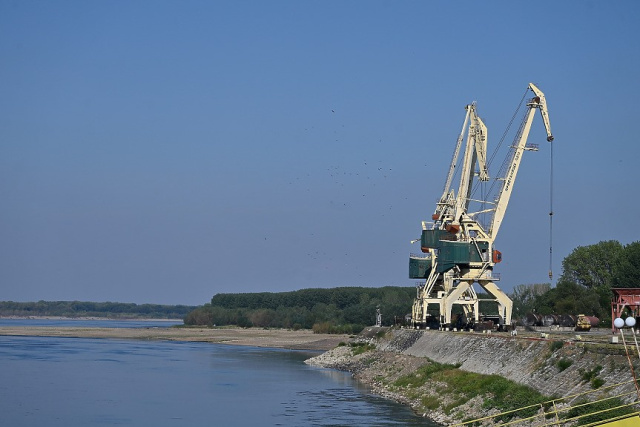
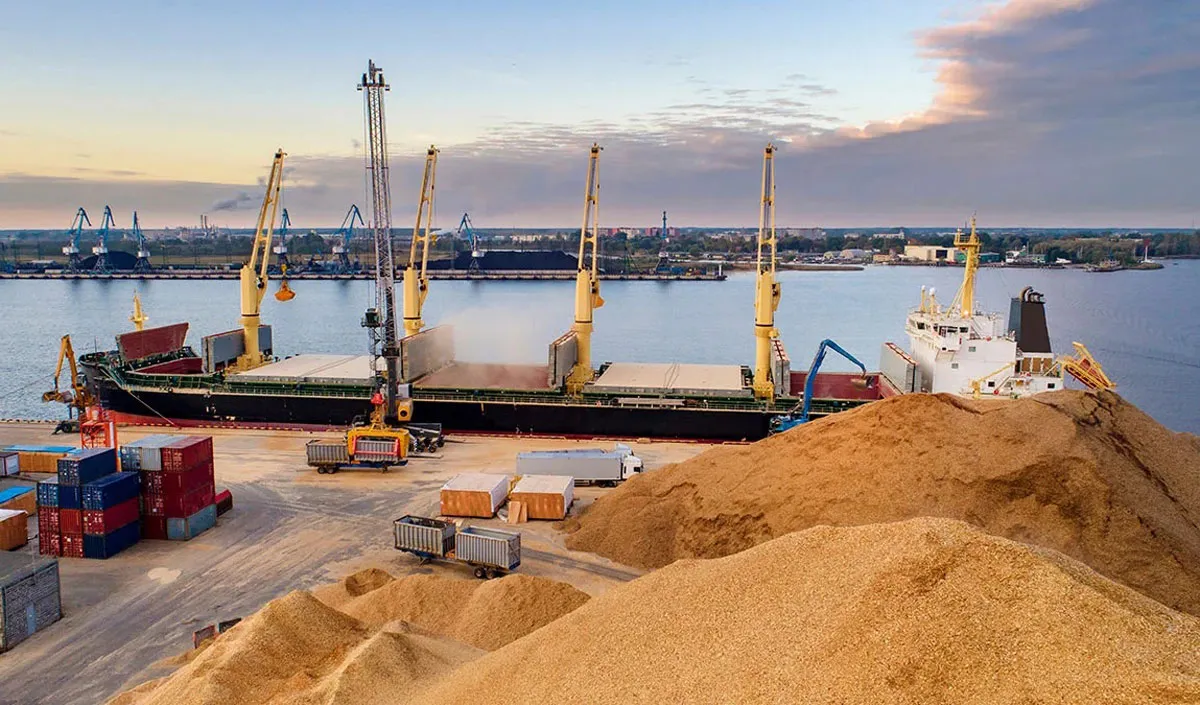
According to the minister, the strong interest shown by the market confirms the strategic relevance and economic feasibility of this major infrastructure investment. The implementation of “Fast Danube 2” is expected to extend the annual navigation period from 280 to 340 days and to increase river freight volumes by around 20%. These effects are anticipated to strengthen inland waterway transport within the regional multimodal logistics system and to support broader regional economic development.
The technical scope of the project includes:
dredging and improvement of approximately 110 km of the navigable channel;
construction of 9 piers and 4 groynes (chevrons) for riverbed stabilisation;
execution of 5.45 km of bank protection works;
creation of an artificial island as part of hydraulic engineering optimisation.
The tender evaluation phase is currently under way. The Ministry of Transport has indicated that the contract signature is planned no later than July 2026. The Romanian government considers this project a key element of its long-term strategy to invest in transport infrastructure and to enhance the role of the Danube as a major European logistics axis.
Comment by the Institute of Danube Research
From a systemic public investment perspective, “Fast Danube 2” represents a shift from fragmented dredging interventions to integrated management of navigation conditions along an international section of the Danube. Its strategic value lies not only in improving guaranteed depths, but also in creating a more predictable and resilient navigation regime, which is essential for the integration of inland waterways into the Trans-European Transport Network (TEN-T).
For Danube countries, including Ukraine, the project sets an important precedent by combining large-scale infrastructure development with environmental constraints, cross-border coordination and a long-term economic rationale. In a broader macro-regional context, “Fast Danube 2” can be regarded as a contribution to strengthening the resilience of the Danube–Black Sea logistics area and reducing dependence on more vulnerable maritime routes.

 Bulgaria
 Hungary

 Ukraine
 Moldova
 Serbia

 Danube