


Asiana Airlines launches direct flights between Budapest and Seoul: a new stage in strengthening air connectivity between Hungary and South Korea
 Hungary
08.04.2026
Hungary
08.04.2026
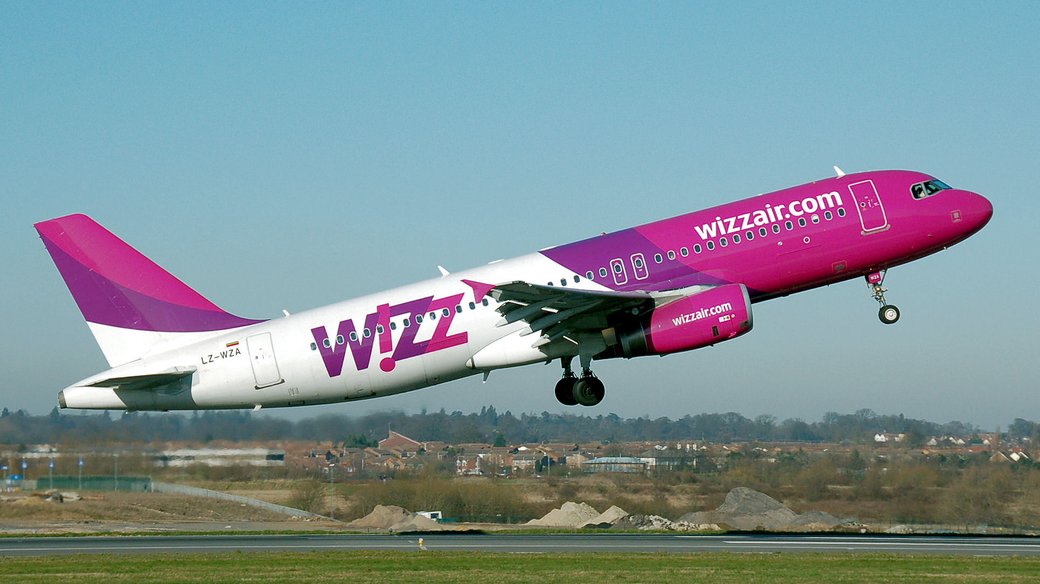
Following Korean Air, South Korea’s second-largest airline, Asiana Airlines, is also launching direct flights between Budapest and Seoul. The new route will operate three times a week, and together with Korean Air’s existing service, passengers will have access to daily direct connections between the two capitals during the summer season.
According to the Hungarian Ministry of National Economy, the launch of the new route became possible after a recent agreement between the aviation authorities of Hungary and South Korea to increase bilateral passenger traffic rights from six to fourteen flights per week. This decision opened the way for Asiana Airlines to enter the Budapest–Seoul market.
The Hungarian side views the launch as another important milestone in the development of Budapest Ferenc Liszt International Airport. In 2025, the airport recorded a historic year, handling 19.6 million passengers and 420,000 tonnes of cargo. The government also highlighted further infrastructure projects aimed at strengthening the competitiveness of the transport hub, including the construction of a new terminal, the reconstruction of the airport expressway, and the development of a rail connection to the airport.
According to the ministry, last year an average of three regular flights per week operated between the capitals of Hungary and South Korea, with an impressive load factor of over 90%. A total of 148,000 passengers were carried on the route, indicating strong and stable demand for direct air services between the two countries.
During the peak summer season, the Budapest–Seoul route will offer seven weekly flights in total, with Asiana Airlines operating its new service using Airbus A350 aircraft.
Máté Loga, State Secretary for Economic Development and Industry and Chairman of the Board of Budapest Airport Zrt., stressed that Budapest Airport is consistently working to expand its route network and offer a broader portfolio of promising international destinations. He also emphasized that the airport, which returned to state ownership in the summer of 2024, is the country’s main air gateway and an important instrument of Hungary’s international connectivity.
The Hungarian government also links the development of air connectivity with deeper economic ties between the two countries. South Korea is Hungary’s fourth-largest investor. According to official data, in 2023 South Korean foreign direct investment exceeded USD 9 billion, accounting for 7.7% of Hungary’s total FDI stock. At present, 259 South Korean companies operate in Hungary, employing around 24,000 people.
The statement also notes that South Korean business interest in Hungary remains high. In particular, Harman Becker is strengthening its presence in Hungary through three investment projects supported by HIPA, with a combined value of more than EUR 130 million. Tourism demand is also growing, with South Korean visitors spending nearly 295,000 guest nights in Hungary last year.
Comment by the Institute of Danube Research
The launch of Asiana Airlines flights between Budapest and Seoul reflects the deepening of Hungary’s transport, investment, and tourism ties with the Asian direction. In practical terms, this means not only expanded passenger mobility, but also the further strengthening of Budapest as a central aviation hub in Central Europe. Importantly, the new connection is supported not only by market demand, but also by the broader foundation of South Korea’s economic presence in Hungary. For the region, this is a notable example of how international air network development can work in synergy with investment policy, logistics modernization, and the shaping of a country’s role as a bridge between Europe and Asia.

 Ukraine
 Danube


 Bulgaria
 Moldova
 Romania




 Serbia

 Germany