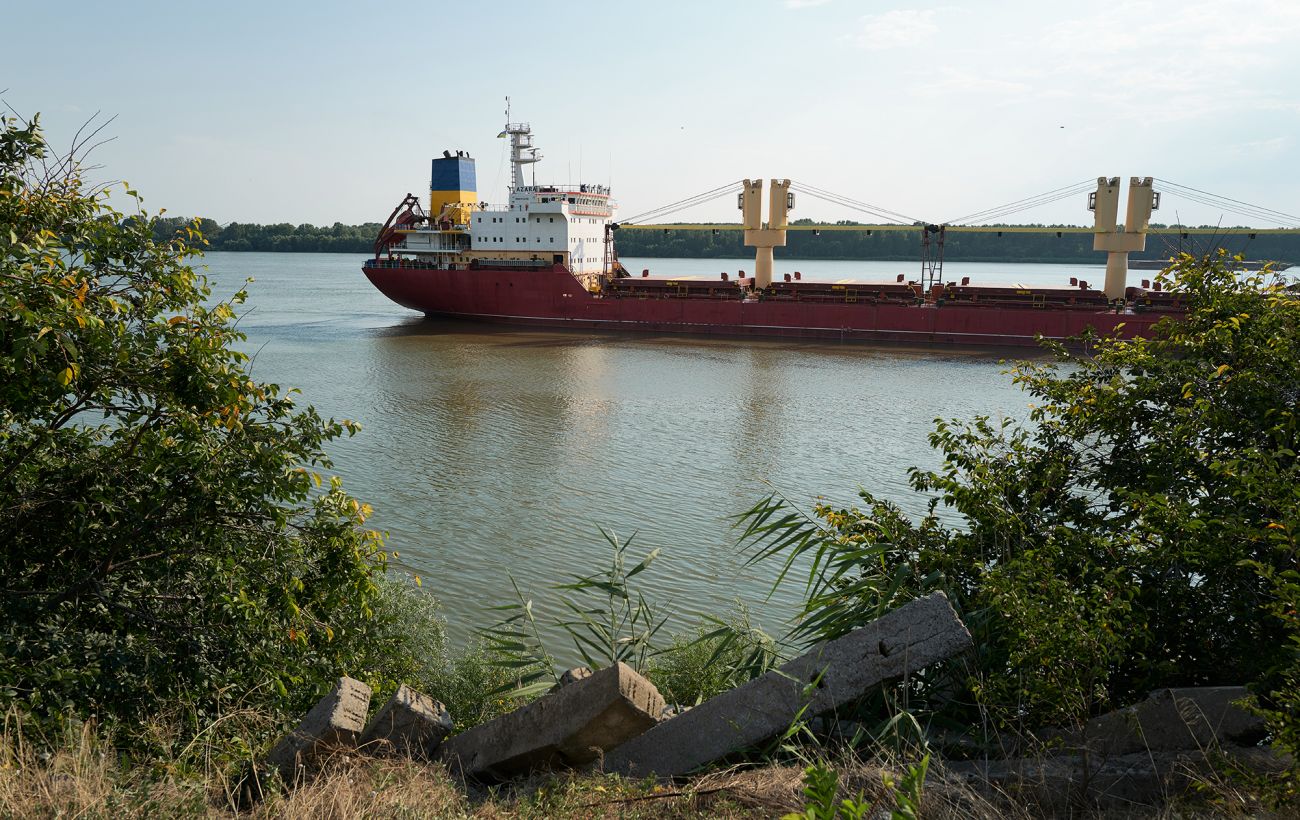


Emergency repairs on the “Danube Bridge” halted traffic for five hours
 Bulgaria
12.03.2026
Bulgaria
12.03.2026
On March 12, 2026, traffic of all vehicles across the Danube Bridge between Ruse and Giurgiu was temporarily suspended from 10:00 a.m. to 3:00 p.m. due to emergency road surface repairs. The restriction was introduced by Bulgaria’s Road Infrastructure Agency after damage was identified on a section of the bridge deck that had not undergone recent repair work.
According to Bulgarian media reports, the emergency intervention was caused by intense traffic, which further deteriorated the road surface and created risks for road accidents. The repairs were carried out on the part of the bridge that had not been covered by earlier stages of large-scale reconstruction.
For drivers who still needed to cross the Bulgarian-Romanian border, the authorities recommended alternative routes. In particular, transit traffic was redirected via the first-class I-1 road Sofia–Vidin and the Danube Bridge 2 at Vidin–Calafat, as well as via the I-7 Silistra–Shumen road toward the Silistra border checkpoint.
In a broader context, this incident once again highlights the vulnerability of one of the key land crossings between Bulgaria and Romania. Even relatively short-term traffic suspensions affect freight schedules, border crossing times, and the predictability of regional logistics flows.
IDR comment
The Institute of Danube Research notes that the five-hour suspension of traffic on the Ruse–Giurgiu Danube Bridge is significant not only for local mobility, but also for the wider transport and logistics system of the Lower Danube region. This crossing remains one of the principal overland links between the Balkans, Romania, Ukraine, and Central Europe. As a result, even short disruptions may affect delivery schedules, increase transport costs, and reduce the reliability of cross-border supply chains.
From an analytical perspective, the situation reveals several structural challenges. First, it reflects chronic infrastructure overload at a limited number of cross-border transit points. Second, repair works on critical infrastructure are increasingly shifting from planned maintenance to emergency intervention, indicating the need for faster modernization of bridge crossings in the Lower Danube basin. Third, for Ukraine, this development is an additional argument in favor of diversifying land and river routes to the EU in order to reduce dependence on individual infrastructure bottlenecks.
In the view of the IDR, such incidents should encourage regional governments and European partners to accelerate the modernization of existing bridge crossings, improve coordination among road authorities, and develop backup logistics routes throughout the Danube–Black Sea area.


 Hungary
 Romania
 Ukraine
 Moldova
 Serbia

 Danube