

Fuel exports from Giurgiulesti Port may be restricted if reserves decline
 Moldova
09.03.2026
Moldova
09.03.2026
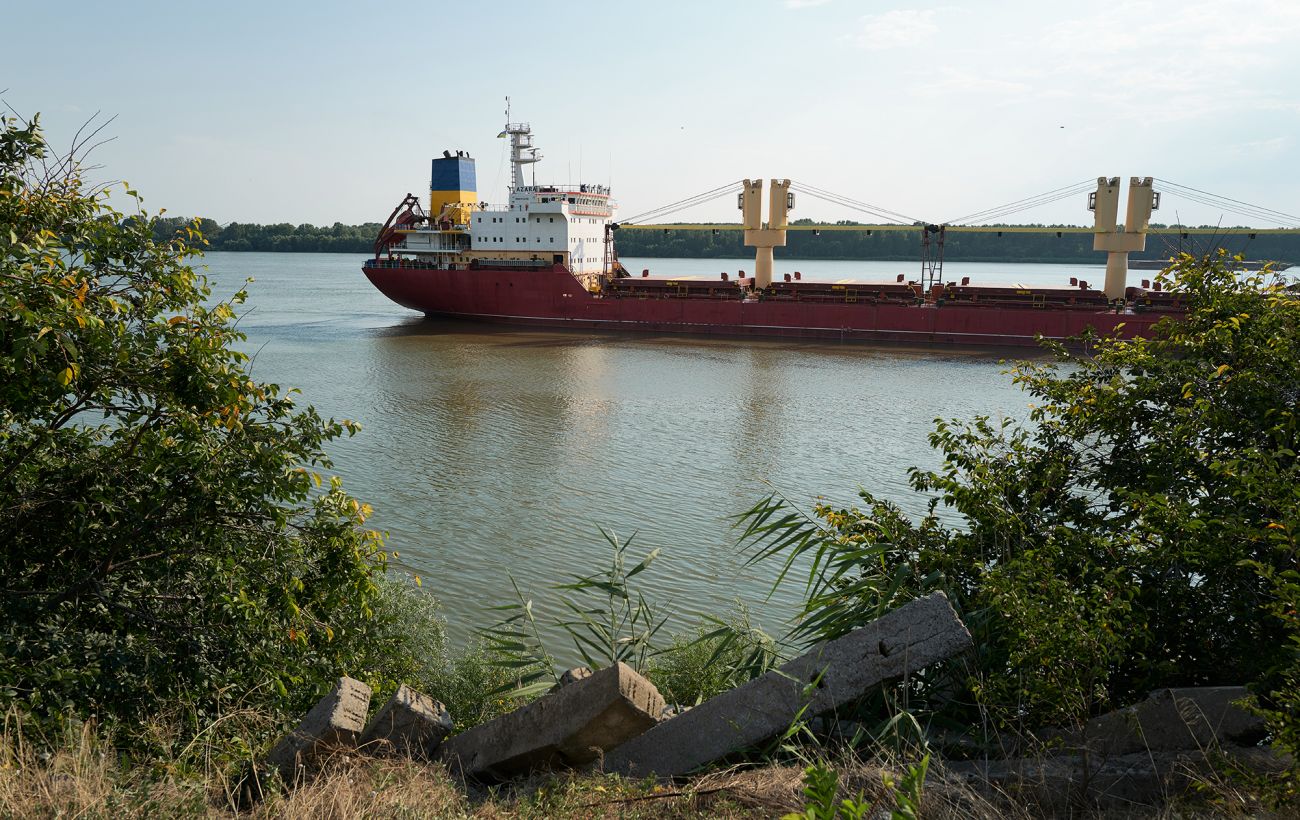
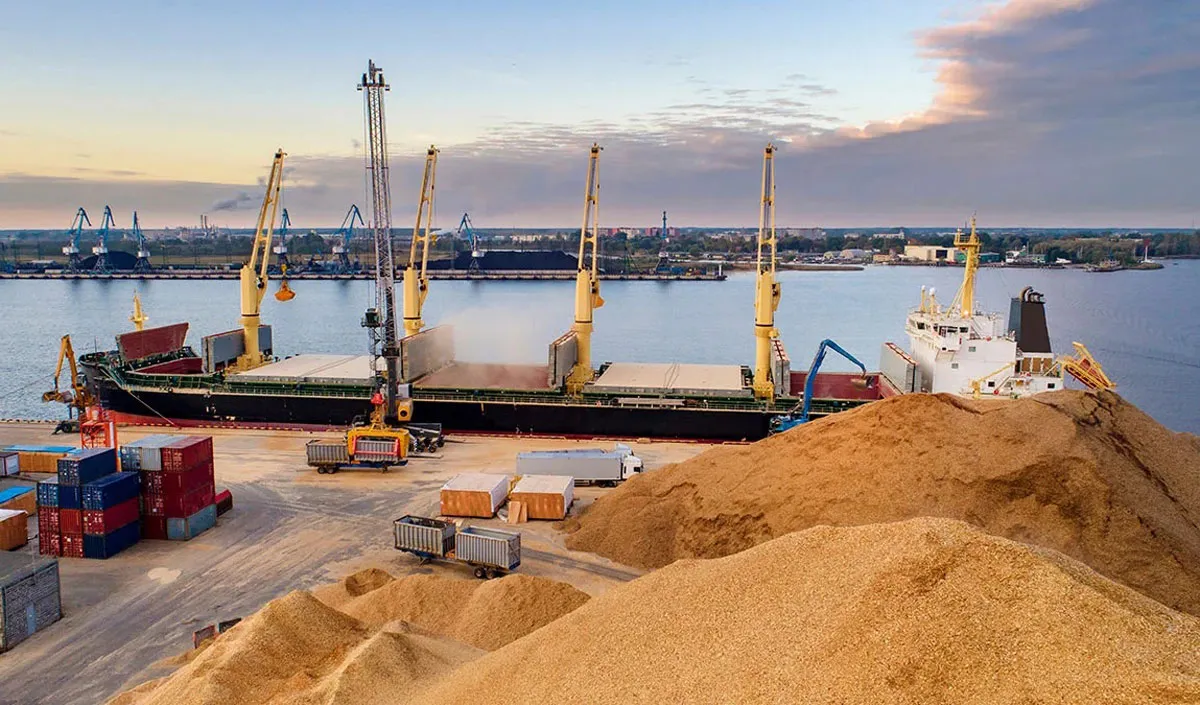
Exports and re-exports of gasoline and diesel fuel from the Port of Giurgiulesti may be temporarily restricted if reserves fall to critical levels. The thresholds in question are 8,000 tonnes of gasoline and 25,000 tonnes of diesel fuel. Under the same conditions, ship bunkering services may also be suspended. This was reported by the National Crisis Management Center.
These steps are part of a broader package of measures aimed at preventing energy shortages and maintaining domestic market stability. In particular, customs authorities will ensure priority clearance of petroleum products at the border, including through dedicated lanes for authorized economic operators.
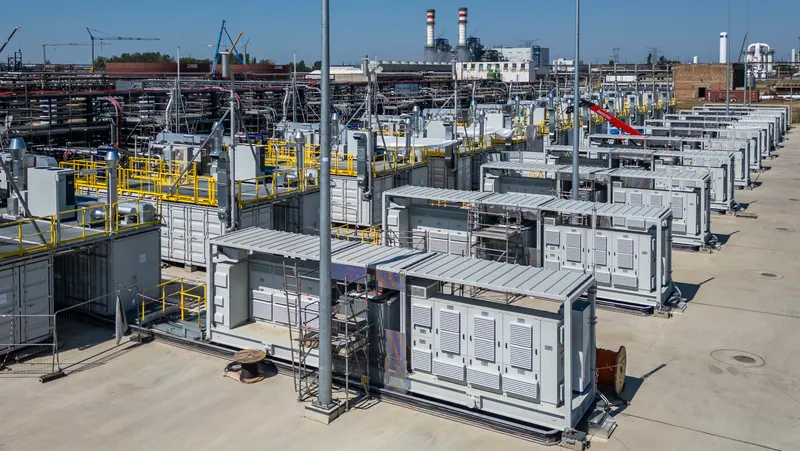
A separate set of measures concerns electricity security. If necessary, so-called “consumption islands” may be activated within the power system on 110 kV transmission lines connected to Romania. This would make it possible to attract an additional capacity of around 100 MW in order to maintain balance in the grid. In emergency situations, emergency electricity supply contracts may also be used.
To ensure prompt risk assessment, daily data exchange between government institutions is envisaged. At the same time, protection of strategic infrastructure, including energy facilities and fuel storage sites, is to be strengthened. The police, for their part, will increase patrols in areas without street lighting.
If disruptions in the regional market become prolonged, priority in access to energy resources will be given to agriculture, strategic transport and medical institutions. In the public sector, mandatory energy-saving programmes may be introduced, while decorative lighting during peak hours will be switched off.
In addition, if necessary, the government may resort to strategic state reserves — coal, fuel oil and petroleum products — in order to compensate for possible disruptions in commercial imports. In the longer term, the Moldovan authorities are considering the creation of a permanent energy security system, which would include the implementation of EU Directive 2009/119/EC on maintaining minimum stocks of crude oil and petroleum products.
IDR comment
The Institute of Danube Research notes that the possible restriction of fuel exports from Giurgiulesti indicates Moldova’s transition to a more proactive model of energy risk management. For the Lower Danube countries, such mechanisms are of particular importance, as the Port of Giurgiulesti is not only a key logistics hub for Moldova, but also part of the wider regional energy supply system.
According to IDR experts, the combination of short-term stabilization measures with the intention to align national policy with EU legislation is a positive signal for strengthening energy resilience. At the same time, these decisions demonstrate that the security of the fuel market in the Danube-Black Sea region increasingly depends on the quality of interagency coordination, the condition of border infrastructure, and the ability of states to respond rapidly to external shocks.

 Bulgaria
 Hungary
 Romania
 Ukraine
 Serbia

 Danube