

In Izmail District, officials discussed the launch of group water pipelines, road repairs, and the functioning of the Kyslytsia branch
 Ukraine
06.03.2026
Ukraine
06.03.2026
On March 5, a working meeting took place in Izmail between representatives of the Service for Restoration and Infrastructure Development in Odesa Oblast, headed by Director Andrii Donchenko, and the leadership of the Izmail and Bolhrad District State Administrations. The Izmail District Military Administration reported the results, as cited by the regional outlet Pivden Siohodni.
The main purpose of the visit was to “give the start” to the implementation of the project to build the Bolhrad and Suvorove group water pipelines, as well as to discuss the distribution of tasks among the involved institutions and the mechanisms for cooperation with territorial communities.
The officials also reviewed the work plan for the current year, focusing in particular on the restoration and maintenance of state-significance roads, the development of energy infrastructure, and the operation of water-management facilities, including hydraulic structures and locks.
“Special attention was paid to the condition and prospects of works on the region’s key transport arteries,” the district administration noted. This refers to the M-15 Odesa–Reni highway, the T-16-07 road, and the Izmail–Bolhrad corridor.
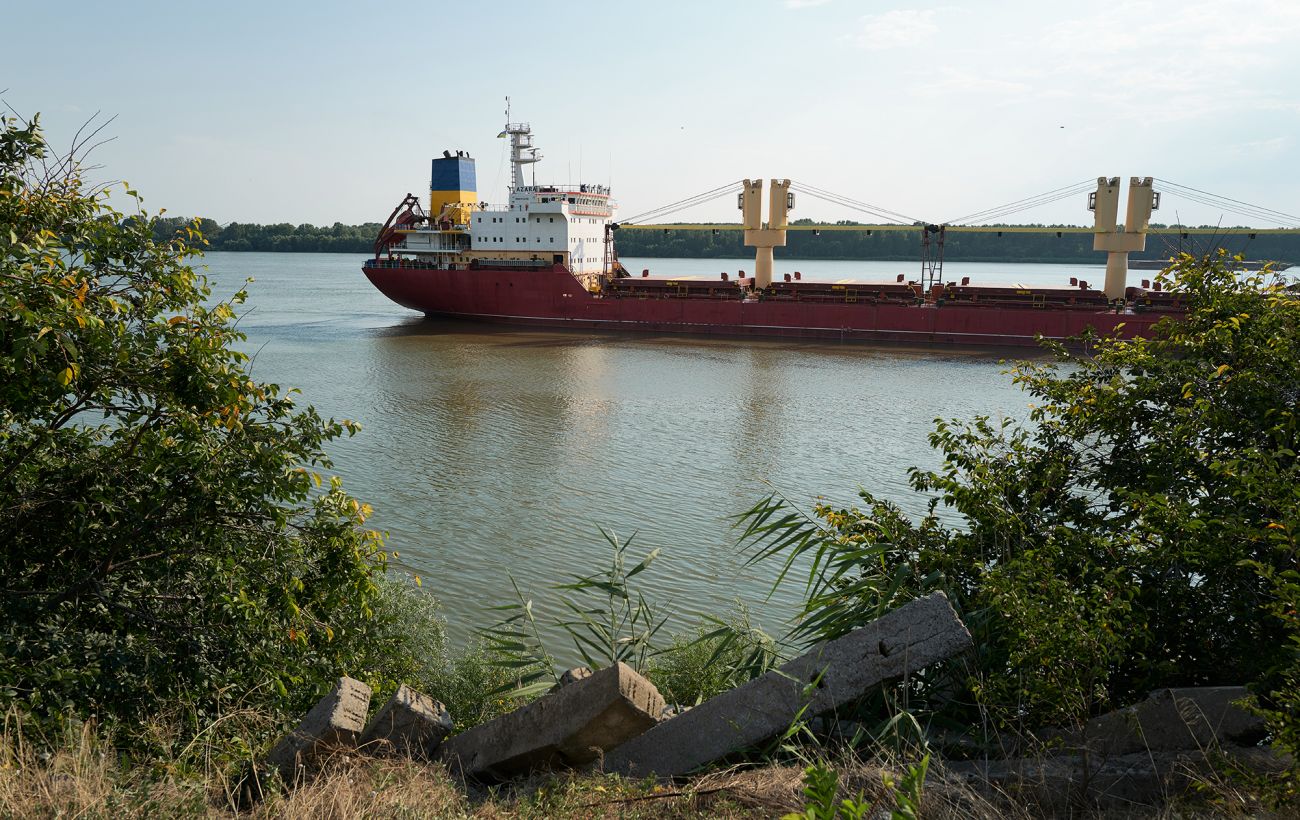
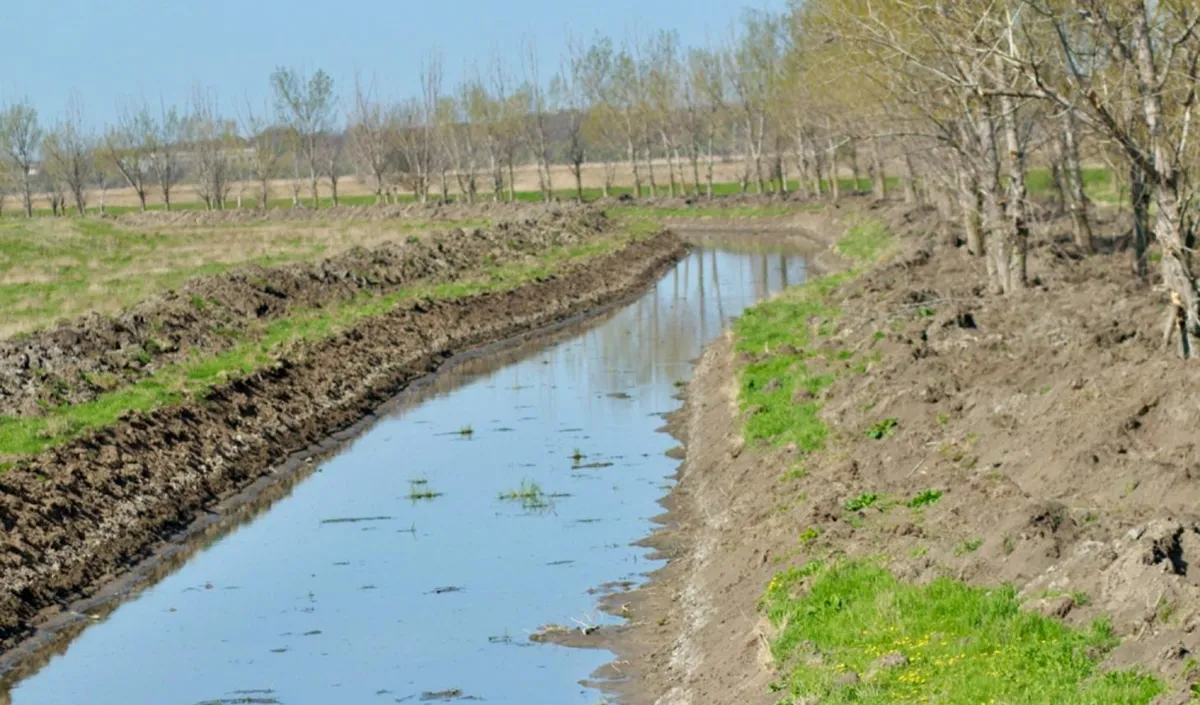
The meeting also raised the issue of the functioning of the Kyslytsia branch and the water bodies associated with it.
Comment by IDR experts.
The Institute of Danube Research notes that the agenda discussed in Izmail reflects a shift toward integrated management of critical infrastructure in the Danube subregion of Odesa Oblast. Group water pipelines, the rehabilitation of backbone roads, and the proper functioning of hydraulic and water-exchange systems should be treated as interdependent components of a single regional resilience framework. Coordinated implementation reduces systemic risks, strengthens water security for communities, supports mobility and logistics, and improves the capacity of local authorities to plan and deliver services under current constraints. For the southern Danube area, water availability and water-system functionality are increasingly strategic factors of stability and long-term development.

 Bulgaria
 Hungary
 Romania
 Moldova
 Serbia

 Danube