

Military actions in the Izmail district disrupt fishing activities in Romania’s Danube Delta
 Romania
09.02.2026
Romania
09.02.2026
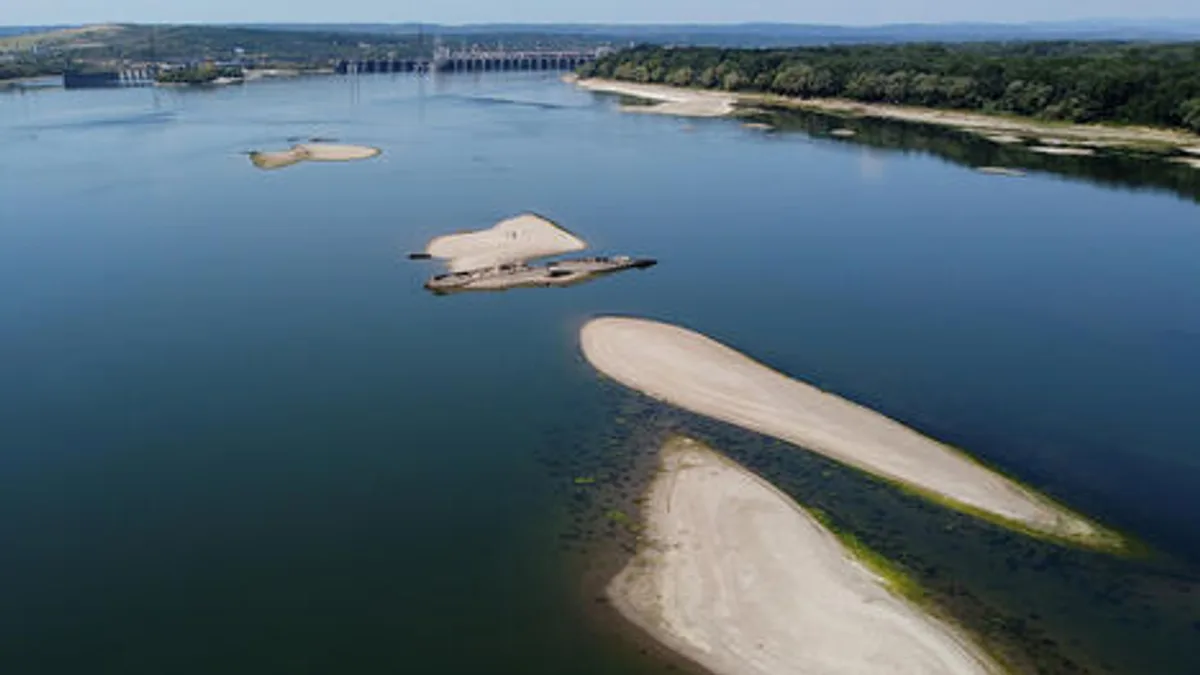
Military actions in the Ukrainian part of the Danube Delta are generating tangible cross-border impacts on fisheries in Romania, particularly in Tulcea County. For the first time since 2022, Romanian authorities are considering reducing commercial fishing quotas by up to 50% in the Chilia branch of the Danube — one of the most productive traditional fishing areas.
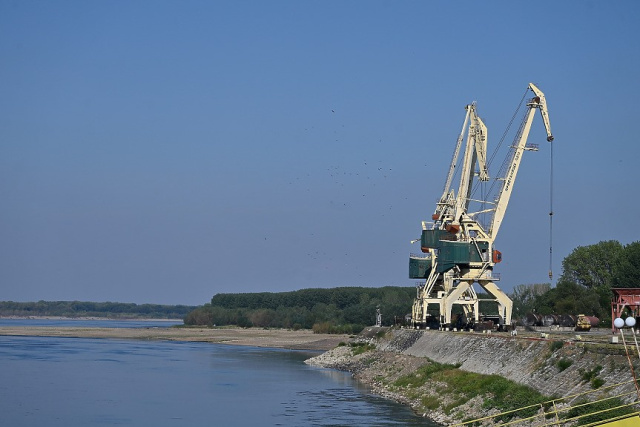
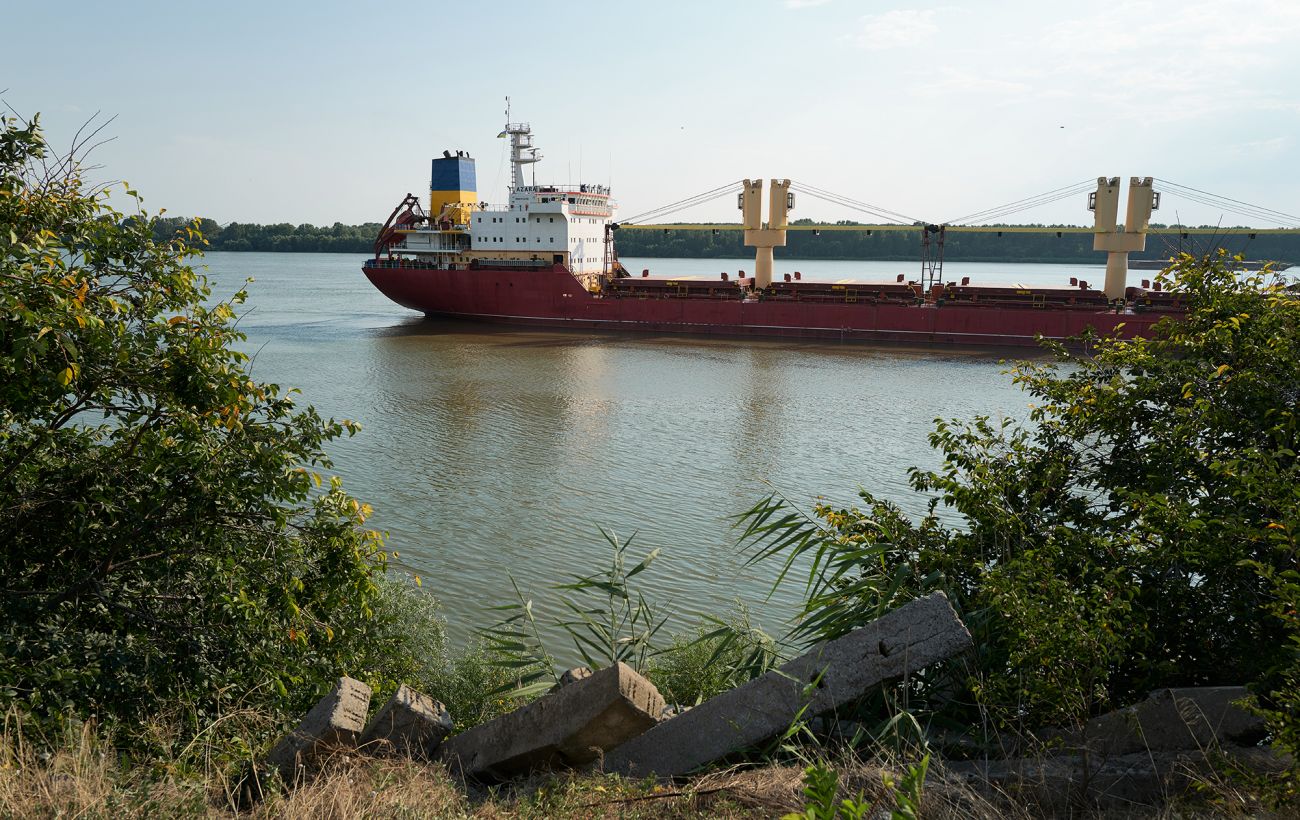
The announcement was made by Bogdan Bulte, head of the Danube Delta Biosphere Reserve Authority, during a meeting with fishermen from Tulcea County. According to him, the measure is driven by the sharp increase in navigation intensity on the Lower Danube following Russia’s full-scale invasion of Ukraine. A significant share of cargo vessels and barges, including those linked to Ukrainian trade, now transit or temporarily stop in the Romanian sector of the river, particularly in the Chilia branch.
Fishermen report a direct negative impact: declining fish stocks, destruction of fishing gear caused by waves and propellers, and limited or impossible access to traditional fishing grounds. Similar disruptions are observed in the Tulcea–Grindu sector. These pressures are compounded by strict regulatory rules, under which fishermen risk losing their licenses if they fail to reach annual catch quotas, even when shortfalls result from factors beyond their control.
A formal request to adjust quotas was submitted by the Federation of Fish Producers’ Organizations in the Danube Delta. At the same time, authorities encourage fishing communities to apply for EU funding under fisheries and aquaculture programmes to modernise equipment, diversify activities, or invest in aquaculture.
IDR comment.
The Institute of Danube Research notes that the situation in the Romanian Danube Delta clearly illustrates the indirect yet systemic cross-border consequences of the war for traditional local economies. The Chilia branch is increasingly becoming a zone of overlapping functions, where transport, environmental protection and community livelihoods collide. IDR considers enhanced Ukrainian-Romanian coordination in the management of the Lower Danube essential and stresses that quota adjustments should be embedded in a broader adaptive policy framework aimed at long-term resilience of the Danube Delta.

 Bulgaria
 Hungary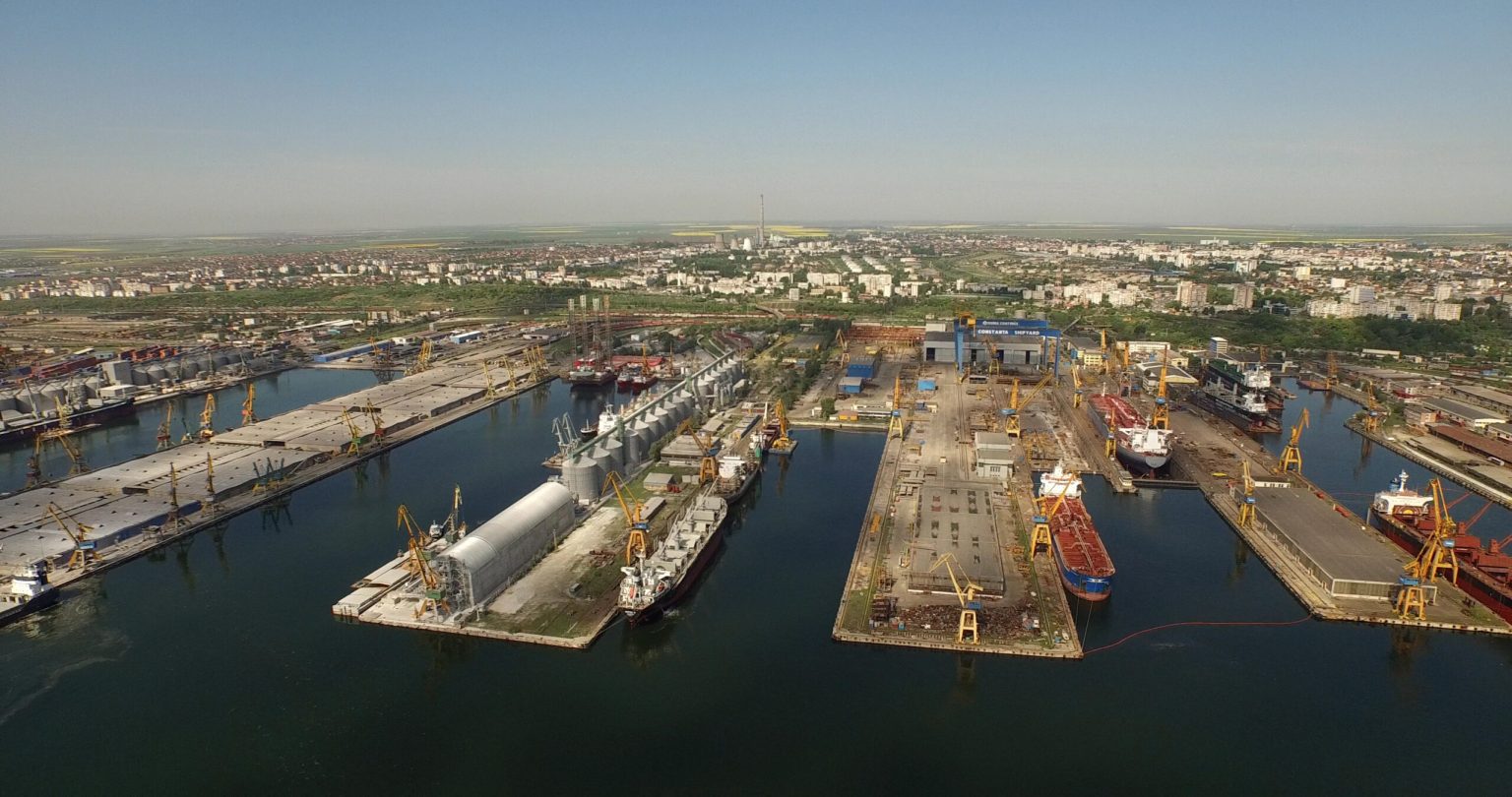

 Ukraine
 Moldova
 Serbia

 Danube