

Moldova and Azerbaijan agree on a 2026–2027 consultation plan: focus on energy, investment and regional security
 Moldova
09.03.2026
Moldova
09.03.2026
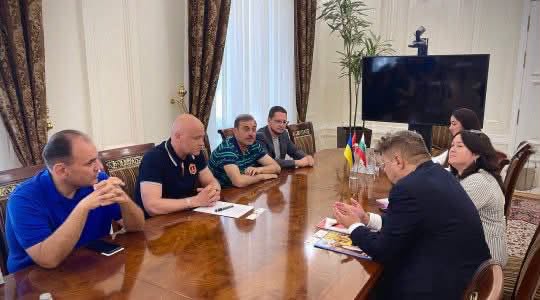
During his first official visit to Azerbaijan, Deputy Prime Minister and Minister of Foreign Affairs of the Republic of Moldova Mihai Popșoi signed with Azerbaijan’s Minister of Foreign Affairs Jeyhun Bayramov an Interagency Consultation Plan for 2026–2027. The document is aimed at intensifying bilateral diplomatic dialogue and giving new momentum to cooperation in the fields of economy, trade, investment and energy.
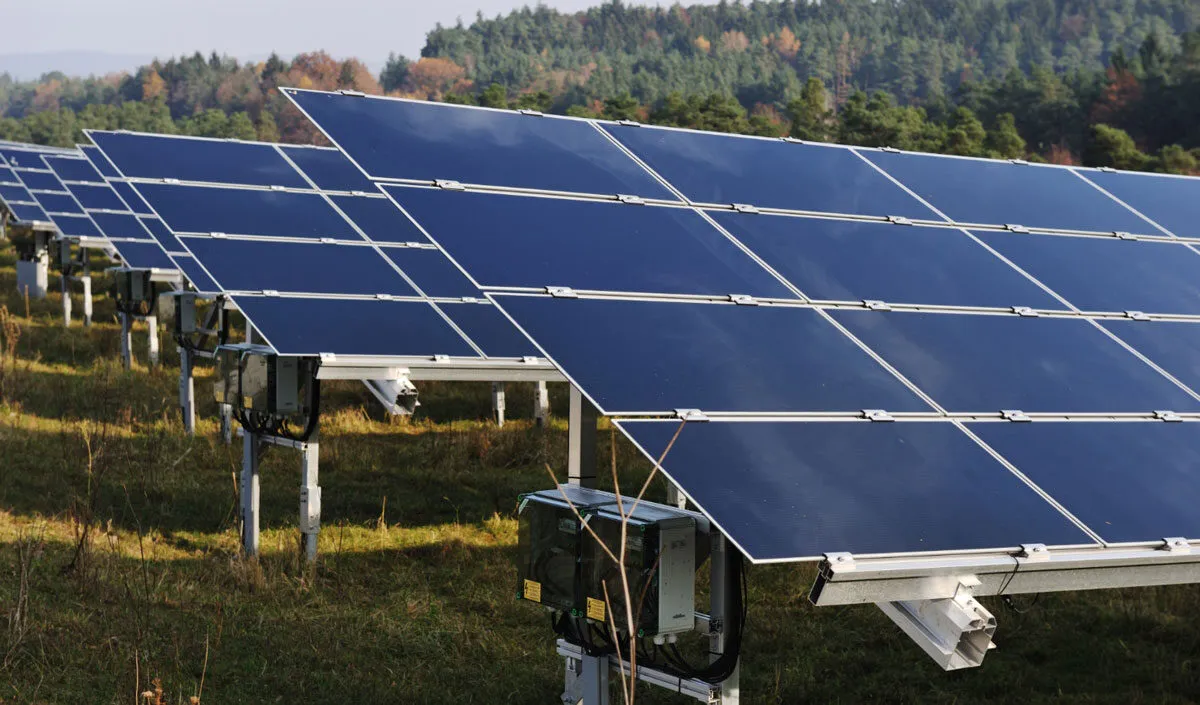
Particular attention was paid to energy security and the prospects for implementing joint renewable energy projects. Under current conditions, such coordination is becoming strategically important not only for bilateral relations, but also for the broader regional context, where energy diversification, the development of new logistics and energy routes, and the political resilience of states are increasingly interconnected.
The key event of the visit was Mihai Popșoi’s meeting with President of Azerbaijan Ilham Aliyev. During the talks, the Moldovan minister emphasized the friendly nature of relations between the peoples of Moldova and Azerbaijan, noting that Chișinău remembers and highly values Baku’s support during difficult periods. In response, the Azerbaijani leader thanked the Moldovan side for its position and reaffirmed interest in further deepening political, economic, trade and energy ties.
The parties also stressed the importance of regular mutual visits at different levels as an instrument for strengthening interstate relations and shaping a long-term cooperation agenda. Regional security issues were also addressed during the meeting. According to the Azerbaijani side, Mihai Popșoi strongly condemned Iran’s attack on Azerbaijan, expressed solidarity with Baku, and wished a speedy recovery to those injured.
As part of the visit, the head of Moldovan diplomacy also held talks with Speaker of the Azerbaijani Parliament Sahiba Gafarova. The interlocutors discussed the work of parliamentary friendship groups, the development of economic cooperation, and joint initiatives in the field of regional security. Popșoi conveyed greetings from Moldovan Parliament Speaker Igor Grosu and invited Sahiba Gafarova to visit Chișinău.
According to experts, the signing of the 2026–2027 Interagency Consultation Plan indicates a transition in Moldovan-Azerbaijani relations toward a more structured model of cooperation, where priorities include not only political contacts but also practical areas of interaction. First and foremost, this concerns the energy sector, in which Azerbaijan remains one of the region’s key suppliers and partners, while Moldova is interested in strengthening its energy resilience and reducing external vulnerabilities.
IDR`s experts note that the current agenda between Chișinău and Baku is being shaped at the intersection of several important trends: the growing role of the South Caucasus in Europe’s energy architecture, the increasing interest of Eastern European countries in alternative energy sources, and the aspiration of small and medium-sized states for more flexible bilateral cooperation formats amid geopolitical instability.
Comment by Vitalii Barvinenko, Director of the Institute of Danube Research:
“The signing of the Interagency Consultation Plan between Moldova and Azerbaijan for 2026–2027 is an illustrative example of how bilateral diplomacy is increasingly acquiring a practical, functional dimension. This is not merely about political dialogue, but about building a sustainable platform for interaction in areas that directly affect economic stability, energy security and the international agency of states.
For Moldova, the development of cooperation with Azerbaijan is of particular importance in the context of seeking reliable external partnerships in the fields of energy and investment. For Azerbaijan, this is an opportunity to strengthen its presence in the broader Eastern European space and to reaffirm its role as an important regional actor capable of combining energy diplomacy, political dialogue and the security dimension.
From the perspective of regional analytics, such contacts are also significant for the wider Black Sea-Danube area. They demonstrate that the architecture of cooperation in our macro-region is increasingly being built on a network of practical partnerships, where states seek not only political support, but also concrete mechanisms for enhancing resilience in energy, logistics and security.”
According to IDR’s assessment, Mihai Popșoi’s visit to Baku and the signing of the new planning document confirm the intention of Moldova and Azerbaijan to institutionalize bilateral relations and deepen cooperation in strategically important sectors. In the future, this may create additional opportunities for strengthening regional stability, developing transport and energy links, and expanding interparliamentary and intergovernmental dialogue.

 Bulgaria
 Hungary
 Romania
 Ukraine
 Serbia

 Danube