

New Trilateral Actions on Ukraine’s Critical Freight Corridor
 Ukraine
12.03.2026
Ukraine
12.03.2026
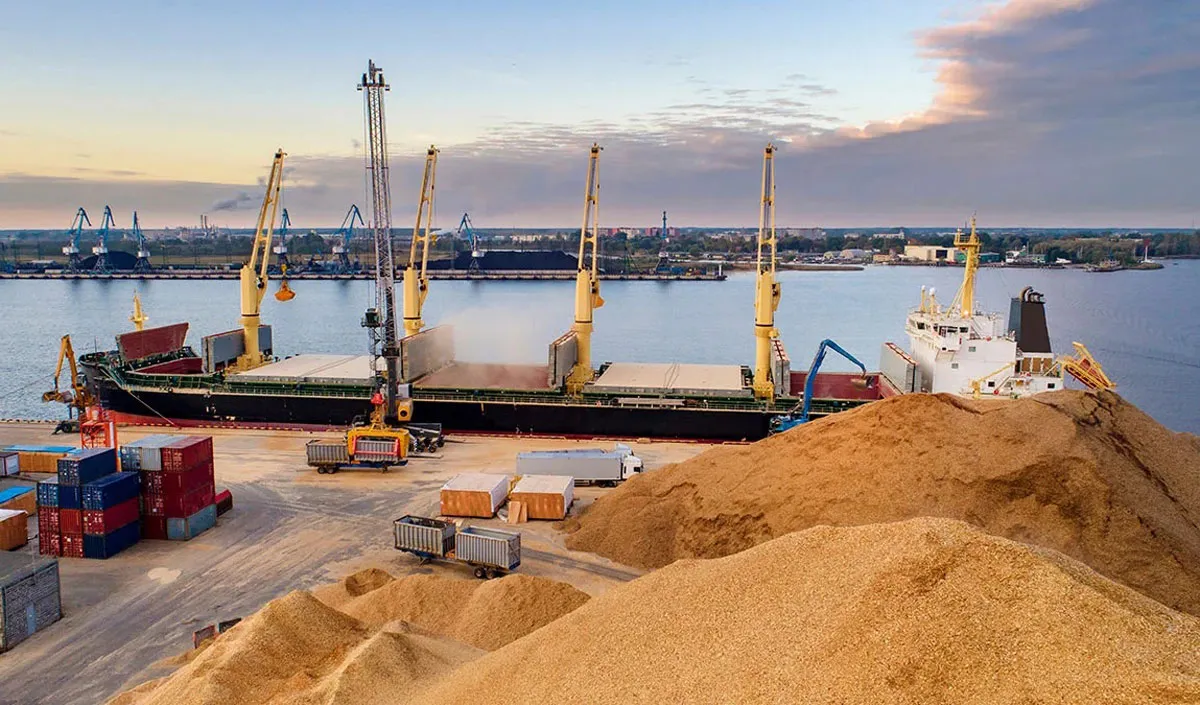
The European Commission has announced a major reinforcement of the EU–Ukraine Solidarity Lanes, as Romania, Moldova, and Ukraine enter a new phase of trilateral cooperation to strengthen the Danube corridor.
On 6 March 2026, during a high-level meeting, the parties reaffirmed their joint determination to continue ensuring Ukraine’s access to trade routes that are critical for both exports and imports. At the center of this new stage of cooperation is the further implementation of the Danube Action Plan 2.0, developed under the EU–Ukraine Solidarity Lanes initiative.
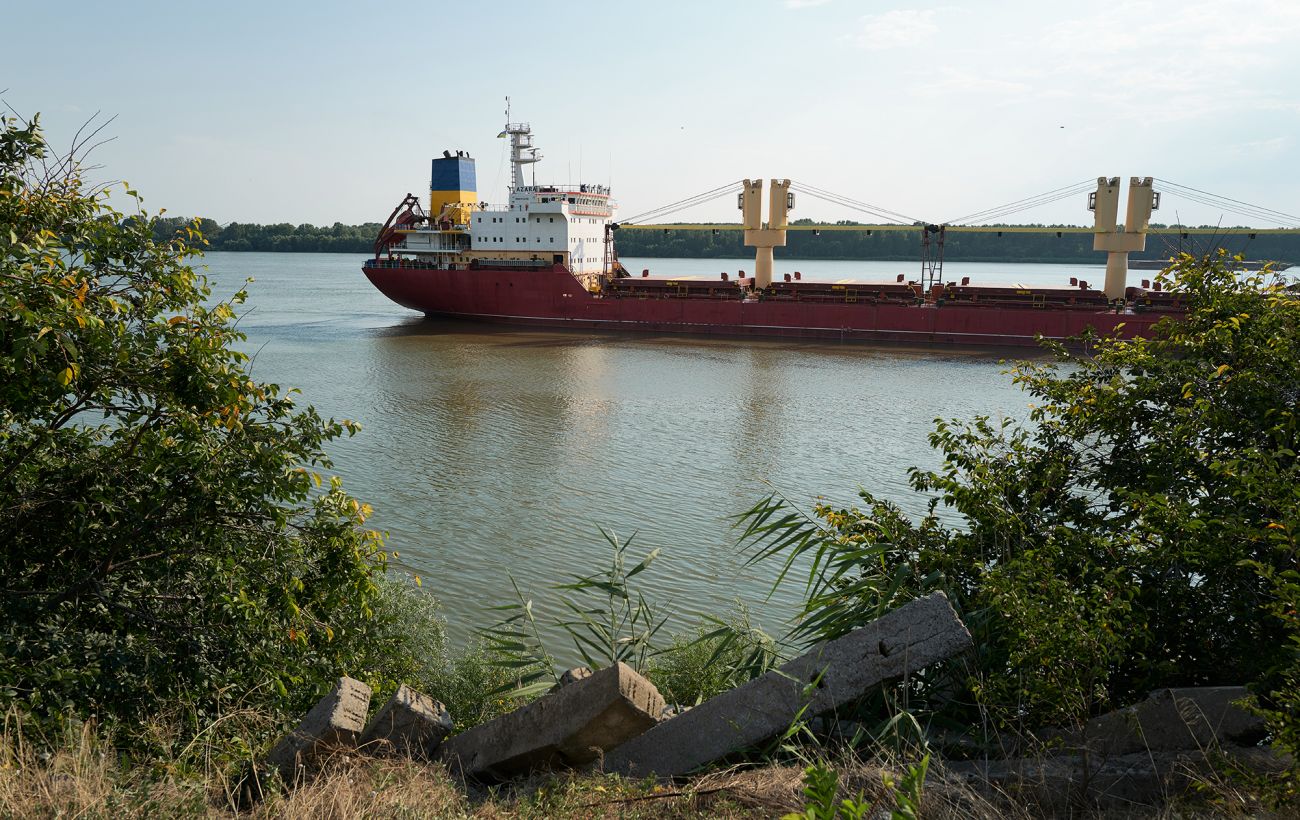
The plan provides for stronger coordination to ensure safe and efficient navigation on the Danube, improved communication among the ports of Ukraine, Romania, and Moldova, better information exchange for transport operations, and rapid response mechanisms in the event of disruptions in the Black Sea–Danube area.
The European Commission also stressed that this cooperation mechanism will now be extended beyond river transport to include the land segment of the corridor. This concerns rail and road connections, which are expected to serve as backup logistics solutions in crisis situations. Priority measures include increasing the capacity of road border crossing points through more efficient control procedures, upgrading access infrastructure and equipment, and developing cost-effective solutions to stimulate the use of alternative rail routes, particularly via Moldova.
Brussels emphasizes that these efforts are not limited to temporary emergency measures. The new framework is intended to lay the foundations for an integrated, secure, resilient, and mutually beneficial regional transport system. It includes coordinated project and investment planning, improved transport service quality, and the gradual integration of the transport systems of Ukraine and Moldova into the transport system of the European Union.
IDR Comment
The Institute for Danube Region Studies considers the transition to an expanded Romania–Moldova–Ukraine trilateral mechanism an important institutional step toward stabilizing Danube–Black Sea logistics. This is no longer only about supporting exports under wartime conditions, but about shaping a new model of regional transport interdependence in which the Ukrainian Danube area is not a periphery, but one of the central nodes of European resilience.
In practical terms, this creates a foundation for the modernization of port infrastructure, improvement of border procedures, development of multimodal solutions, and strengthening of the role of Danube routes in Ukraine’s post-war recovery.
For Ukraine, this decision is of particular importance given wartime risks and the vulnerability of both land and maritime routes. Strengthening the Danube direction means not only additional guarantees for the continuity of exports of agricultural, metallurgical, and other products, but also a stronger strategic role for the ports of the Ukrainian Danube region within the broader European system of logistics resilience.
At the same time, for Romania and Moldova, this opens new opportunities for deeper infrastructure synchronization, enhanced border crossing capacity, and increased investment in Danube transport hubs. In practical terms, this trilateral format is turning the Lower Danube into one of the key spaces of Ukraine’s integration into the European transport market and the future architecture of recovery.

 Bulgaria
 Hungary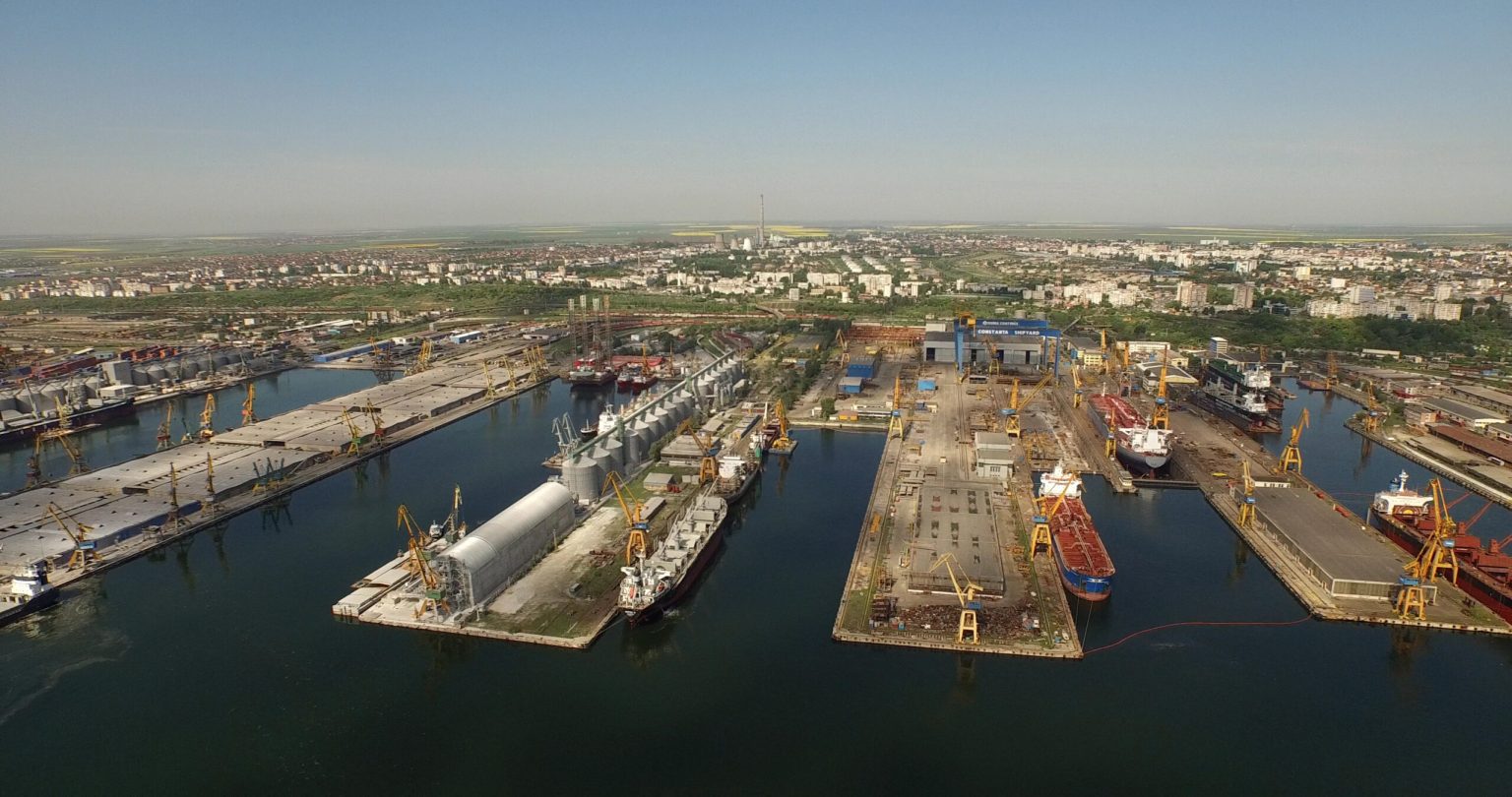
 Romania

 Moldova
 Serbia


 Danube