

Nibulon Reduced Danube Transshipment Tenfold: Structural Adaptation of Logistics Under Wartime Conditions
 Ukraine
02.03.2026
Ukraine
02.03.2026
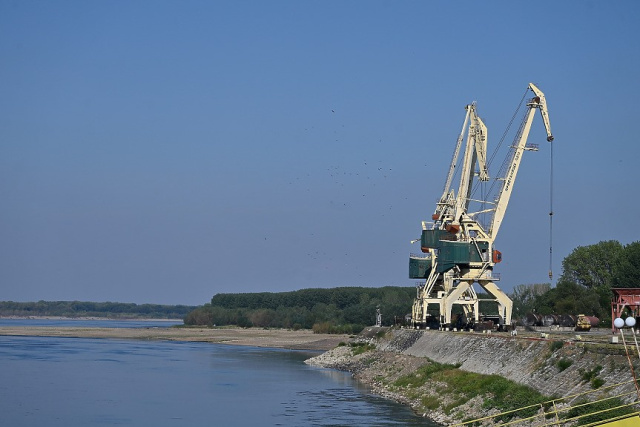
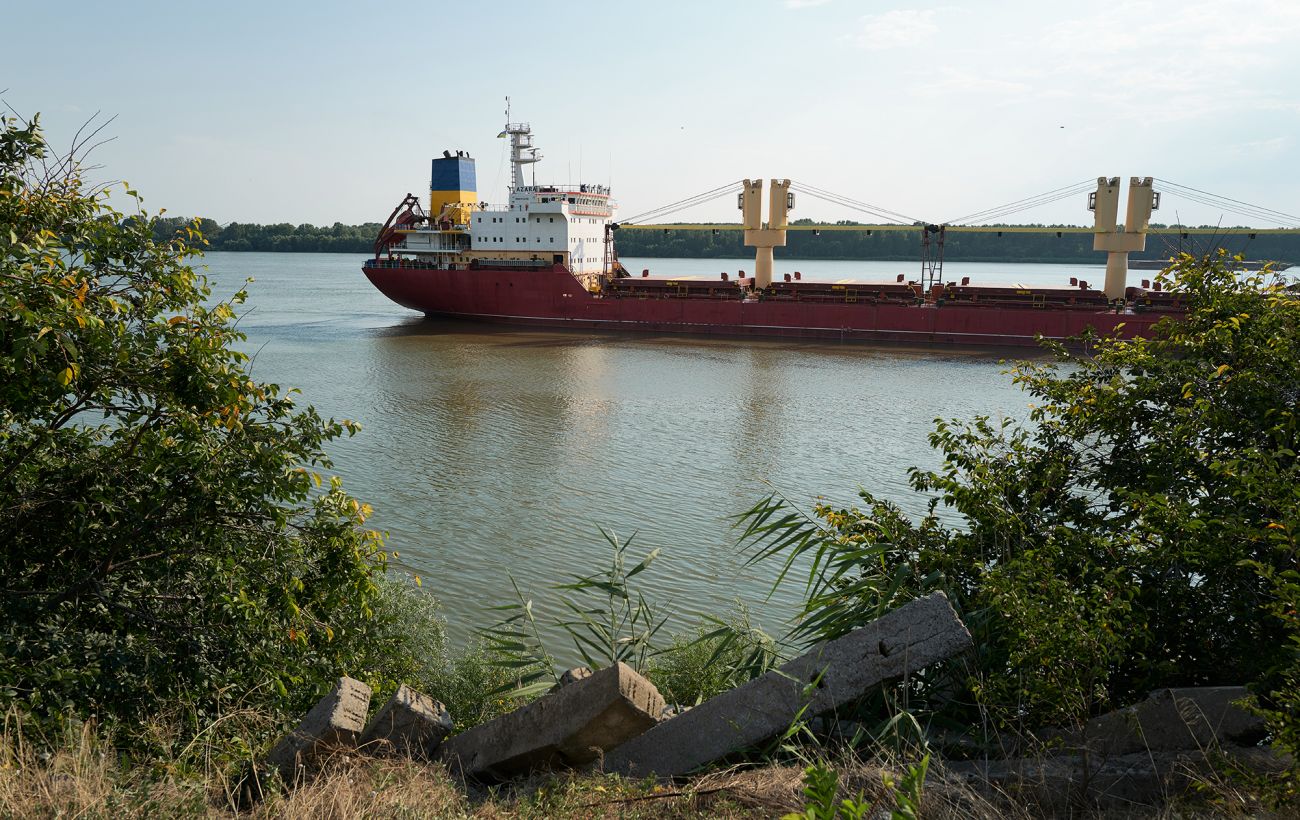
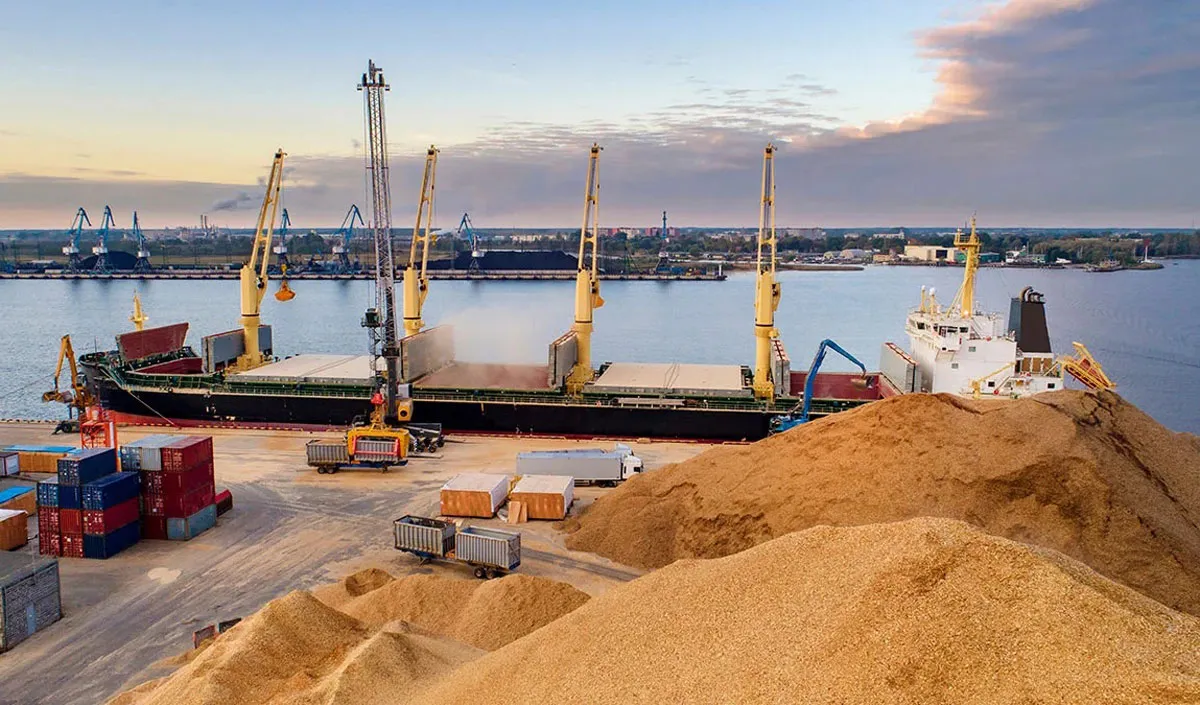
One of Ukraine’s leading grain market operators, Nibulon, has reduced its transshipment volumes on the Danube by ten times compared to the peak levels of 2022–2023. At the same time, the company has transformed its terminal in Izmail into a flexible regional river hub focused on niche crops and supplies to the EU internal market.
According to Volodymyr Slavinskyi, Director of Trade and Logistics, the terminal was originally designed as an adaptable facility capable of adjusting to changes in transport configurations. During the blockade of deep-water ports, the Izmail facility operated at maximum capacity, ensuring record export volumes. With the partial restoration of maritime logistics, current volumes correspond to the format of a regional river terminal rather than an emergency export gateway.
At present, the company actively uses the ports of Greater Odesa, including the Odesa Sea Port, the Port of Pivdennyi, and the Port of Chornomorsk. However, it has no plans to build its own deep-water terminals. This strategy provides operational flexibility, allowing the company to swiftly reallocate export volumes without being tied to a single port facility. In wartime conditions, such maneuverability becomes a key competitive advantage.
Experts IDR emphasize that the decline in Danube transshipment volumes should not be interpreted as a weakening of the region’s role. Rather, it reflects a structural transition from an emergency logistics model to a balanced multimodal export system. During 2022–2023, Danube ports functioned as resilience gateways for Ukrainian agricultural exports. In the current phase, they are repositioned as specialized river logistics nodes integrated into the EU market and capable of scaling up again if security risks in the Black Sea intensify.

 Bulgaria
 Hungary
 Romania

 Moldova
 Serbia

 Danube