

Revival of Lake Kartal Ecosystem in the Danube Delta: Rewilding as a Driver of Ecological and Socio-Economic Resilience
 Ukraine
18.02.2026
Ukraine
18.02.2026
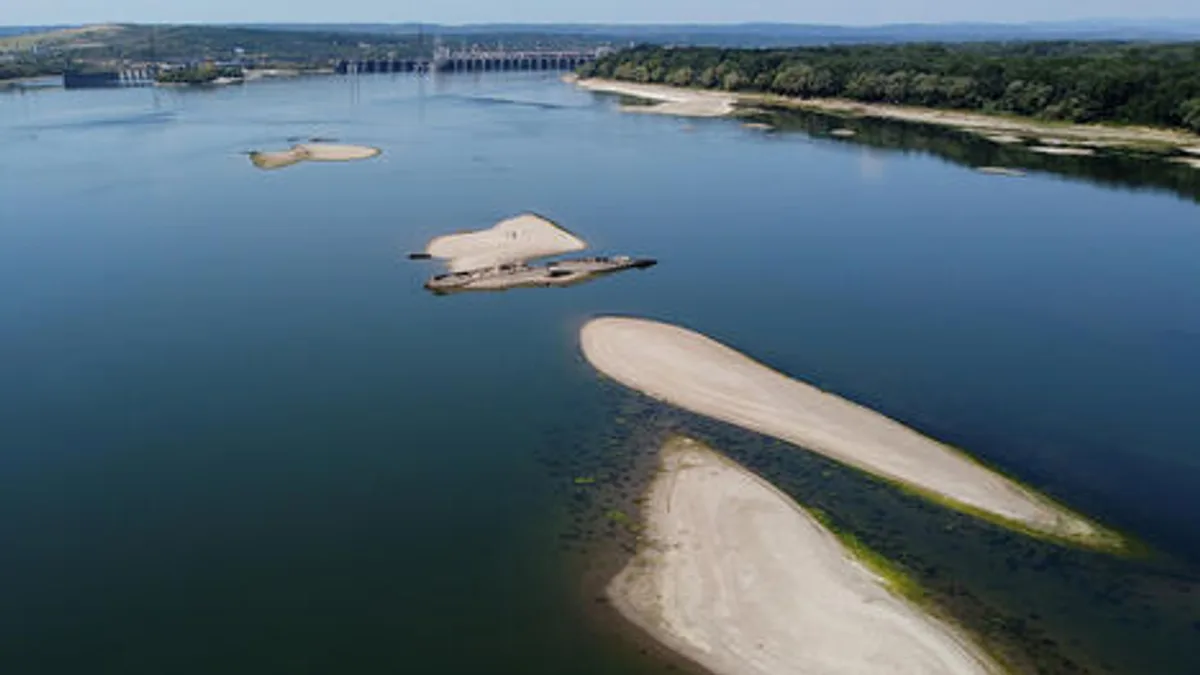
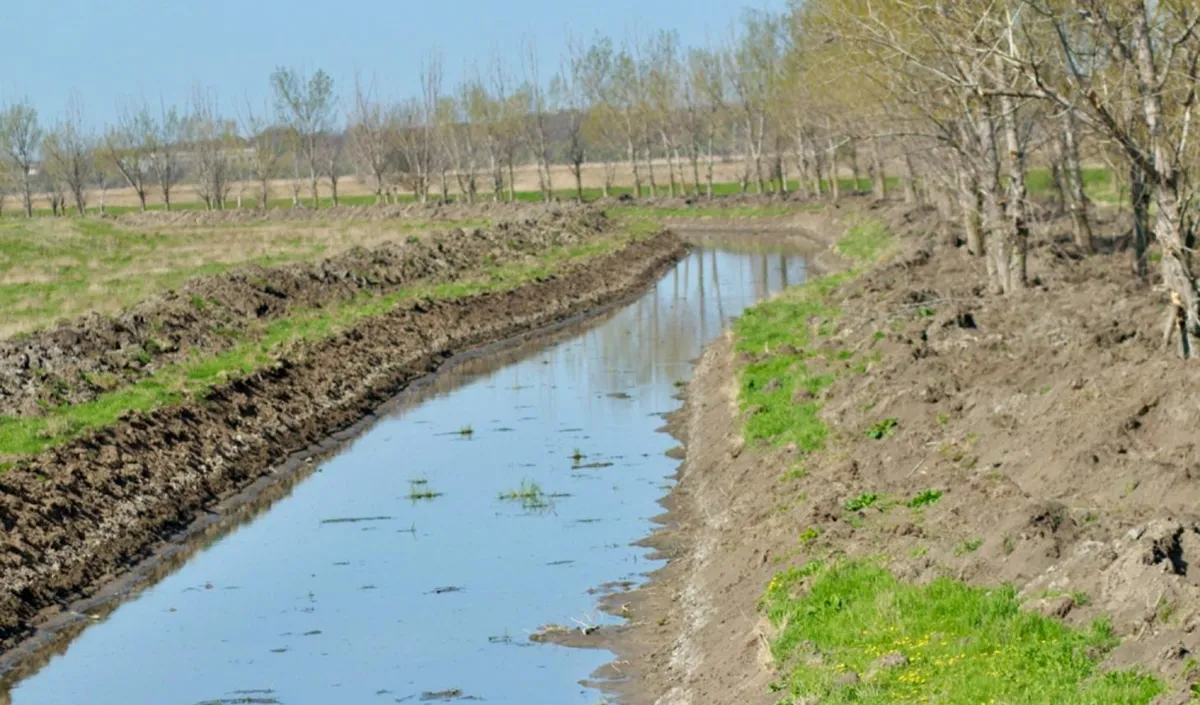
In the Ukrainian part of the Danube Delta, the team of Rewilding Ukraine, in partnership with the Izmail Water Management Authority, has implemented a comprehensive initiative to restore the natural hydrological connection between the Danube River and Lake Kartal. The project is supported by the Endangered Landscapes & Seascapes Programme and forms part of broader wetland restoration efforts within the delta.
Over six years, the ecological condition of more than 18,000 hectares of floodplain wetlands has been improved. Engineering measures — including the removal of dams, clearance of silted channels, and installation of additional water-control structures — have restored a more natural water exchange regime. Notably, the rehabilitation of over five kilometers of the Luzarsa channel increased water inflow from the Danube to Lake Kartal by approximately 40%, positively affecting more than 450 hectares of adjacent floodplains.
The restored hydrological dynamics have already resulted in improved water quality, reduced eutrophication, recovery of fish populations, and an increase in waterbird nesting and feeding activity. The strengthened natural connection between Lakes Kartal and Kagul enhances the ecological integrity of the entire wetland system.
According to the Institute of Danube Research,
“The Lake Kartal case demonstrates that rewilding in the Danube Delta is not only an environmental intervention but also a strategic investment in regional resilience. Restoring hydrological connectivity strengthens climate adaptation capacity, supports food security, and creates preconditions for post-war economic recovery in Danube communities. Ecological restoration here generates tangible socio-economic benefits.”
Amid ongoing wartime challenges, the project illustrates how environmental restoration can simultaneously reinforce ecosystem stability and long-term regional development prospects within the Danube macro-region.

 Bulgaria
 Hungary
 Romania
 Moldova
 Serbia

 Danube