

Romania Becomes a Strategic Hub on the Rhine–Danube Axis
 Romania
12.02.2026
Romania
12.02.2026
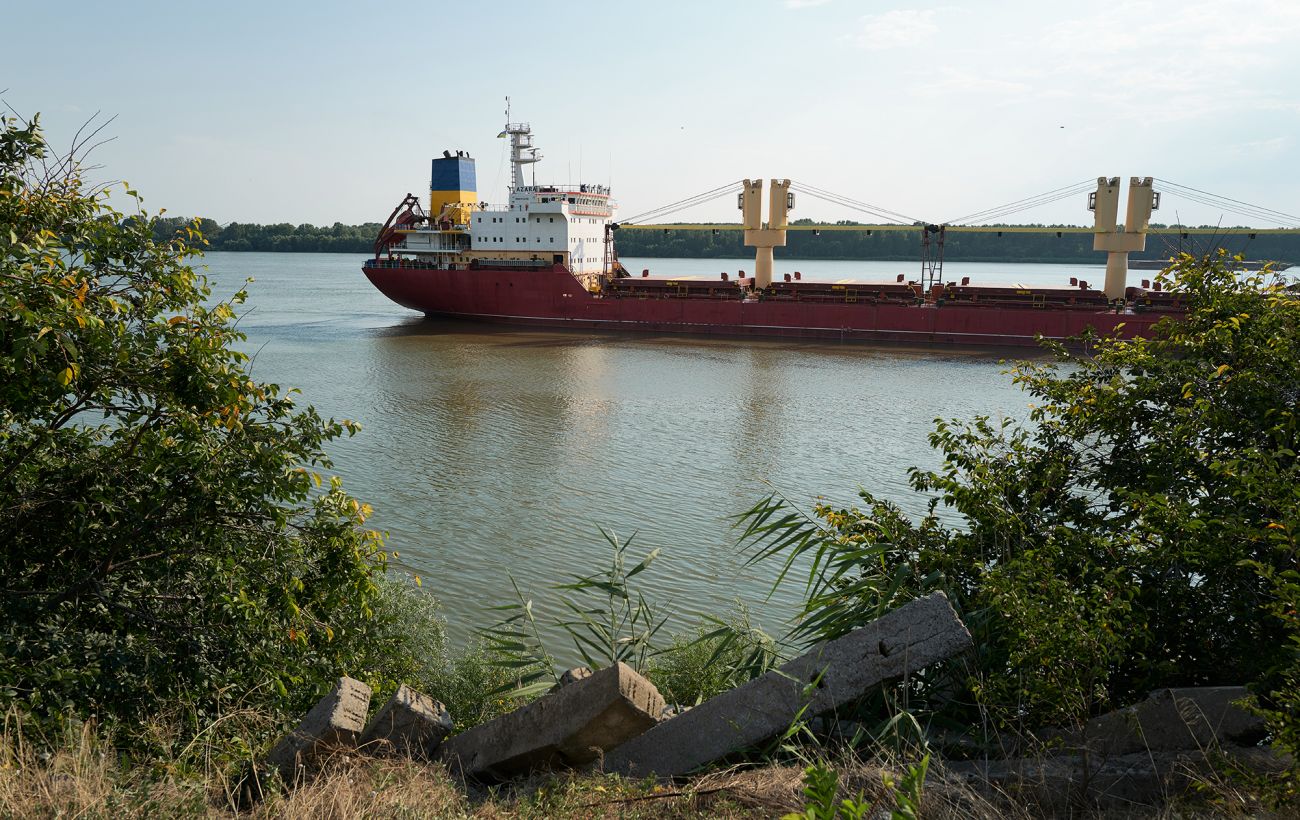
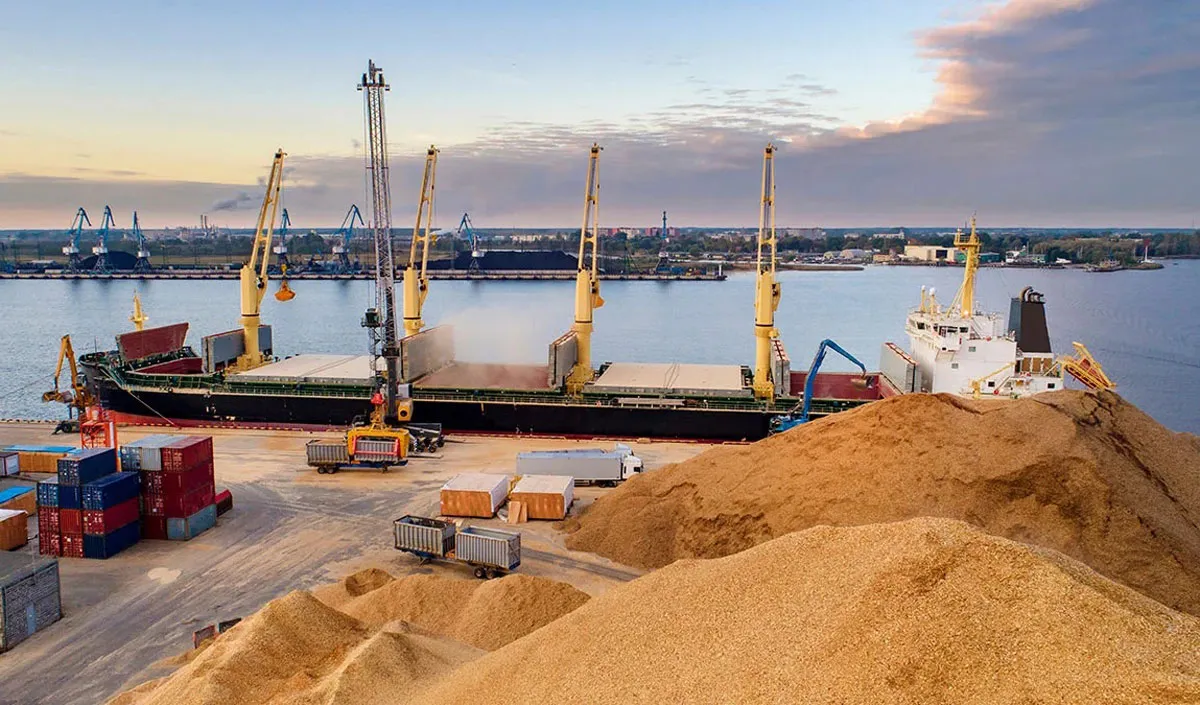
Romania is increasingly transforming from an infrastructural periphery of the European Union into a key strategic hub along the Rhine–Danube axis, one of the most important corridors of the TEN-T network. This shift reflects not only economic momentum but also a broader geopolitical reconfiguration of Central and Eastern Europe.
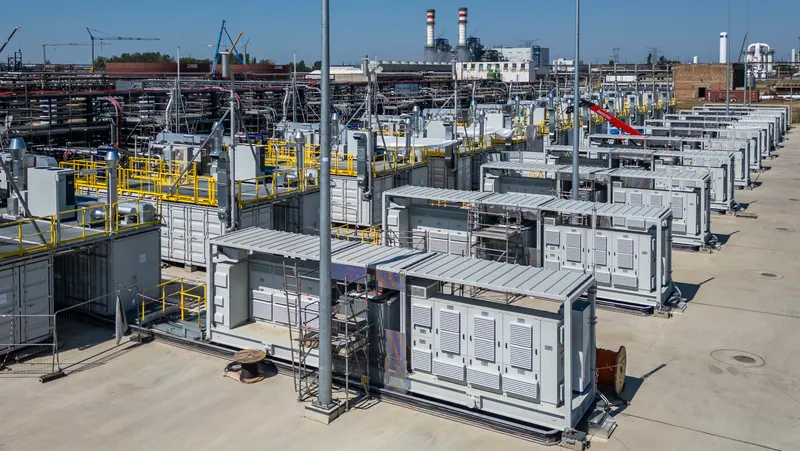
Major Greek infrastructure groups, including Aktor Group and GEK TERNA, estimate that by 2030 Romania will launch tenders for projects worth approximately €44 billion. Of this amount, around €18 billion is expected in transport infrastructure, €11 billion in energy infrastructure, and an additional €16 billion in the wider energy sector.
For Greek companies, Romania has already become the second most important market after Greece. Despite a strong domestic construction boom, Greek groups are pursuing long-term diversification strategies, recognizing the cyclical nature of the construction sector. Romania’s geographic position on the Rhine–Danube axis and its growing integration into European transport and energy flows make it a strategic anchor for future stability and returns.
Through its subsidiary TERNA, GEK TERNA has been selected as the final contractor—together with Alstom Romania—for two major railway projects on the Craiova–Drobeta Turnu Severin–Caransebeș line, with a total budget exceeding €1 billion. At the same time, the Apața–Cața section of the Brașov–Sighișoara railway, part of the Rhine–Danube core corridor, is advancing rapidly, with a €507 million investment including two double-track tunnels designed for speeds of up to 160 km/h.
Aktor Romania, with more than 20 years of presence in the market, currently holds an order backlog of nearly €900 million and employs over 700 staff. The company has delivered five major road projects worth around €1 billion, consolidating its position in Romania’s infrastructure sector.
Comment from the Institute of Danube Research
According to the Institute of Danube Research, Romania’s rise on the Rhine–Danube axis represents a structural transformation of the regional infrastructure map.
“We are witnessing a strategic repositioning of Central and Eastern Europe. Romania, due to its location on the Rhine–Danube corridor and its access to the Black Sea, is becoming a cornerstone of the EU’s emerging infrastructure architecture,” stated Vitaliy Barvynenko, Director of the Institute of Danube Research.
He emphasized that the growing presence of Greek capital reflects a shift toward long-term strategic positioning, including the use of concession mechanisms and hybrid financing models that may redefine infrastructure development in the region.

 Bulgaria
 Hungary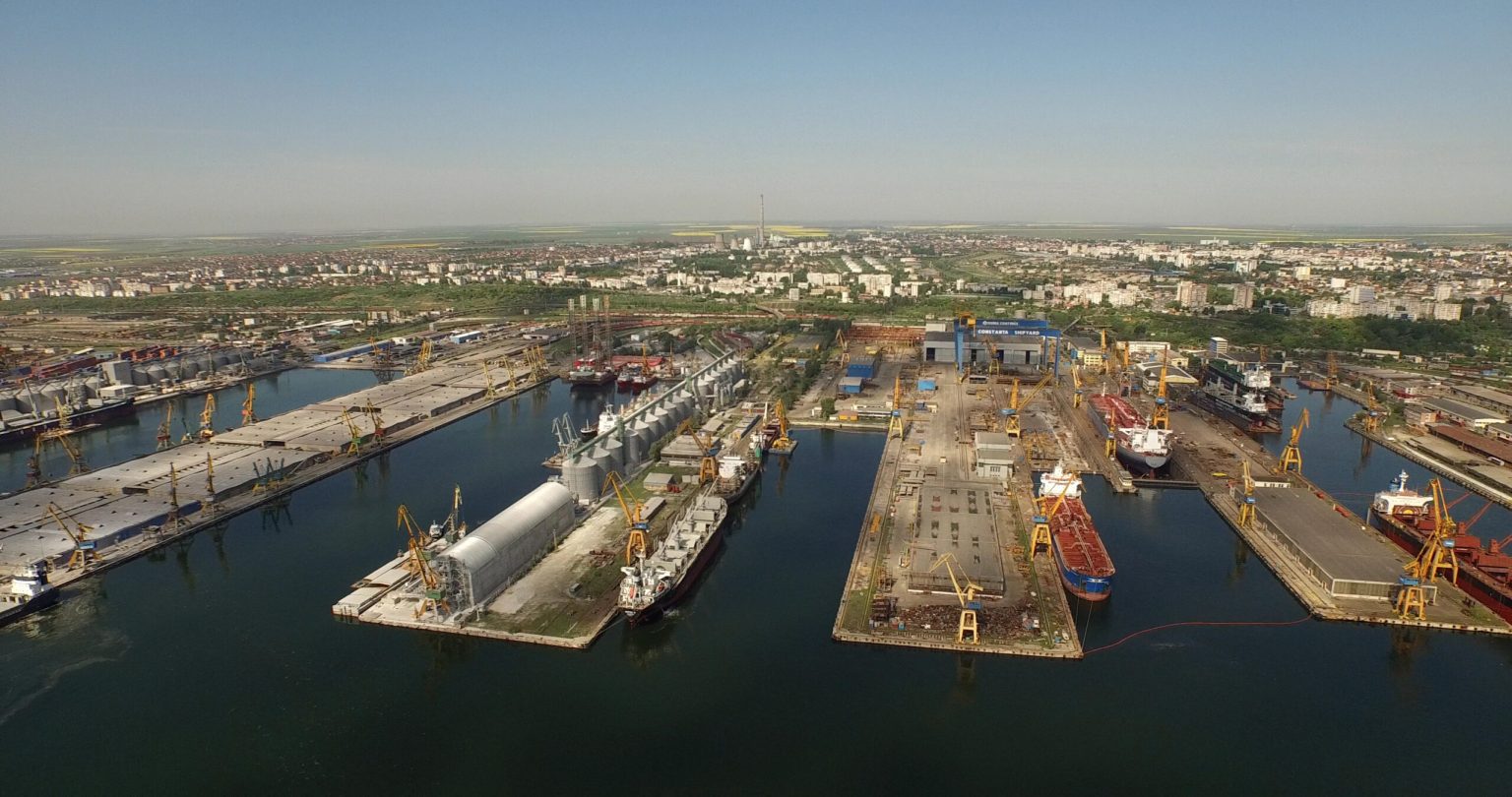

 Ukraine
 Moldova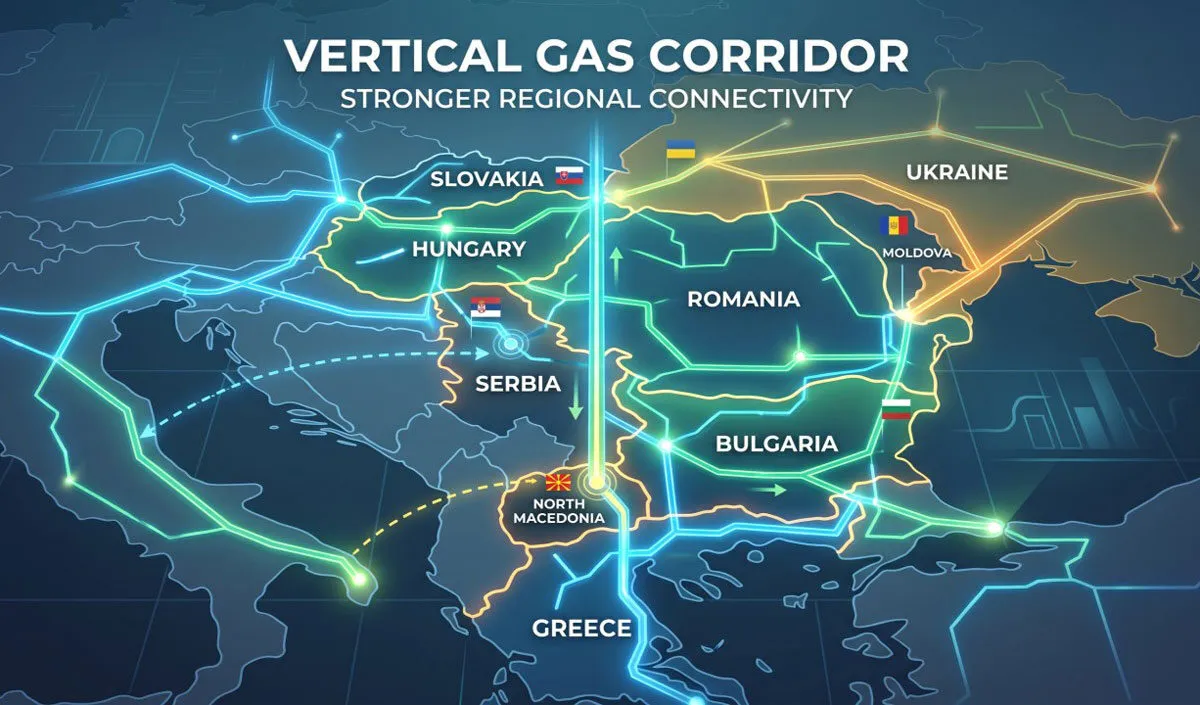
 Serbia

 Danube