

Romania plans Black Sea threat-monitoring system by 2027 to protect Neptun Deep and critical infrastructure
 Romania
04.02.2026
Romania
04.02.2026
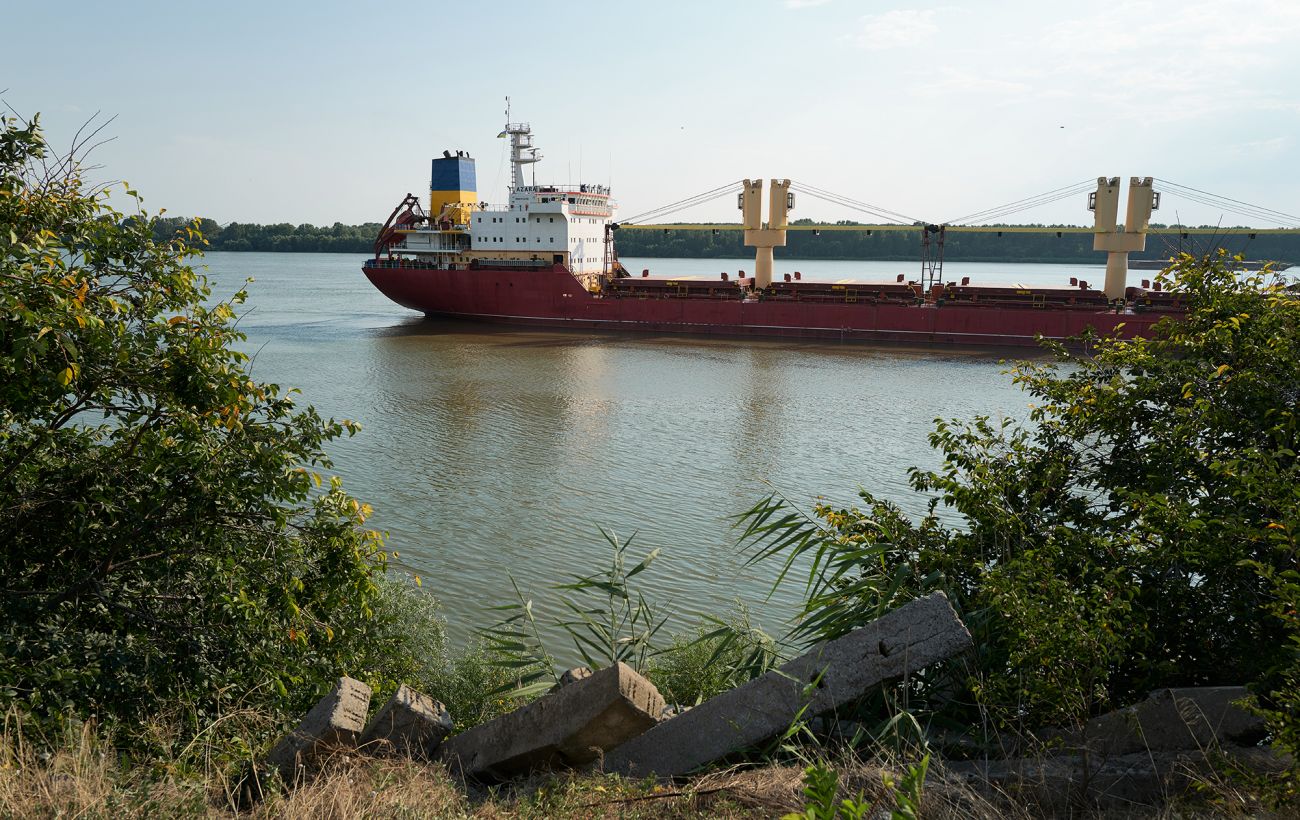
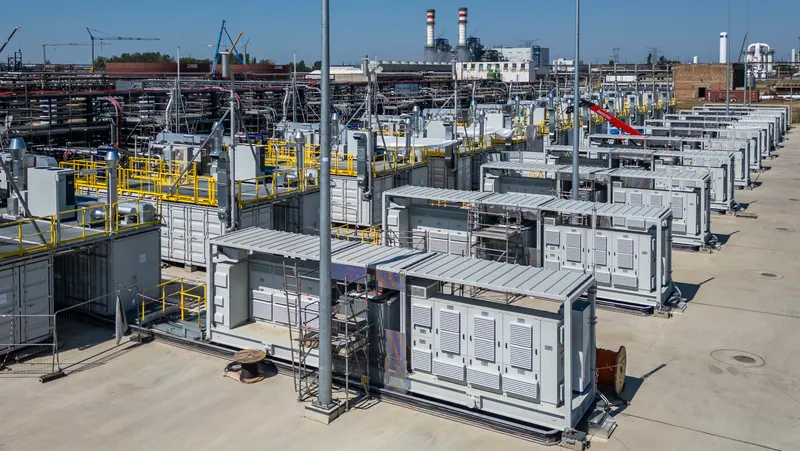
Romania intends to deploy by 2027 an advanced threat-detection and monitoring system in the Black Sea—combining radars, unmanned platforms (drones), and sensor solutions—to strengthen maritime domain awareness and protect critical infrastructure, including the offshore gas project Neptun Deep. The plan was outlined by Radu Burnete, the economic adviser to the President of Romania, in comments reported by the media.
The initiative is framed against a heightened security environment in the wider Black Sea region, where risks to navigation and energy routes have increased, including incidents involving unmanned aerial vehicles and the drift of sea mines along key commercial and energy corridors.
Neptun Deep is expected to reach the “first gas” milestone in 2027, which aligns with the announced deadline for the monitoring capability. In this configuration, the security and surveillance layer is treated not as an auxiliary measure, but as an operational prerequisite for the safe and resilient exploitation of offshore resources.
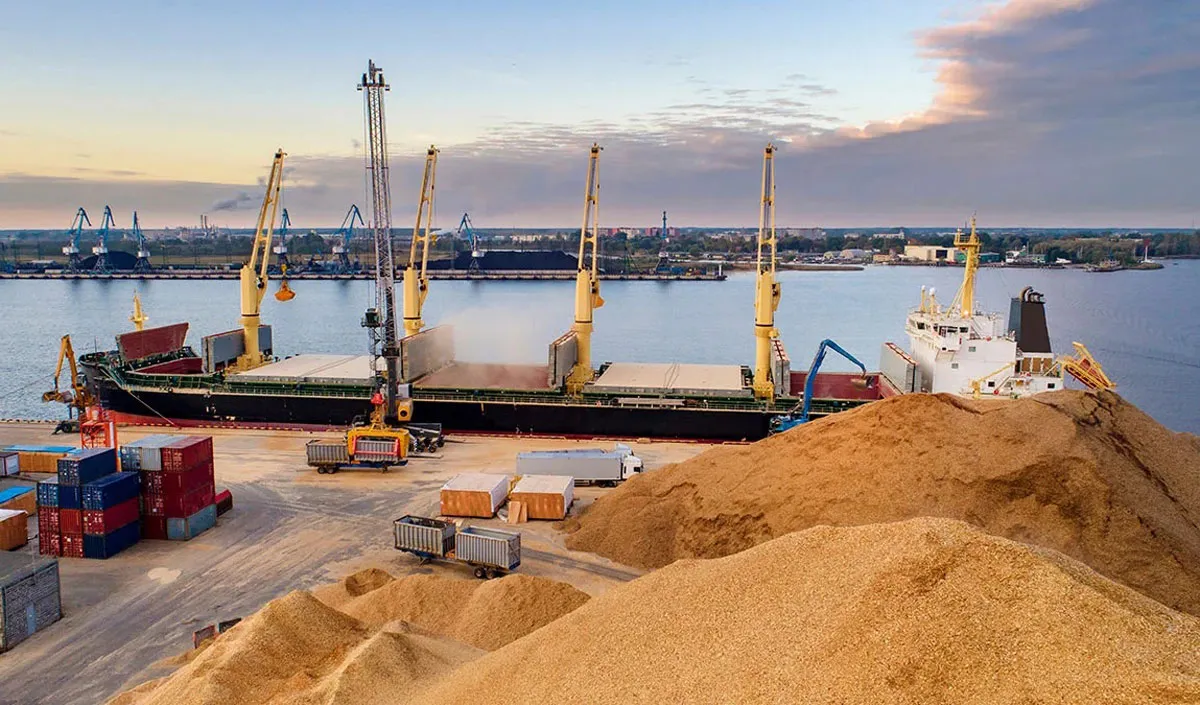
Part of the expenditures for enhanced defence and monitoring capabilities may be supported through the EU’s SAFE instrument, while Romania also highlights the strategic linkage Black Sea–Danube–Port of Constanța as a platform for investment attractiveness and for logistics supporting Ukraine’s post-war recovery.
Comment by the Institute of Danube Research
From IDR’s perspective, Romania’s approach indicates a shift from ad-hoc protective actions toward systemic Maritime Domain Awareness, which is essential not only for offshore energy installations, but also for the reliability of Black Sea–Danube logistics chains and port operations.
IDR Director Vitalii Barvinenko separately noted that:
“the development of a threat-monitoring system in the Black Sea should be accompanied by interoperability of procedures (data exchange, alert protocols, coordinated response scenarios) among the states of the region and linked to the civilian resilience of ports and port-adjacent agglomerations, including the Lower Danube segment.”

 Bulgaria
 Hungary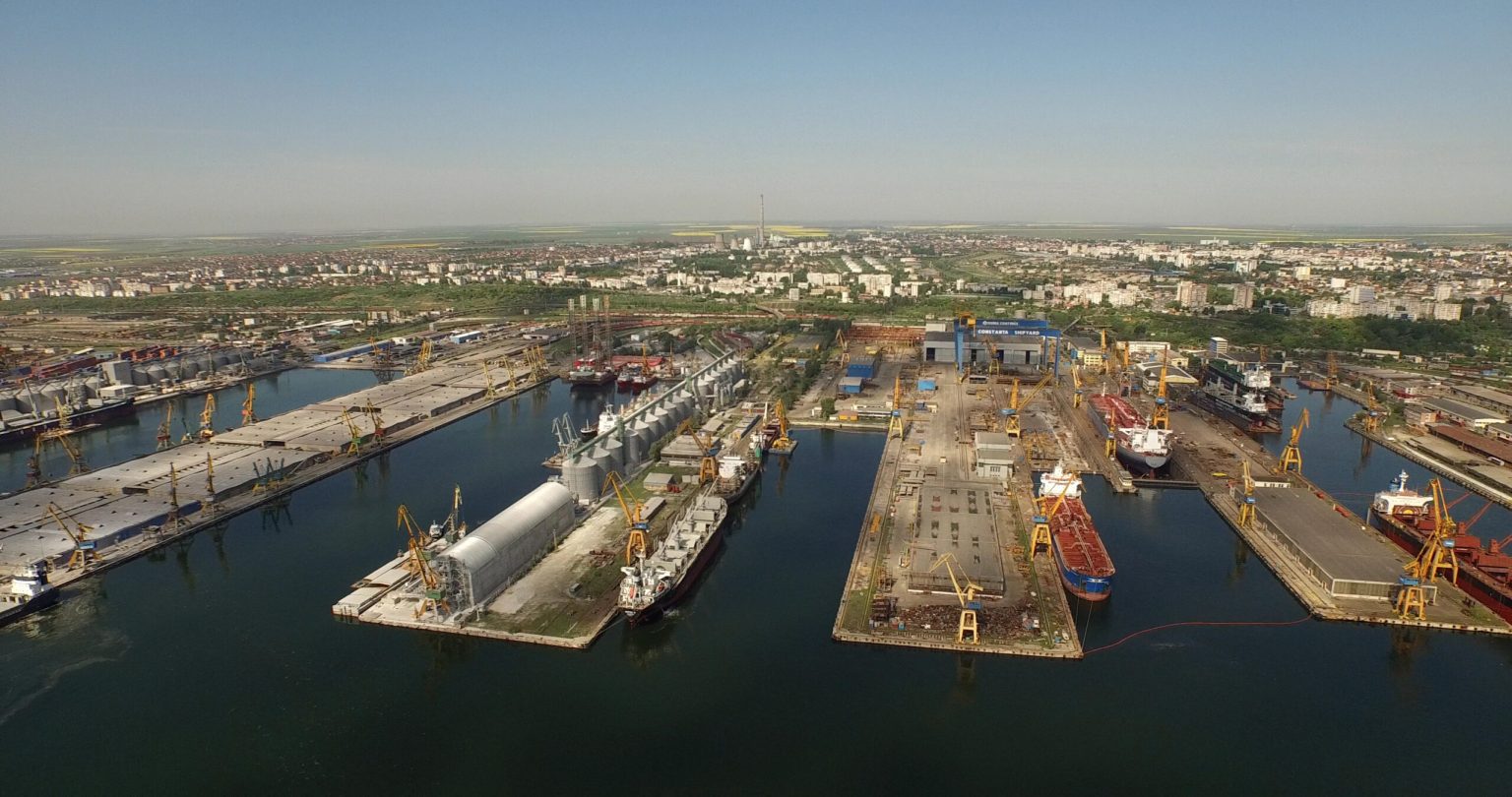

 Ukraine
 Moldova
 Serbia

 Danube