

Serbia and Ukraine Deepen Cooperation in the Field of European Integration
 Serbia
27.02.2026
Serbia
27.02.2026
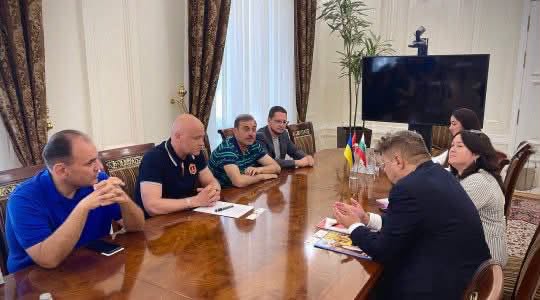
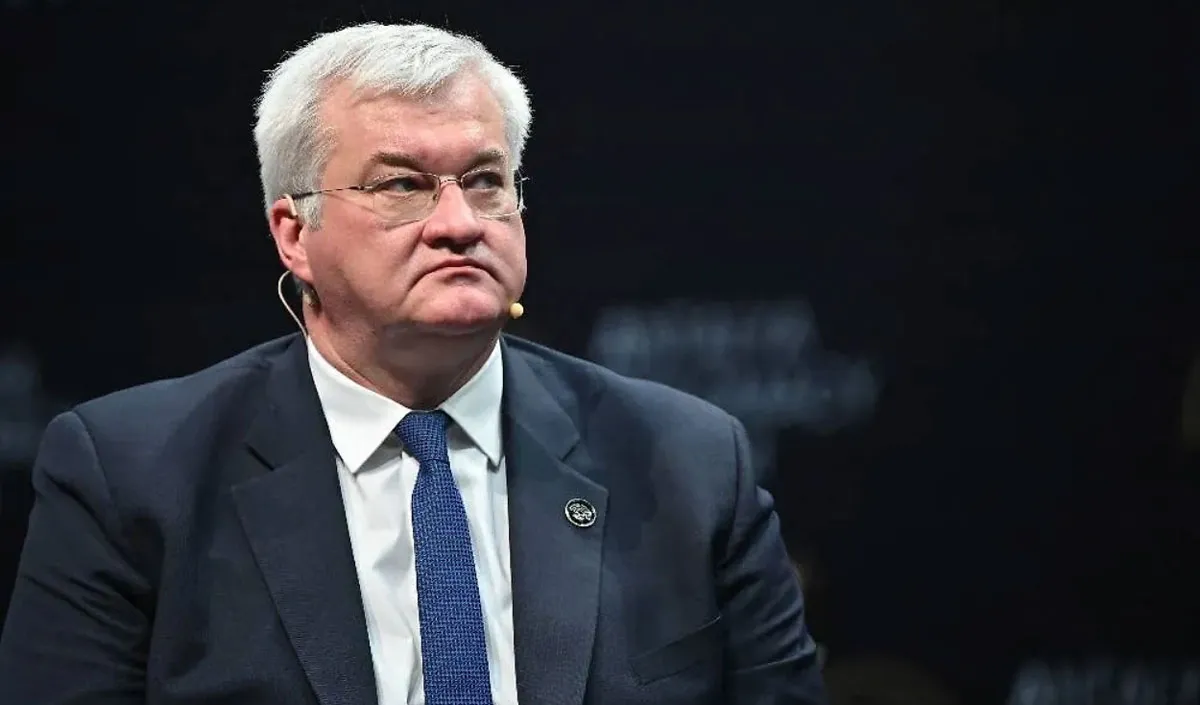
The Minister for European Integration of the Republic of Serbia, Nemanja Starović, held a meeting with the newly appointed Ambassador of Ukraine to Serbia, Oleksandr Lytvynenko, during which the parties discussed prospects for strengthening bilateral cooperation in the field of European integration and reform implementation.
The interlocutors emphasized the existing potential for enhancing institutional cooperation, particularly in the areas of legislative harmonization with EU law, development of negotiation capacities, and strengthening public administration systems. The Serbian side reaffirmed its firm commitment to EU membership and expressed readiness to exchange experience, provide expert support, and intensify cooperation with Ukrainian partners.
Particular attention was paid to the prospective signing of a Memorandum of Understanding in the field of European integration. Such a document is expected to institutionalize bilateral cooperation, formalize dialogue mechanisms, and systematize joint initiatives. It would create a structured framework for regular consultations, coordination of positions vis-à-vis EU institutions, and the exchange of best practices related to the implementation of the EU acquis.
Commentary by the Institute of Danube Studies
The Institute of Danube Studies considers this meeting an important signal of emerging horizontal cooperation between EU candidate and aspiring candidate countries. In the current geopolitical context, European integration increasingly acquires a macro-regional dimension, where coordination of reforms, exchange of governance models, and synchronization of sectoral policies contribute to strengthening national resilience.
For Ukraine, enhanced cooperation with Serbia offers practical value in areas such as negotiating chapter alignment, management of pre-accession assistance instruments, and institutional modernization. Serbia’s accumulated experience in the EU accession process represents a relevant source of applied knowledge for Ukrainian public authorities.
In a broader South-East European perspective, intensified Ukrainian–Serbian dialogue on European integration may contribute to building a regional support network for reforms, consistent with the EU principles of solidarity, subsidiarity, and multi-level governance. The anticipated Memorandum and continued structured engagement thus represent elements of a strategic integration architecture aimed at policy convergence, administrative capacity building, and reinforced positioning within the European political space.

 Bulgaria
 Hungary
 Romania
 Ukraine
 Moldova

 Danube