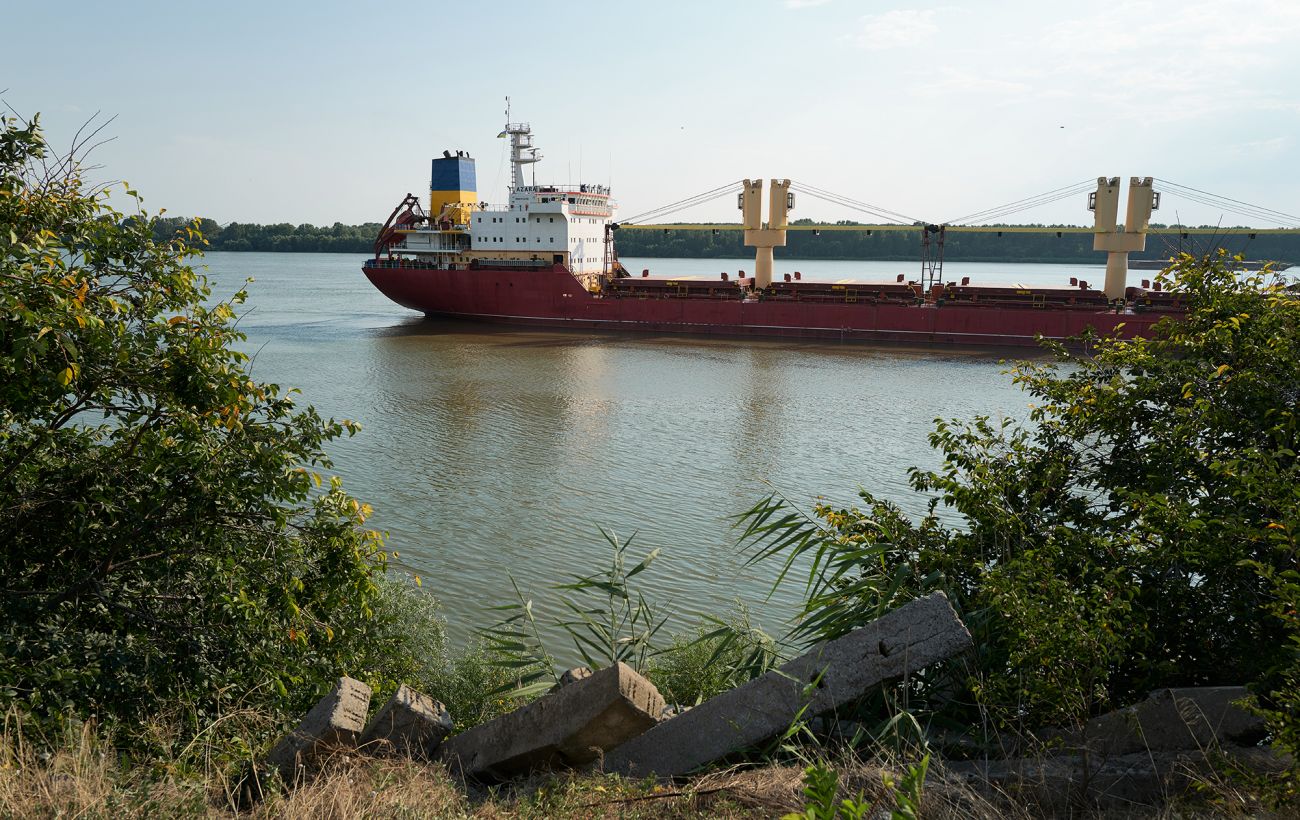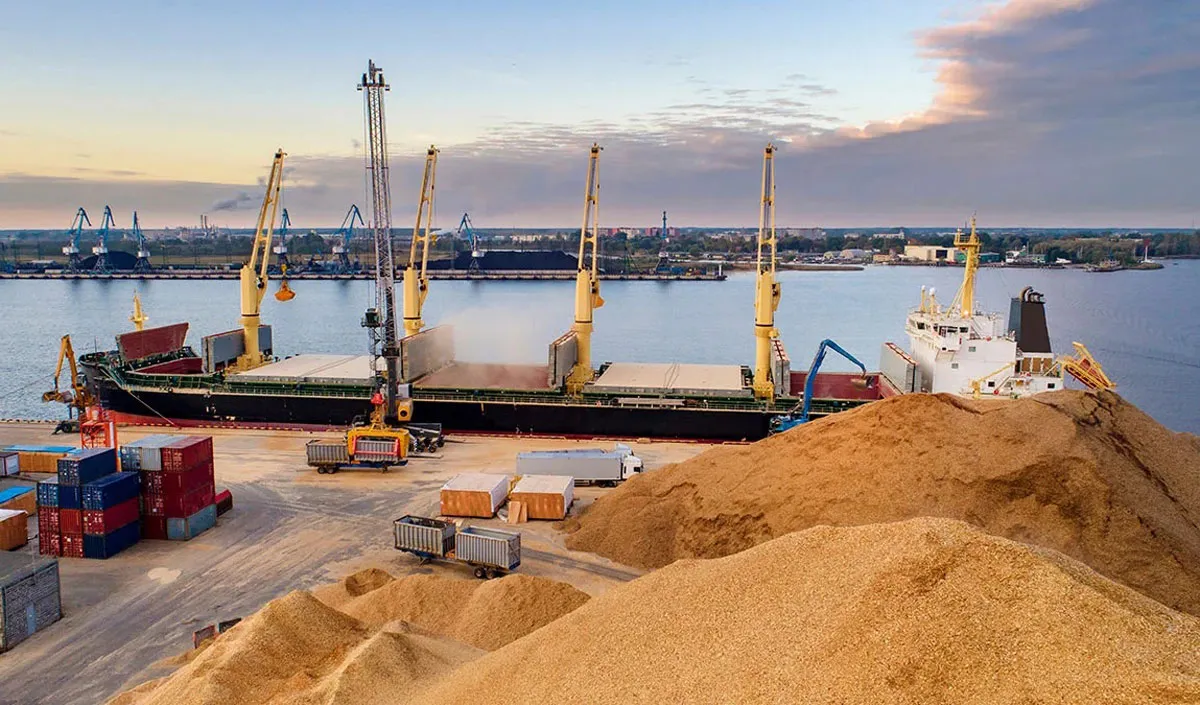


The Black Sea–Aegean Corridor is a tool for territorial development
 Romania
03.02.2026
Romania
03.02.2026
At the first meeting of the Cooperation Platform between Bulgaria, Romania and Greece, held in Sofia, Regional Development Minister Ivan Ivanov framed the Black Sea–Aegean transport corridor not merely as a connectivity project, but as an instrument for balanced territorial development and reducing regional disparities—especially in border and less-developed areas.
The forum aims to accelerate strategic infrastructure projects with support from the European Commission and to shift cooperation from political intent to implementation by coordinating planning, permitting, and financing pipelines across the three countries.
Road corridors and Danube crossings. Ivanov highlighted the “Black Sea motorway” as a priority to close the missing high-speed link between the ports of Varna and Burgas, strengthening logistics and connections to Romania via Danube bridges. In parallel, Bulgaria is working on modernising existing crossings over the Danube River to improve interoperability with the Romanian side.
Connectivity to Greece. The Minister emphasised north–south axes linking Bulgaria to Greece, including routes via Ruse and via Vidin, and pointed to the opening of the Rudozem–Xanthi border crossing as a recent operational step; the next target is a new crossing between Gorna Arda (BG) and Paranesti (GR).
Economic zones and logistics hubs. Ivanov stressed that the corridor can anchor new industrial zones and logistics centres, which Bulgaria intends to connect to the core network using EU cohesion-policy instruments—seeking not only faster transit, but locally retained value added and jobs.
IDR comment
From a territorial-development perspective, the corridor’s success should be evaluated not only by kilometres of roads or bridges delivered, but by measurable structural effects: reduced peripherality of border regions, increased investment intensity, emergence of logistics/industrial clusters, and improved accessibility of services. For Ukraine, the initiative is relevant as part of the wider Danube–Black Sea system: it may reshape regional flows and strengthen the institutional culture of cross-border project delivery—particularly where interoperability and coordinated permitting are decisive.
Expanded statement by Vitaliy BARVINENKO, Director of the Institute of Danube Research, regarding the need for early integration of the Ukrainian dimension (especially the Danube borderland) into corridor governance:
“It is advisable to connect the Ukrainian dimension—first and foremost the Danube borderland—at an early stage to discussions on interoperability, safety, and coordinated investment packages, so that new regional links strengthen the resilience of the entire Danube–Black Sea space.”

 Bulgaria
 Hungary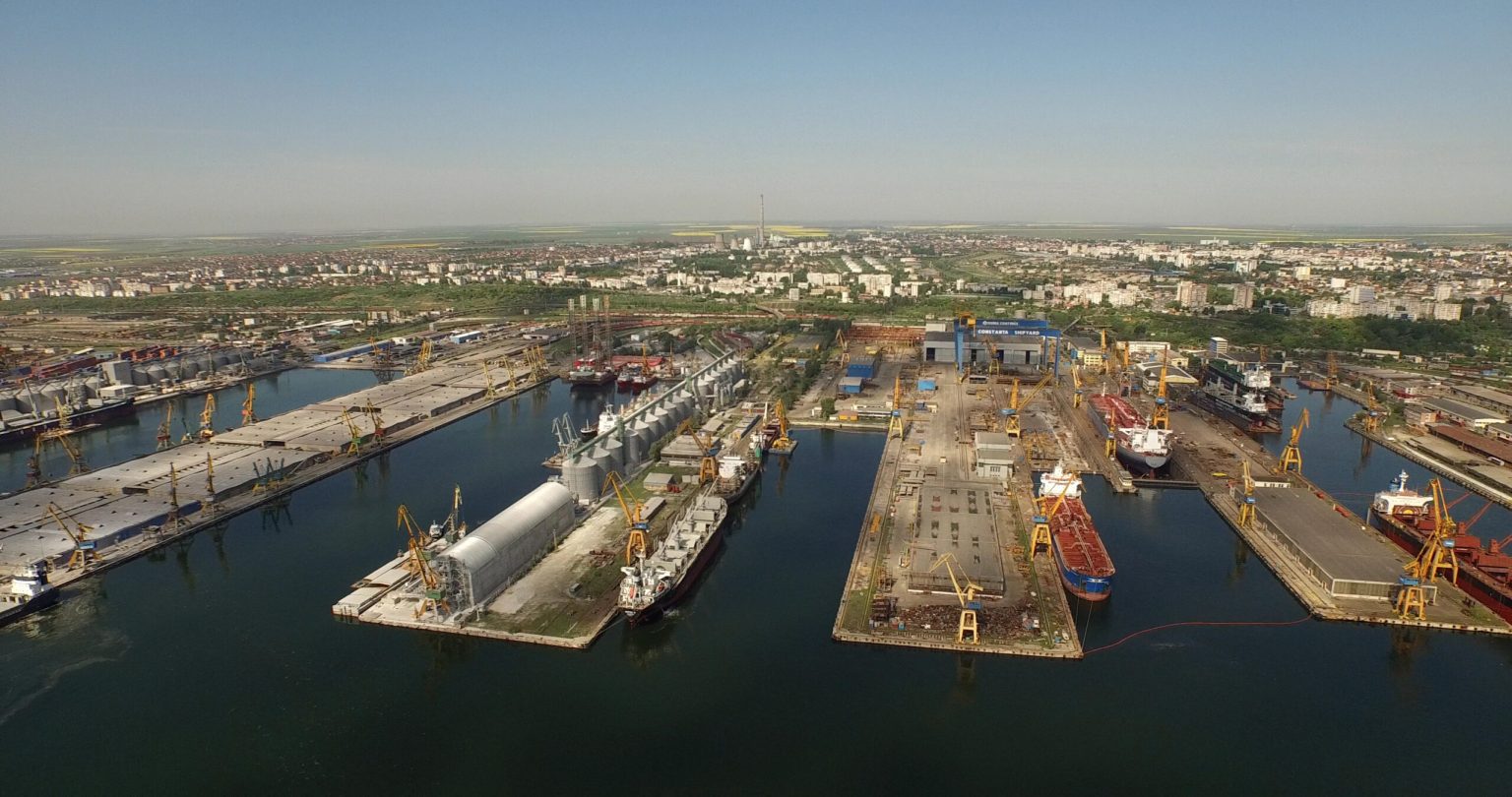

 Ukraine
 Moldova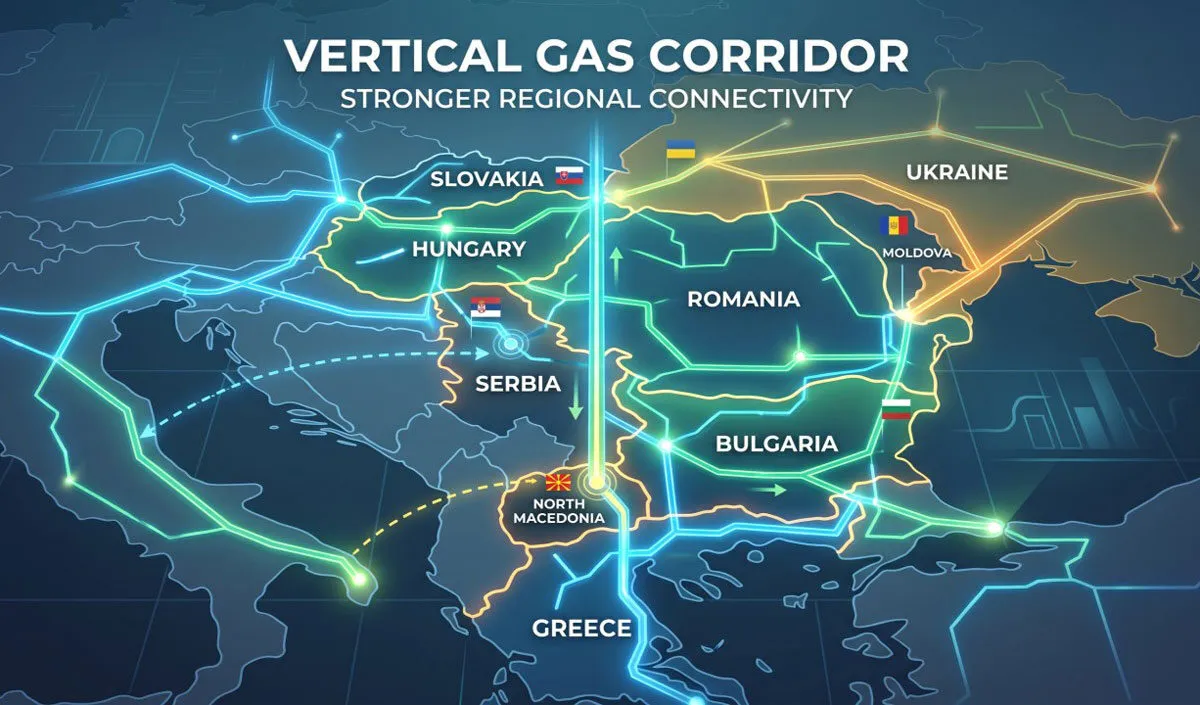
 Serbia

 Danube