

Ungheni River Port may be exempted from budget profit transfers for 2025 to support infrastructure investment
 Moldova
08.04.2026
Moldova
08.04.2026
The founder of the state enterprise Portul Fluvial Ungheni — the Public Property Agency of the Republic of Moldova — is drafting a government decision that would exempt the enterprise from transferring part of its net profit for 2025 to the state budget.
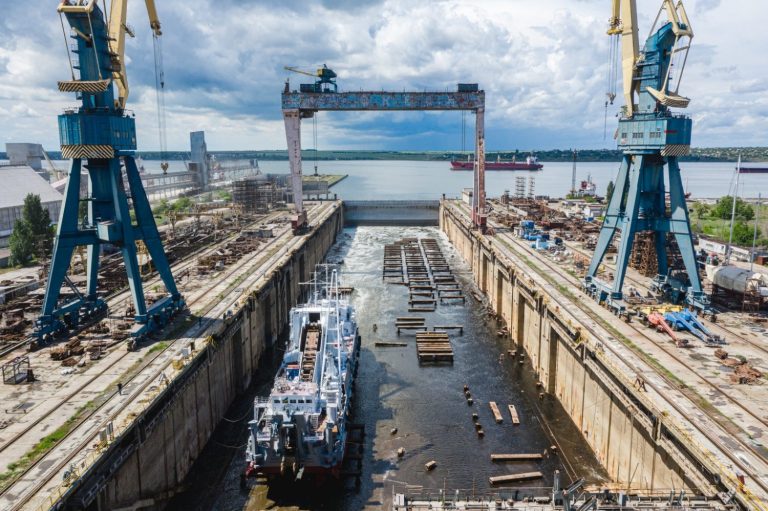
According to the initiative, the purpose of this measure is to provide financial support to the enterprise by preserving the resources necessary for investment in port infrastructure. The stated objective is to maintain and develop the port’s operational capacity, while also improving the safety and efficiency of its activities.
According to the enterprise’s 2025 financial statements, the net profit of Ungheni River Port amounted to approximately 29.6 million lei, which is nearly 8 million lei less than in the previous period. The company’s equity is estimated at around 149.3 million lei, while total assets exceed 156 million lei.
At the same time, the auditor’s opinion contains qualifications. In particular, attention is drawn to certain doubtful receivables, as well as to the enterprise’s involvement in litigation.
Ungheni River Port manages the operations of the Giurgiulesti passenger and cargo port, as well as the Onitcani and Sănătăuca piers on the Dniester River and the Semeni pier on the Prut River.
Comment by the Institute of Danube Research
The possible exemption of the port from budget profit transfers should be viewed as a targeted reinvestment instrument for Moldova’s strategic river infrastructure. At a time when the Danube–Prut logistics node is gaining importance, allowing the operator to retain part of its earnings could strengthen technical readiness, support quay and facility modernization, and enhance the overall resilience of the port system. At the same time, the effectiveness of such an approach will directly depend on transparency in the use of funds, the quality of corporate governance, and the ability to reduce the risks already highlighted by the audit. For the Lower Danube region, this is also a notable example of how state policy can combine fiscal tools with infrastructure modernization in the logic of long-term transport security.

 Ukraine
 Danube

 Bulgaria

 Romania


 Serbia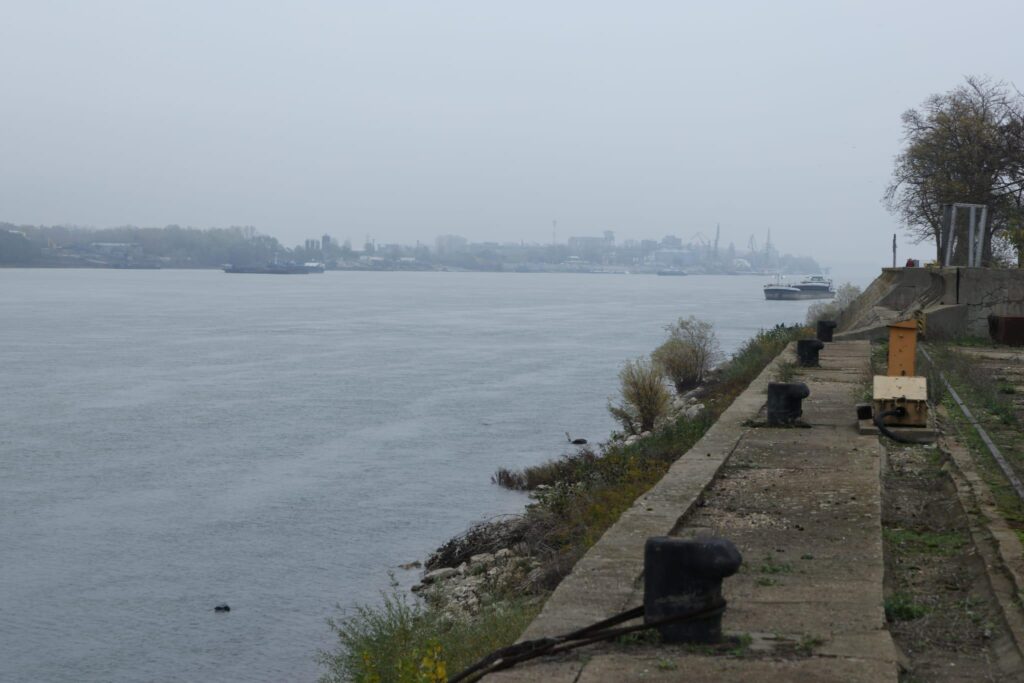
 Hungary


 Germany