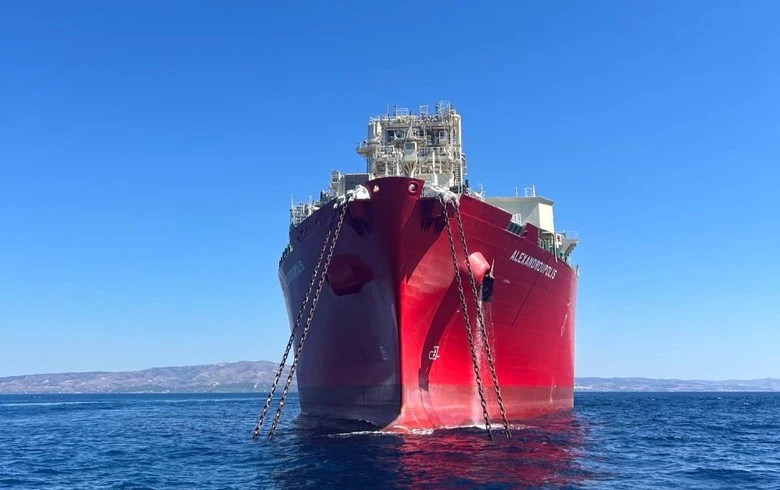


70 Years of the Bulgarian–Romanian Joint Commission for the Maintenance of the Danube Navigation Route
 Bulgaria
24.11.2025
Bulgaria
24.11.2025
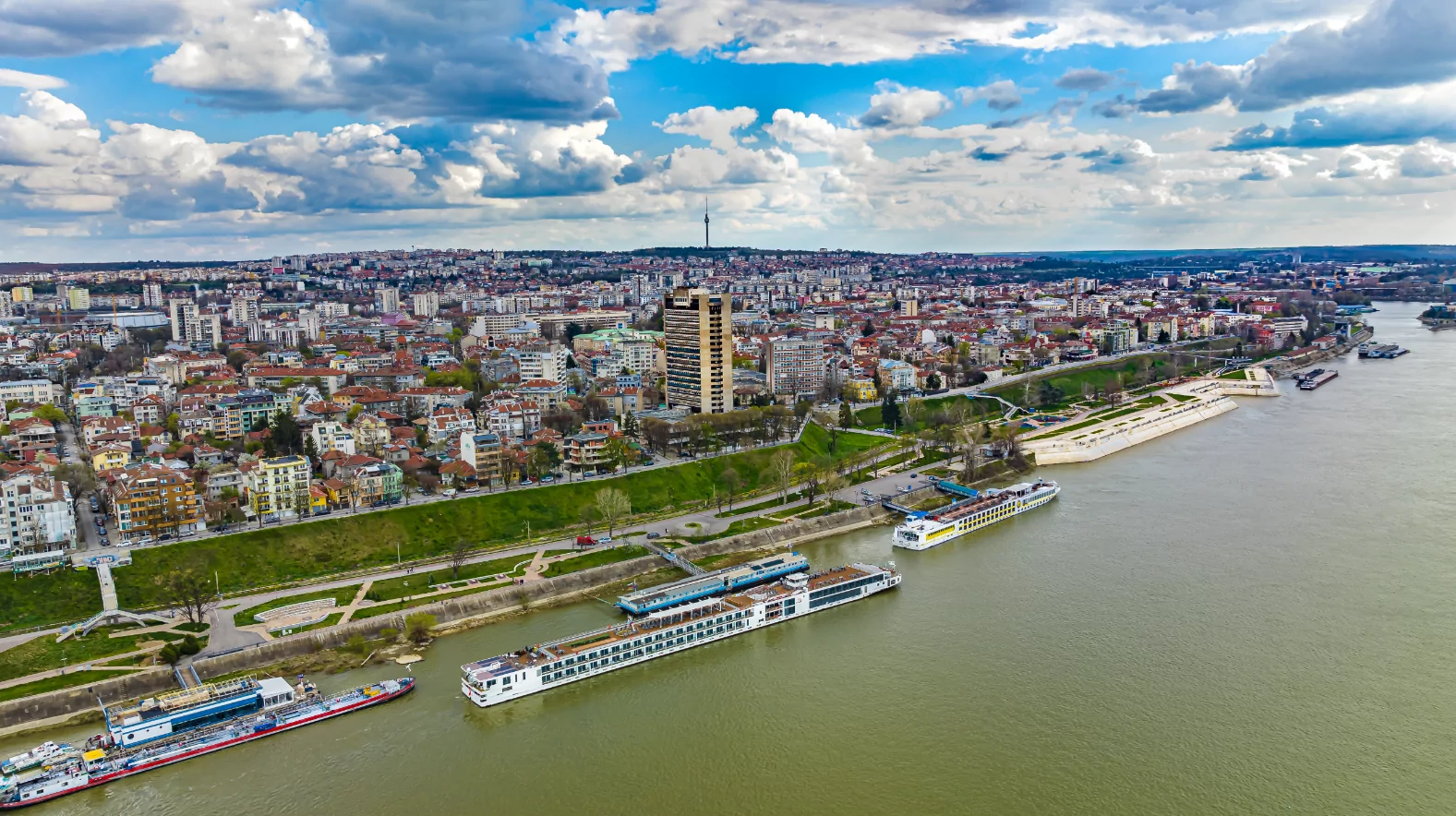
The Bulgarian Executive Agency for Exploration and Maintenance of the Danube River and the Romanian Lower Danube Administration in Galați officially celebrated the 70th anniversary of the Agreement between Bulgaria and Romania on maintaining and improving the navigation channel along their shared section of the Danube. This Agreement established the Joint Bulgarian–Romanian Commission, which since 1955 has coordinated efforts to ensure safe and efficient navigation on one of Europe’s most important transport corridors.
75th Jubilee Session.
The anniversary session was attended by representatives of:
-
both national river administrations,
-
the transport ministries of Bulgaria and Romania,
-
the Romanian Ministry of Regional Development.
Participants emphasized the lasting importance of coordinated bilateral efforts to secure high-quality navigation conditions along the Danube.
Seven Decades of Cooperation.
Over the past 70 years, the Joint Commission has:
-
removed navigation obstacles,
-
improved channel marking and signaling,
-
enhanced hydrographic monitoring,
-
introduced faster operational communication between Ruse and Giurgiu in 1957, maintained to this day.
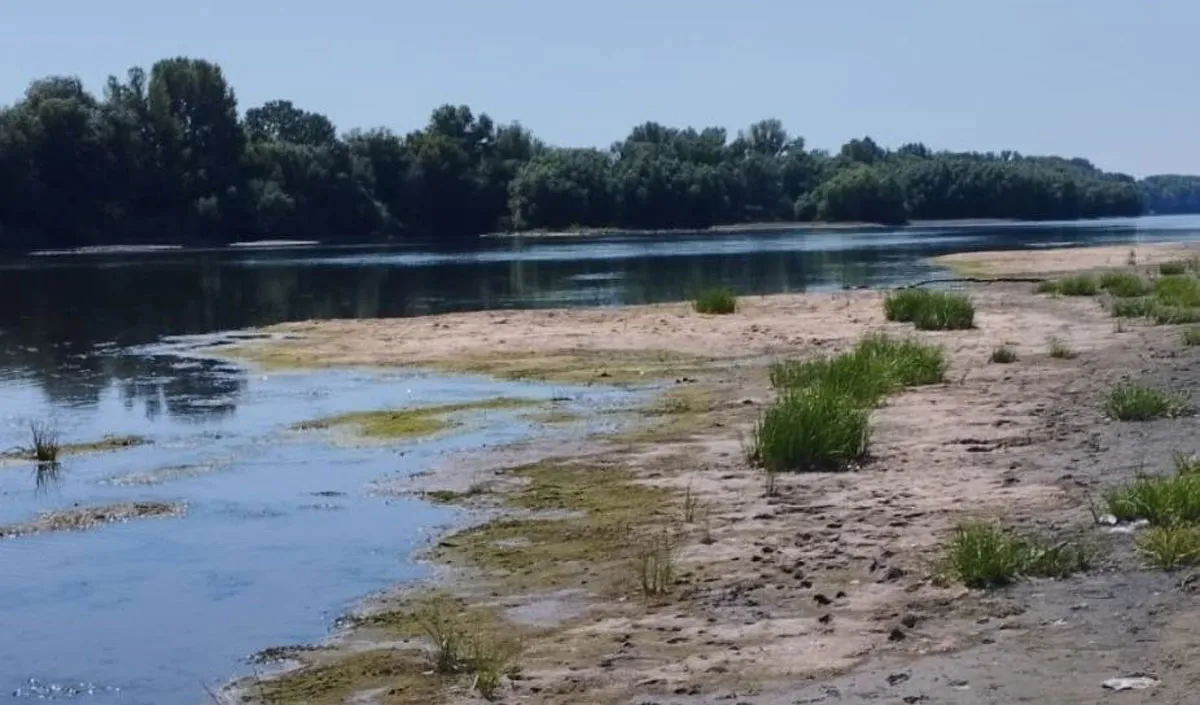
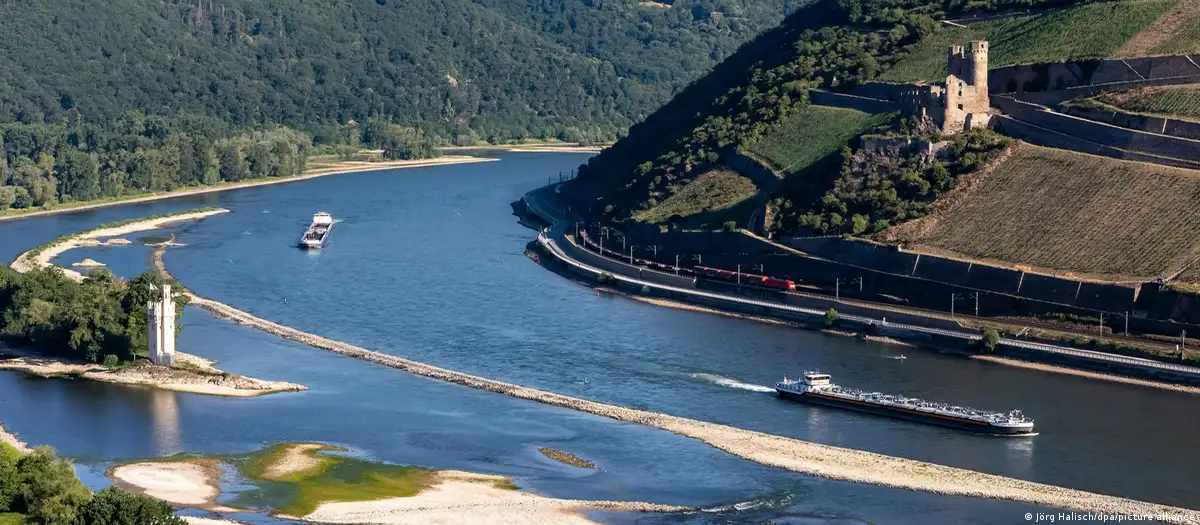
Hydrological data show significant shifts in the Danube’s seasonal patterns—weaker spring high waters and lower autumn levels, reflecting the current long-term trend of dry years.
Today, Bulgarian and Romanian river authorities continue implementing numerous joint projects targeting navigation safety, fairway maintenance, and modernization of the Danube’s critical infrastructure.
IDR Commentary
The 70-year anniversary of the Joint Commission is an important reminder of how consistent institutional cooperation can ensure stable navigation management across decades of climatic, political, and operational changes.
For Ukraine, this experience is highly relevant:
-
in developing bilateral river commissions (with Romania, Moldova, Slovakia),
-
in strengthening governance on the Ukrainian Danube,
-
in aligning with European inland waterway management standards,
-
in addressing low-water challenges and climate adaptation through coordinated hydrotechnical planning.
The Bulgarian–Romanian model demonstrates that shared data, synchronized operations and long-term coordination remain the pillars of safe and resilient Danube navigation.

 Ukraine
 Danube
 Moldova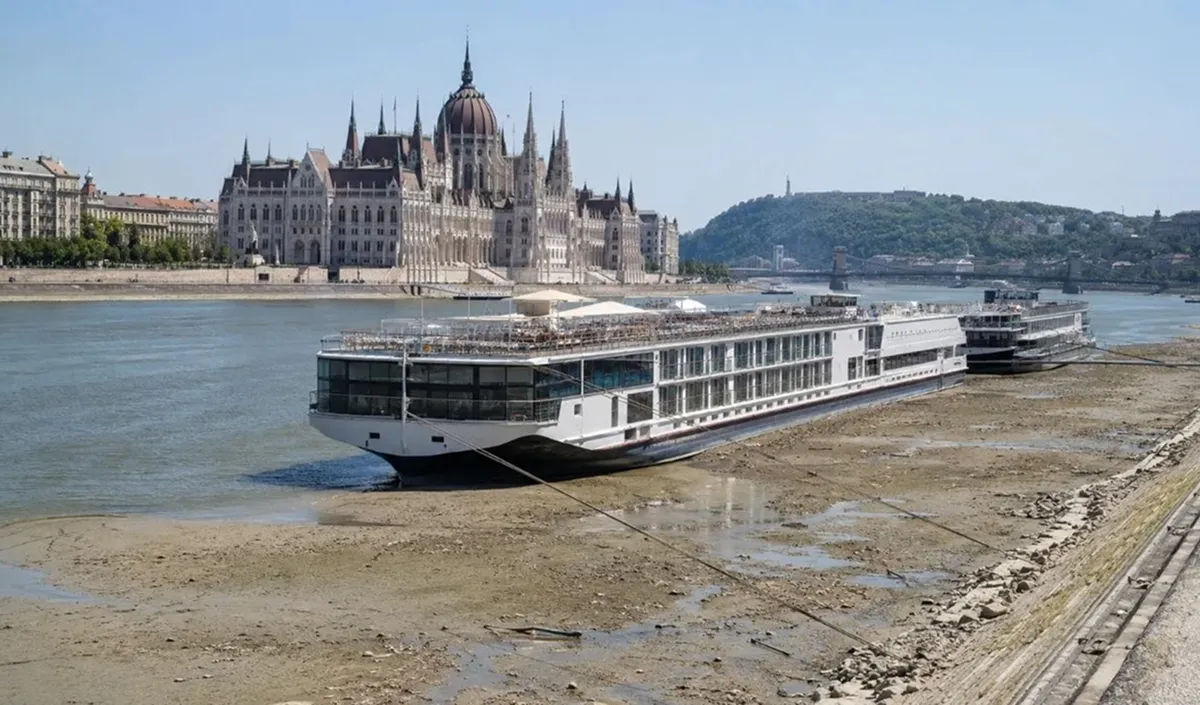
 Romania

 Serbia
 Hungary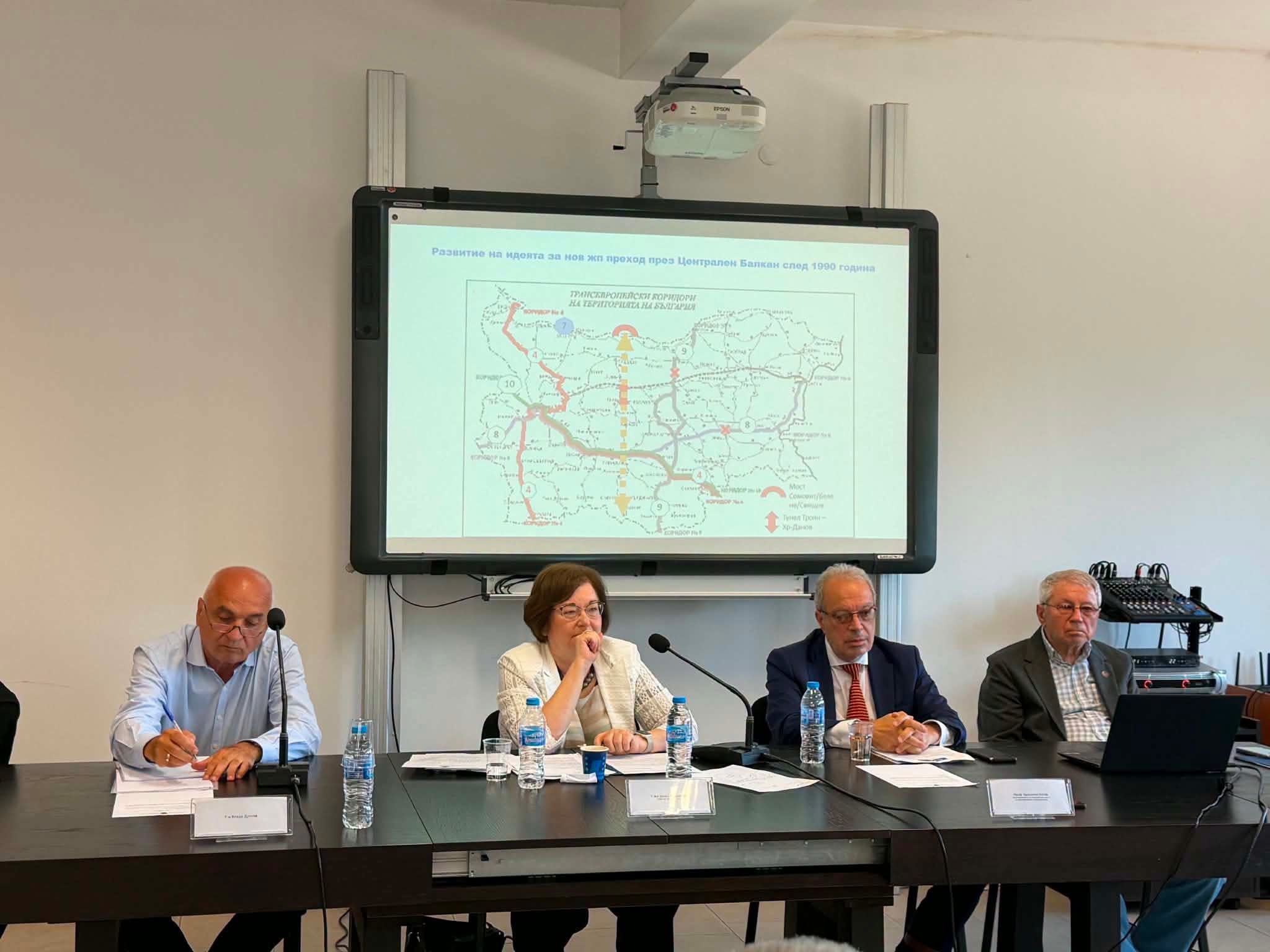
 Germany