

A Multimodal Terminal to Be Built at the Port of Ruse on the Danube
 Bulgaria
07.01.2026
Bulgaria
07.01.2026
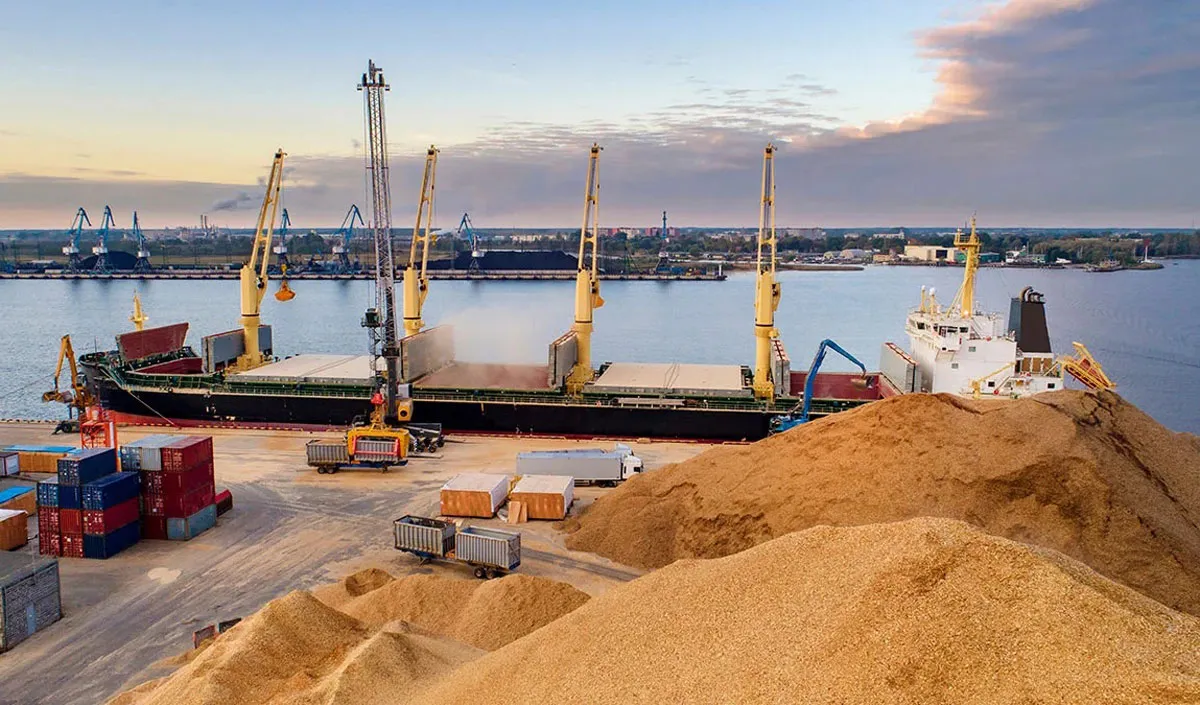
A new multimodal (intermodal) terminal will be developed at the Port of Ruse on the Danube. Bulgaria’s National Railway Infrastructure Company (NRIC) has announced a tender worth approximately €27 million for technical design and construction, according to RailFreight.
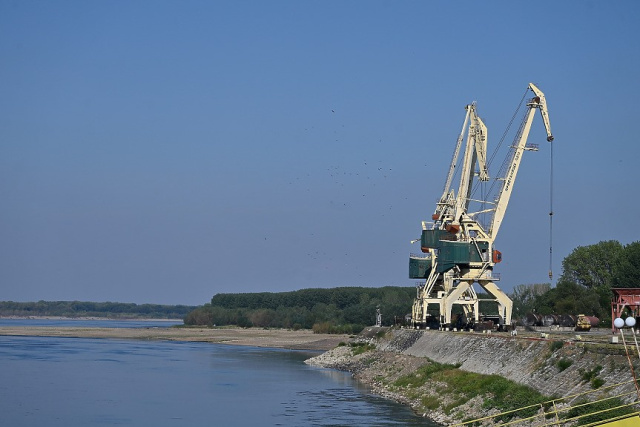
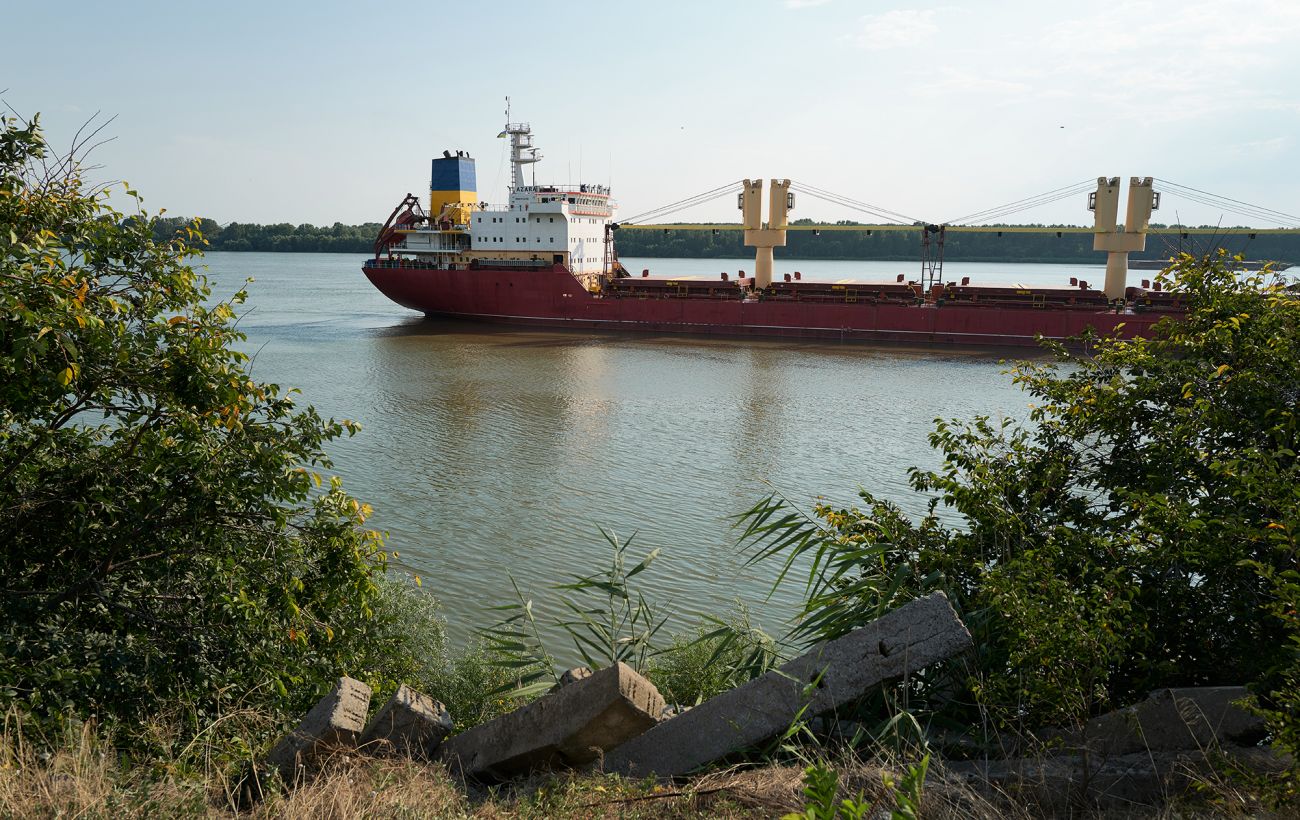
Ruse is the largest Bulgarian port on the Danube, handling both river and maritime traffic. Its eastern terminal already has a direct rail connection to the national railway network, providing a strong basis for multimodal logistics development.
The project includes the design and construction of a cargo handling terminal as well as a new terminal railway station. The total implementation period is 24 months, including around six months for technical design and 18 months for construction works.
The location is strategically attractive due to its proximity to Romania and its potential role as a cross-border logistics hub. The terminal will integrate three modes of transport — rail, road and inland waterway, in line with EU priorities on sustainable and efficient freight corridors.
The Ruse terminal forms part of the large-scale Sea2Sea initiative, aimed at creating a joint rail corridor between Greece and Bulgaria. The project envisages a rail link between the Greek ports of Thessaloniki, Kavala and Alexandroupolis, and the Bulgarian ports of Burgas, Varna and Ruse. Greece is currently investing around €3 billion in the rail infrastructure required to connect to Bulgaria. The logistics potential of Sea2Sea has also been highlighted by ERGOSE, a subsidiary of Hellenic Railways, noting its capacity to attract container flows that traditionally transit the Bosphorus.
IDR analytical comment.
The construction of a multimodal terminal in Ruse should be viewed as a regional infrastructure milestone rather than a purely national project. By integrating a Danube port into the Sea2Sea corridor, Bulgaria strengthens alternative freight routes in South-Eastern Europe, reduces dependence on the congested and geopolitically sensitive Bosphorus, and reinforces the Danube’s role as a core European transport artery. For Ukraine and other Lower Danube states, this development signals both increasing competition among logistics corridors and new opportunities for deeper integration into TEN-T and Black Sea–Danube connectivity frameworks.


 Hungary
 Romania
 Ukraine
 Moldova
 Serbia

 Danube