

Bulgaria and North Macedonia to Sign Agreement on the Construction of a Cross-Border Railway Tunnel
 Bulgaria
04.11.2025
Bulgaria
04.11.2025
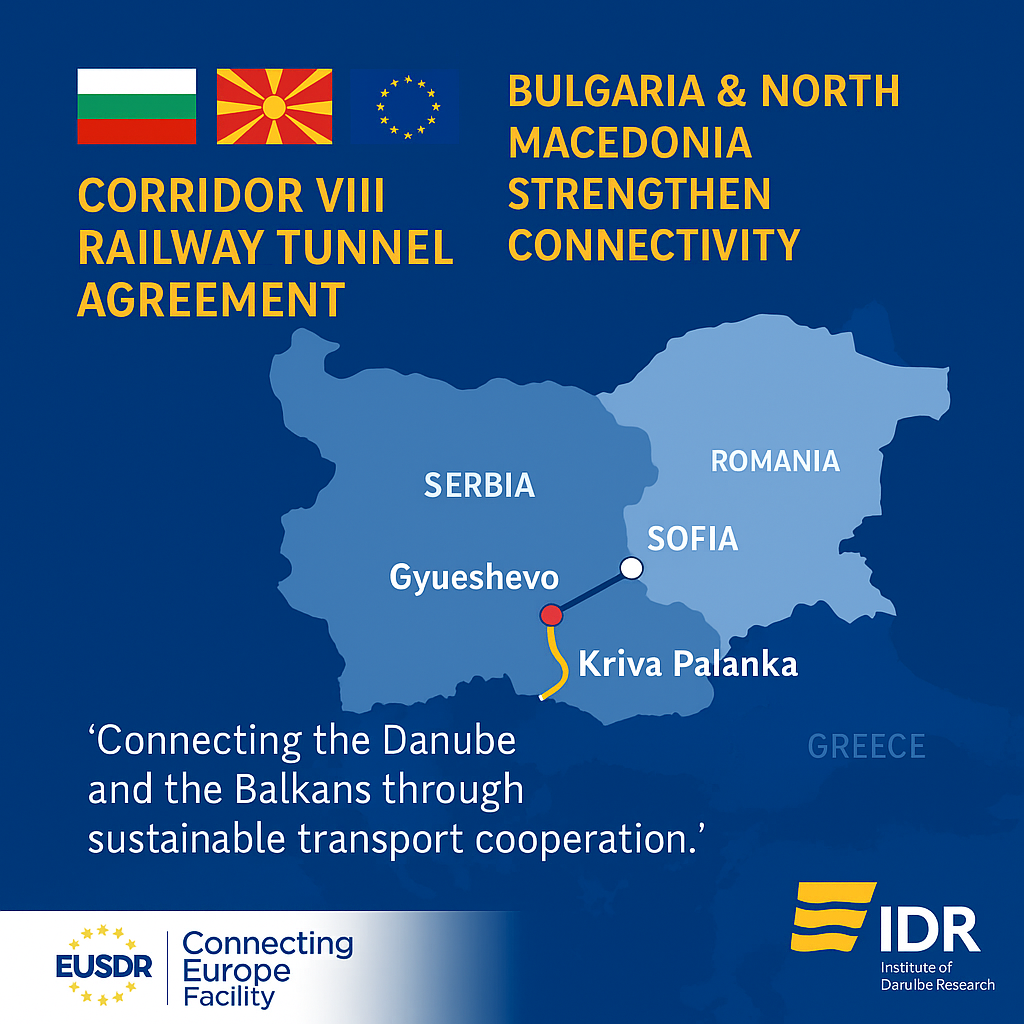
Deputy Prime Minister and Minister of Transport and Communications of Bulgaria Grozdan Karadjov and Deputy Prime Minister and Minister of Transport of the Republic of North Macedonia Aleksandar Nikoloski will sign an agreement on the preparation, construction, and operation of a cross-border railway tunnel between the two countries. The signing ceremony will take place on Thursday, 6 November 2025, at 11:45 a.m., at Gyueshevo railway station, the Bulgarian Ministry of Transport announced.
The event will be attended by representatives of the European Commission, EU and NATO diplomatic missions in Bulgaria, the European Investment Bank (EIB), the European Bank for Reconstruction and Development (EBRD), and the World Bank.
The tunnel project forms part of the Western Balkans – Eastern Mediterranean transport corridor and the Pan-European Corridor VIII, providing a vital rail connection between Bulgaria and North Macedonia and improving transport accessibility between the Black Sea and the Adriatic Sea.
Currently, there is no direct railway connection between the two countries. The planned tunnel will have a total length of approximately 2.4 km, half of which will lie on Bulgarian territory. Its construction is expected to boost regional economic development, strengthen EU–NATO infrastructure connectivity, and improve multimodal transport integration in Southeast Europe.
Comment by the Institute of Danube Research:
The signing of this Bulgarian–North Macedonian agreement marks a strategic milestone in strengthening regional connectivity across Southeast Europe, with significant implications for the Danube–Black Sea transport area.
The new cross-border railway tunnel will become a critical link between the Adriatic, Aegean, and Black Seas, connecting the TEN-T corridors and the Western Balkans–Eastern Mediterranean route. For Ukraine, this development represents an opportunity to expand its logistical access toward the Balkans and Southeastern Europe, as well as to integrate more deeply into the broader European transport network connecting the Baltic, Danube, and Mediterranean regions.
The Institute of Danube Research notes that such infrastructure initiatives align with the strategic objectives of the EU’s Connecting Europe Facility (CEF) and contribute to the creation of a cohesive transport space from the Black Sea to Central Europe, strengthening cooperation, security, and sustainability across the wider Danube region.

 Ukraine
 Danube

 Moldova
 Romania
 Serbia
 Hungary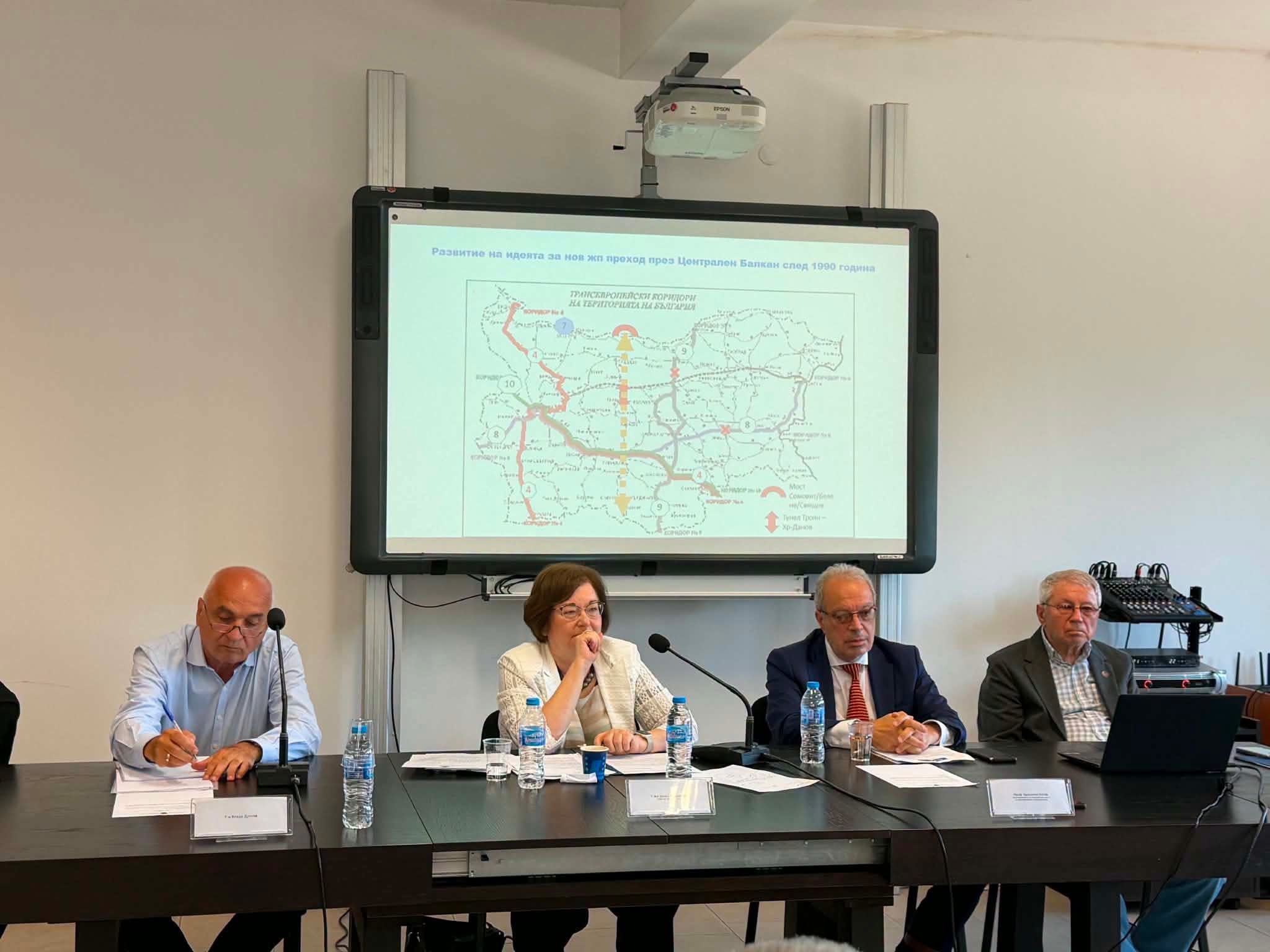
 Germany