


Bulgaria to Chair the EU Strategy for the Danube Region
 Danube
04.11.2025
Danube
04.11.2025
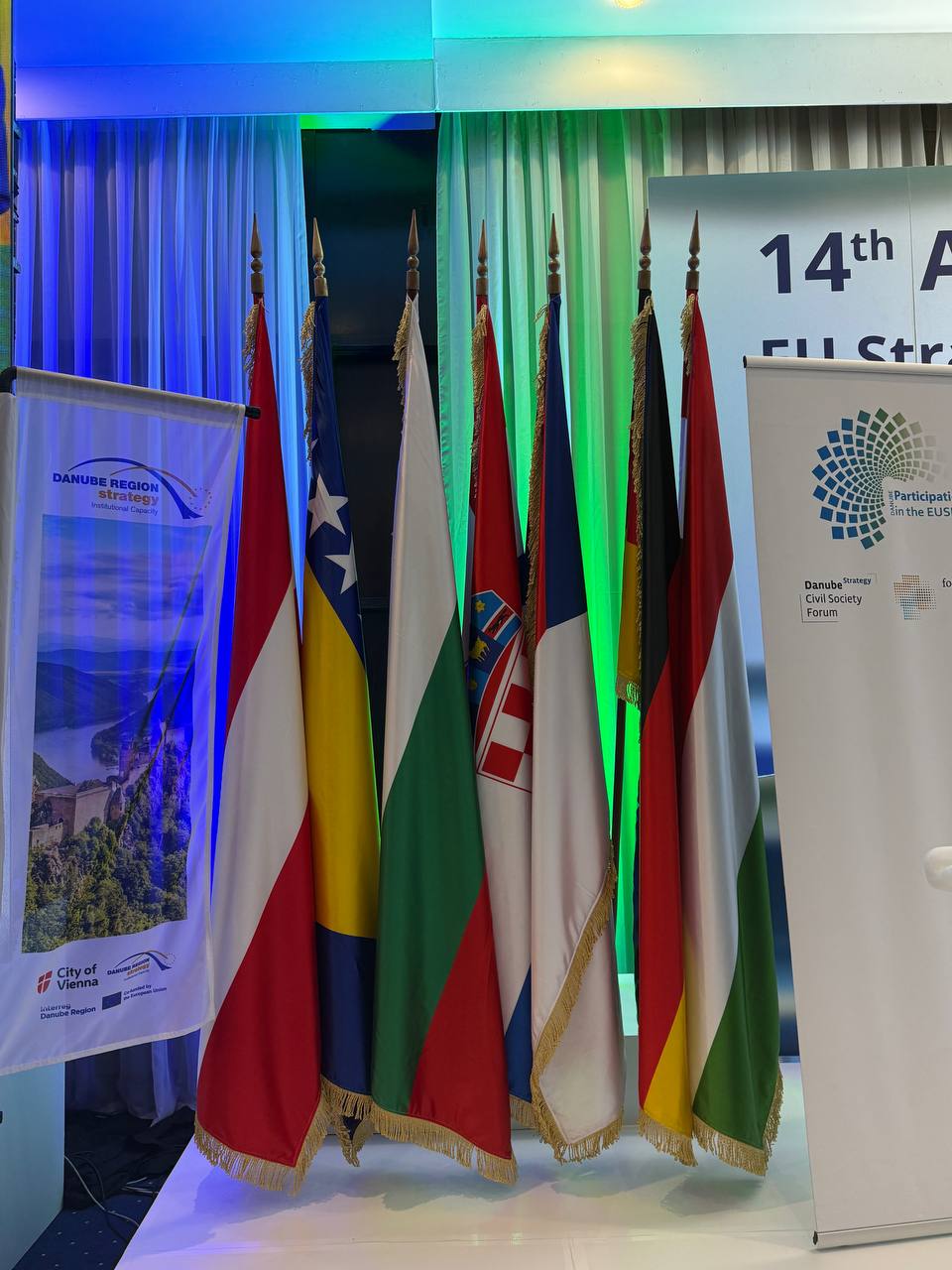
Bulgaria officially takes over the Presidency of the EU Strategy for the Danube Region (EUSDR) from Bosnia and Herzegovina during the 14th Annual Forum, held in Sarajevo on 4–6 November. The announcement was made by the Ministry of Regional Development and Public Works of Bulgaria.
Minister Ivan Ivanov emphasized that the presidency will mark a stage of deeper regional cooperation, development of infrastructure links, the green transition, and joint environmental initiatives across the Danube Basin.
Bulgaria will chair the Strategy from 1 January to 31 December 2026, for the second time after 2018. Launched in 2011, the Strategy brings together 14 countries and over 100 million people, including nine EU Member States (Austria, Germany, Czech Republic, Slovakia, Slovenia, Hungary, Croatia, Bulgaria, and Romania) and five partner countries (Serbia, Bosnia and Herzegovina, Montenegro, Moldova, and Ukraine).
EUSDR is built upon four key pillars:
- Connectivity,
- Environment,
- Prosperity,
- Resilience,
implemented through 11 priority areas.
Comment by the Institute of Danube Research:
Bulgaria’s presidency holds strategic significance for Ukraine, as the country serves as a bridge between the EU and the Black Sea region. The Bulgarian chairmanship is expected to strengthen Danube–Black Sea transport links, cross-border cooperation in logistics, energy, and environmental protection, and the integration of Ukraine into the European Danube framework.
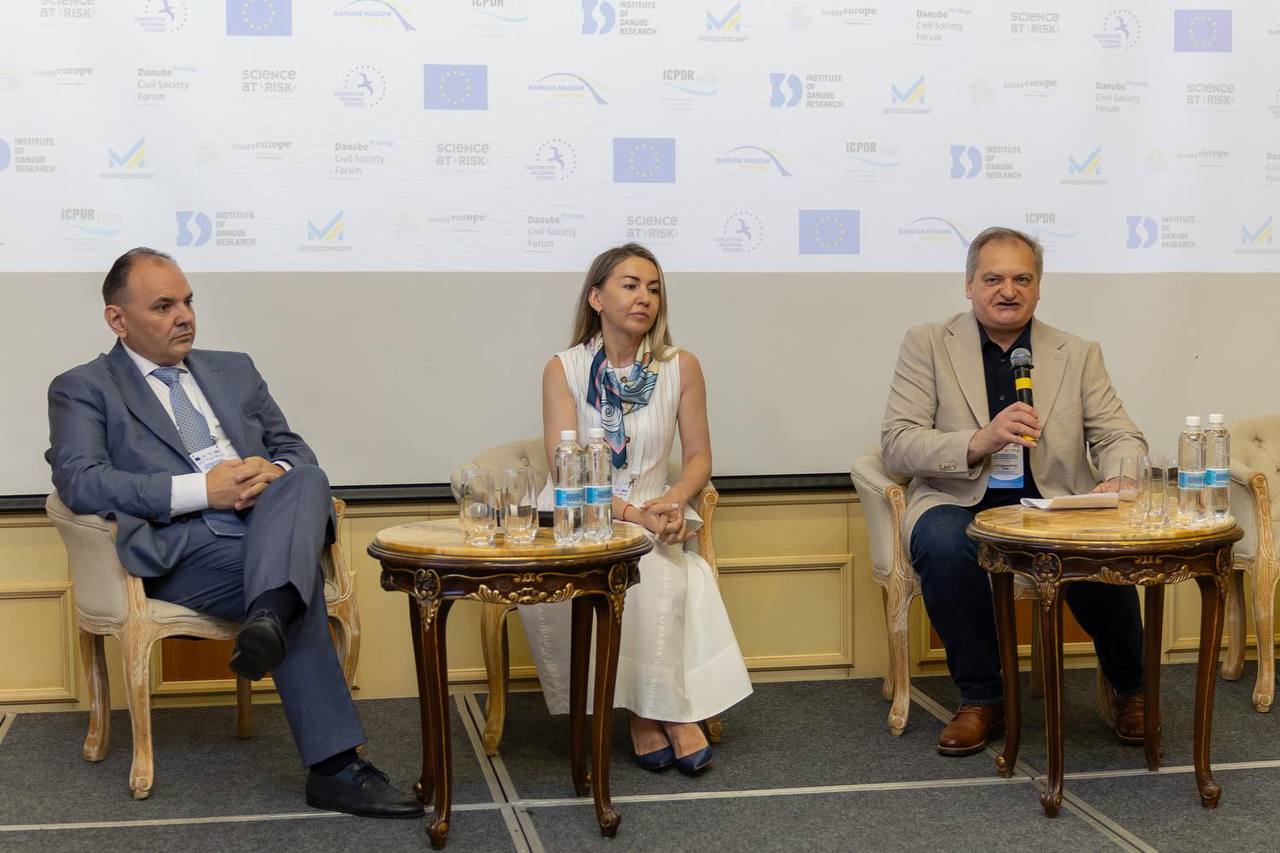
The Director of the Institute of Danube Research, Vitaliy Barvinenko, is taking part in the Forum’s sessions, representing the Ukrainian research community in discussions on Ukraine’s engagement in EUSDR, INTERREG, and sustainable development projects.
The Institute emphasizes the need for active participation of Ukrainian regions, communities, and institutions in implementing the Strategy’s priorities — particularly in light of Ukraine’s upcoming chairmanship of the ICPDR in 2026.

 Ukraine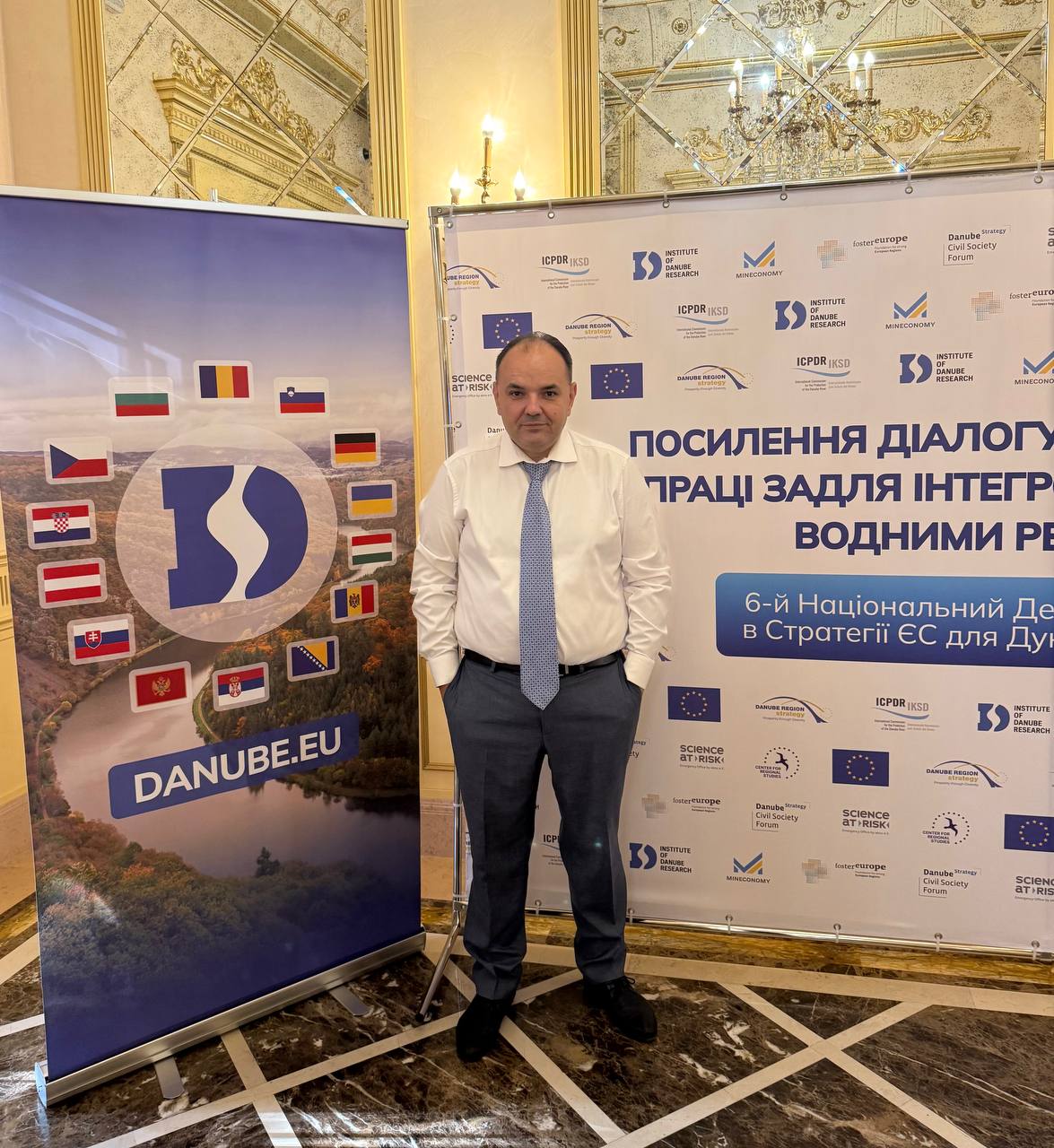


 Bulgaria
 Moldova
 Romania


 Serbia
 Hungary


 Germany